
Personalizing Social Media Content at Scale with AI: Ultimate Guide
Personalizing social media content at scale with AI is a game-changer for businesses looking to connect with their audience on a deeper level. By leveraging artificial intelligence, you can tailor your content to match the preferences and behaviors of individual users, ensuring that each person encounters messages that resonate with them personally.
Several cutting-edge tools are designed specifically for AI-driven content personalization. Tools like ContentGenius and SocialSculpt analyze user data to create bespoke content strategies. These platforms not only suggest personalized content but also automate its distribution, maximizing engagement.
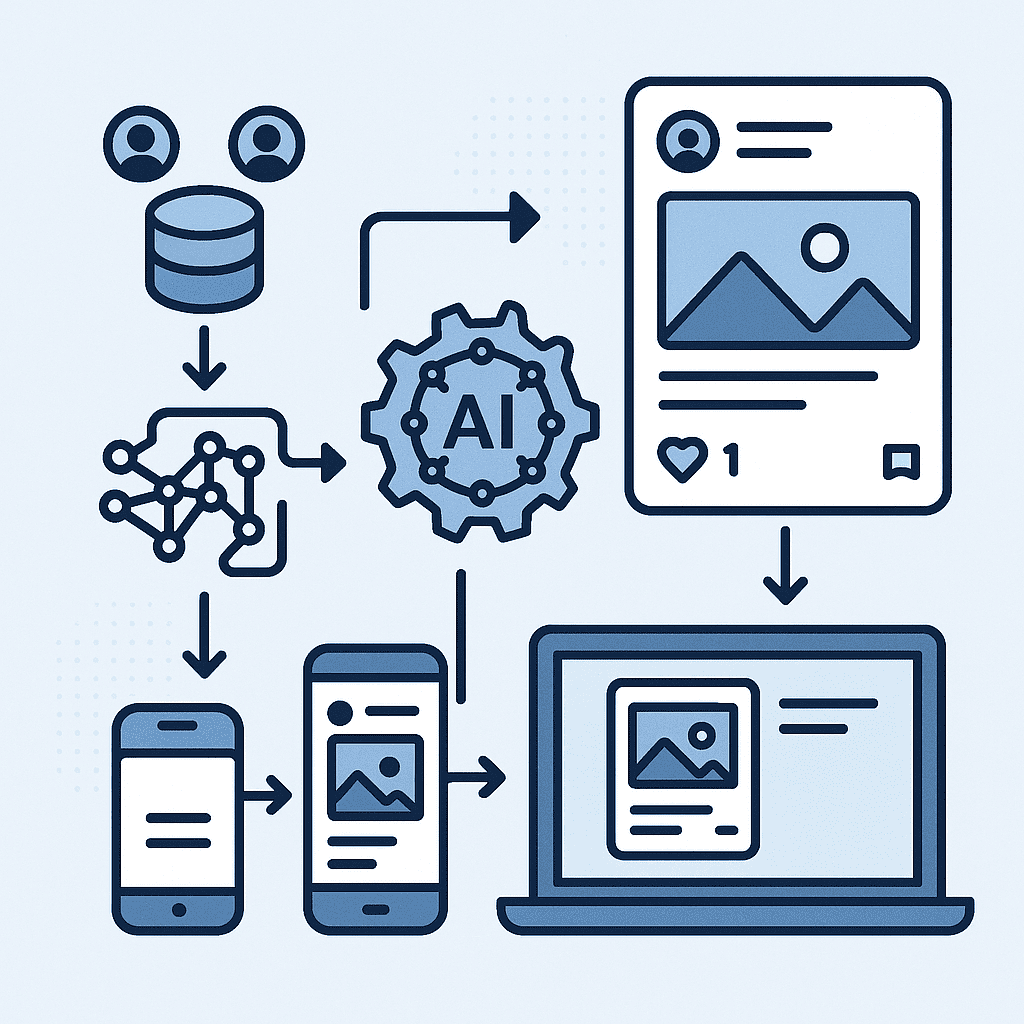
Implementing AI for content personalization involves a few critical steps. First, gather and analyze user data to understand your audience. Next, deploy AI algorithms to segment users based on their behaviors and preferences. Finally, create and distribute personalized content through automated processes, continually refining your approach based on performance metrics.
Introduction to AI in Social Media Content Personalization
AI content personalization has revolutionized the way social media platforms interact with their users. By leveraging AI-driven content, businesses can create tailored experiences that resonate deeply with individual preferences and behaviors.
Personalized content in social media is crucial for enhancing user engagement and driving better outcomes for brands. With AI capabilities, platforms can analyze vast amounts of data to deliver highly relevant and engaging content to users.
AI in content personalization encompasses a wide array of technologies and techniques. From natural language processing to machine learning algorithms, AI helps in understanding user intent, predicting preferences, and automating content curation. This comprehensive approach ensures that each user receives content that is not only relevant but also timely and captivating.
Discover more about using AI to overcome writer’s block and enhance your social media strategy.
Understanding Hyper-Personalization
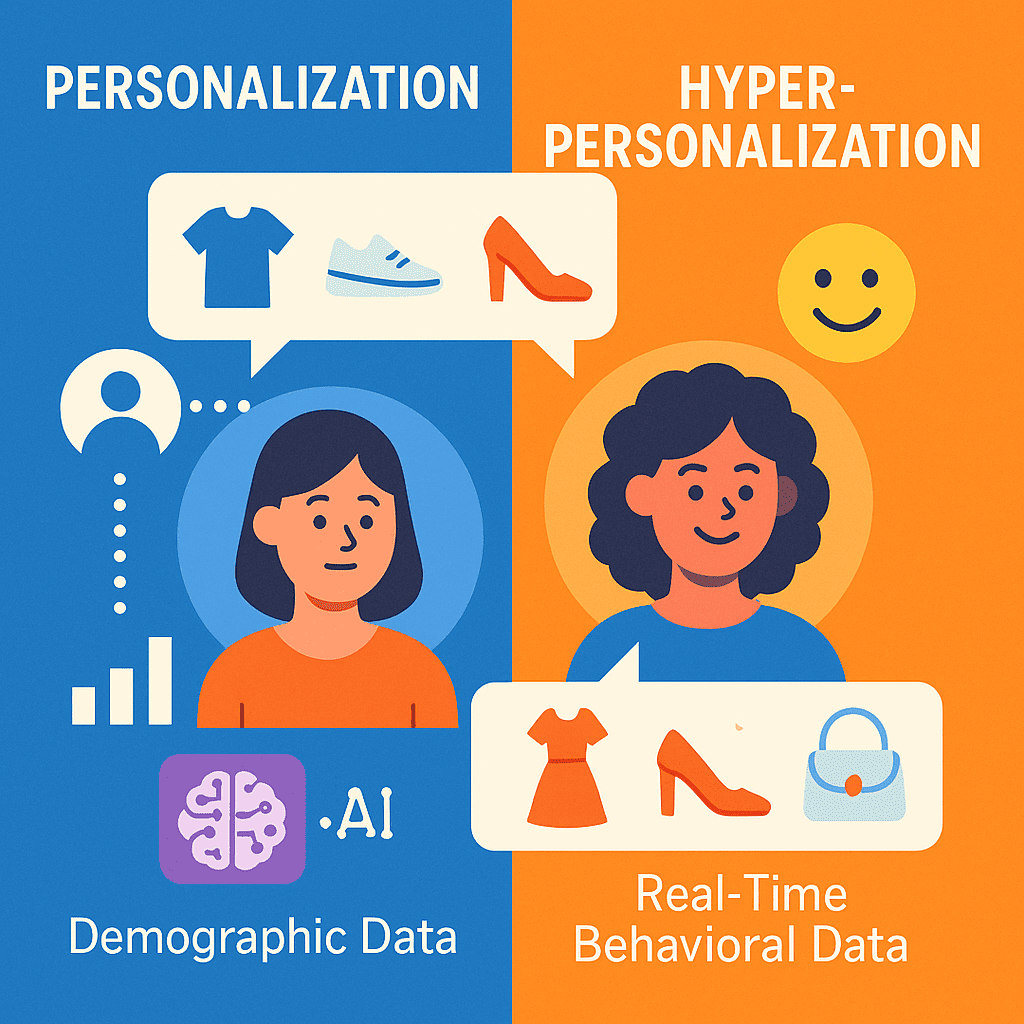
Hyper-personalization is a sophisticated form of personalization that leverages advanced technologies such as artificial intelligence (AI) and big data to deliver highly tailored and individualized experiences to users. Unlike traditional personalization, which might involve using a customer’s name in an email or recommending products based on past purchases, hyper-personalization goes much deeper. It analyzes a multitude of data points, including real-time behavioral data, to create content that is uniquely relevant to each user.
One of the key differences between personalization and hyper-personalization lies in the level of detail and customization involved. Personalization might suggest a product based on broad categories, while hyper-personalization considers individual preferences, browsing history, and even current mood to suggest highly specific products or content. This approach significantly enhances customer engagement by making users feel understood and valued.
The benefits of hyper-personalization in social media marketing are profound. By delivering content that resonates on a personal level, brands can foster deeper connections with their audience, increase engagement rates, and ultimately drive higher conversion rates. For instance, hyper-personalized campaigns can dynamically adjust the messaging and visuals based on real-time interactions, ensuring that each piece of content feels timely and relevant.
| Aspect | Personalization | Hyper-Personalization |
|---|---|---|
| Data Utilization | Basic demographic and purchase history | Comprehensive behavioral, contextual, and real-time data |
| Content Customization | General recommendations | Highly specific and individualized recommendations |
| Customer Engagement | Moderate | High |
To explore how AI can assist in crafting compelling Twitter threads, check out our detailed guide.
AI Tools and Platforms for Content Personalization
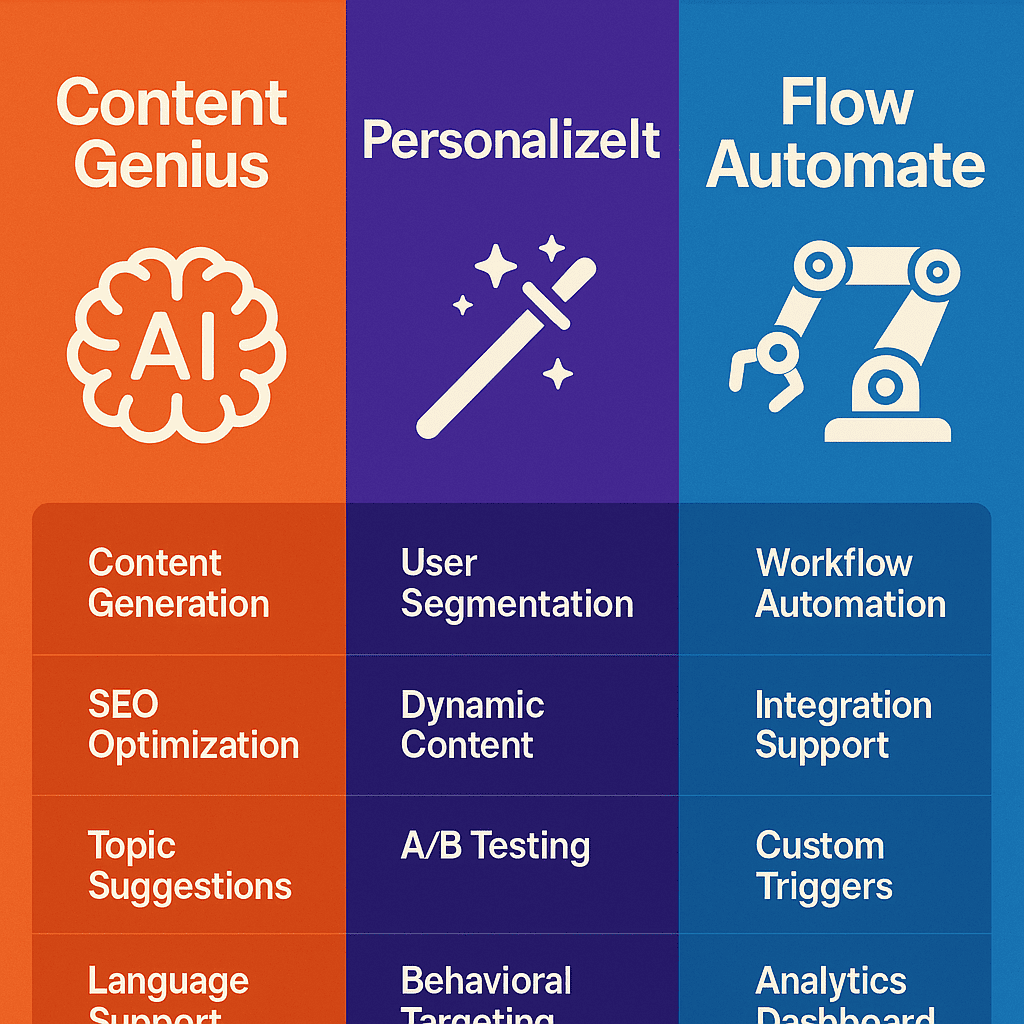
In today’s digital landscape, leveraging AI content personalization tools can significantly enhance your marketing strategy. These tools offer a range of features designed to cater to your audience’s specific preferences and behaviors, ensuring a more engaging experience. Below, we explore some of the top AI tools for content personalization, their standout features, and how to select the right one for your needs.
- PersonalizeIt
- This platform excels in behavioral analysis and real-time content adjustments. It uses machine learning to predict user interests and tailor content accordingly. Key benefits include increased engagement rates and improved customer satisfaction.
- ContentGenius
- ContentGenius offers advanced segmentation capabilities, allowing for highly targeted content delivery. Its intuitive dashboard provides detailed insights into audience behavior, making it easier to refine your content strategy. Ideal for marketers seeking in-depth analytics.
- FlowAutomate
- FlowAutomate integrates seamlessly with various content management systems, providing a streamlined workflow for content creation and distribution. Its AI-driven recommendations help optimize content for maximum impact. A great choice for teams looking to enhance efficiency.
When choosing the right AI tools for your needs, consider the following factors:
- Integration: Ensure the tool integrates well with your existing platforms and workflows.
- Scalability: Choose a tool that can grow with your business and handle increased content demands.
- Usability: Opt for user-friendly interfaces that facilitate ease of use for your team.
- Support and Training: Look for tools that offer comprehensive support and training resources.
By leveraging these AI content personalization tools, you can create more tailored and engaging experiences for your audience, driving better results for your brand. For more insights, check our detailed guide on how to use an AI post generator for Instagram.
Step-by-Step Guide to Implementing AI for Content Personalization
Are you ready to transform your social media strategy with AI-driven content personalization? This step-by-step guide will walk you through the initial steps, detailed setup, and best practices to ensure effective implementation.
1. Initial Steps Before Implementing AI
Before diving into how to use AI for social media content personalization, it’s crucial to lay a solid foundation. Start by:
- Defining Goals: Clearly outline what you aim to achieve with AI, such as increased engagement or targeted messaging.
- Data Collection: Gather and organize your existing data. This includes user behavior, preferences, and historical content performance.
- Choosing the Right Tools: Research and select AI tools that align with your goals and technical capabilities. Look for features like predictive analytics and real-time personalization.
2. Setting Up AI Tools
Once the groundwork is set, the next phase involves the detailed steps for setting up your chosen AI tools:
- Integration: Integrate the AI tool with your existing social media platforms and content management systems. Ensure seamless data flow between systems.
- Training the AI: Feed your AI system with the collected data. This training phase allows the AI to learn user patterns and content performance metrics.
- Customization: Configure the AI to tailor content recommendations based on user segments. Utilize the tool’s settings to define parameters and personalization rules.
- Testing: Conduct thorough testing to ensure the AI-driven strategies work as intended. Adjust algorithms and settings based on test results.
3. Best Practices for Effective Implementation
To maximize the benefits of AI-driven social media strategies, adhere to these best practices:
- Continuous Monitoring: Regularly monitor AI performance and user feedback. Make necessary adjustments to enhance personalization and engagement.
- Data Privacy: Ensure compliance with data privacy regulations. Be transparent with users about how their data is used for personalization.
- Iterative Improvement: AI is not a set-and-forget tool. Continuously refine your strategies based on performance analytics and emerging trends.
- Team Training: Keep your team updated on AI functionalities and best practices. Regular training sessions can help in leveraging the tool effectively.
By following this step-by-step guide to AI content personalization, you can create highly targeted and engaging social media content that resonates with your audience. For more insights on how AI can save your marketing team hours, check out our article on ways AI content generator saves time.
Balancing Automation with Human Touch
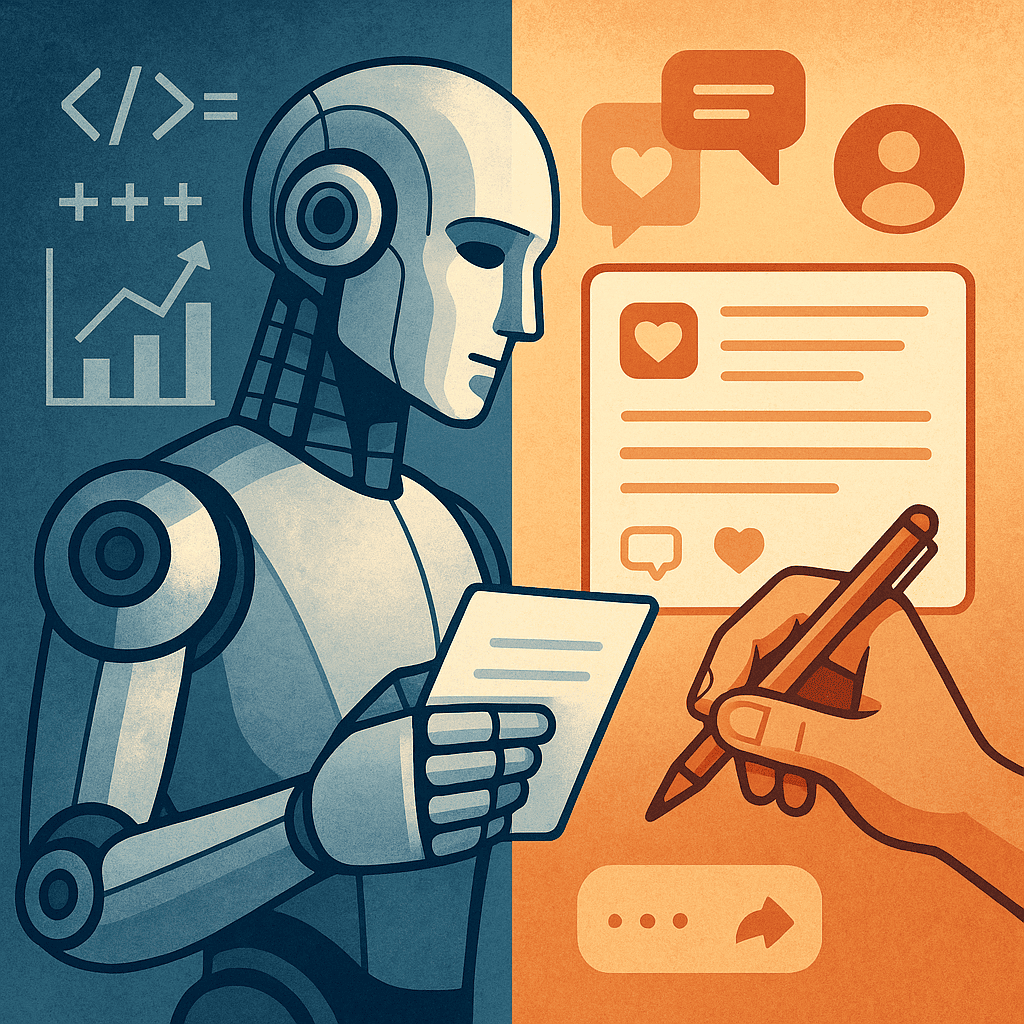
In the realm of content creation, balancing automation with a human touch is pivotal. While AI tools can streamline processes and enhance efficiency, the importance of human touch in content cannot be overstated. Authenticity is key to maintaining brand voice and ensuring your audience feels connected.
To achieve this balance, consider strategies that integrate AI automation while preserving the human element. One effective approach is using AI for repetitive tasks like scheduling posts or analyzing data, allowing you to focus on creative and strategic aspects. For instance, AI can generate video ideas, but the final script and voiceover should reflect your unique brand personality, ensuring you maintain authenticity and a personal connection.
Examples of successful balance are plentiful. Many brands use AI to analyze customer behavior, but the actual engagement—like responding to comments or personalized emails—should be handled by a dedicated team to retain a human touch. This dual approach not only enhances productivity but also ensures your brand voice remains consistent and relatable.
By leveraging the strengths of both AI and human creativity, you can create content that resonates deeply with your audience while benefiting from the efficiencies of automation.
For more insights on using AI to generate video ideas, check out our guide.
Ethical Considerations and Privacy Compliance
When discussing ethical considerations in AI content personalization, it’s crucial to recognize the importance of balancing innovation with responsibility. AI systems can significantly enhance user experiences by tailoring content to individual preferences, but they must do so without compromising ethical standards.
One major concern is the potential for AI to perpetuate biases or discrimination. Ensuring that AI algorithms are fair and unbiased requires continuous monitoring and adjustments. For instance, if an AI system inadvertently favors certain demographics over others, it can lead to ethical dilemmas that undermine trust and inclusivity.
Privacy compliance is another critical aspect. As AI systems collect and analyze vast amounts of personal data, adhering to privacy regulations like GDPR and CCPA is non-negotiable. Organizations must implement robust data protection measures and be transparent about data usage to maintain user trust.
Best practices to ensure ethical AI use include adopting a user-centric approach, conducting regular audits, and fostering a culture of accountability. By prioritizing AI ethics, companies can not only comply with legal requirements but also build stronger relationships with their customers.
For more insights on privacy compliance guidelines, visit this authoritative resource.
Case Studies: Success Stories
Examining real-world examples of AI success stories can provide valuable insights into the potential impact and practical applications of AI in various industries. Let’s delve into two notable case studies that highlight the transformative power of AI technology.
Case Study 1: Company A’s Success
Company A, a leading player in the healthcare sector, implemented an AI-driven diagnostic tool to enhance their patient care services. By leveraging advanced AI algorithms, they were able to analyze vast amounts of medical data quickly and accurately. This innovation resulted in a 30% improvement in diagnostic accuracy and a 20% reduction in patient wait times.
Moreover, the AI tool helped in identifying potential health risks that were previously overlooked, allowing for preventive measures to be taken earlier. This not only improved patient outcomes but also significantly reduced overall healthcare costs.
Case Study 2: Company B’s Success
In the retail industry, Company B utilized AI-powered customer analytics to enhance their marketing strategies. By analyzing customer behavior and preferences, they were able to create highly personalized marketing campaigns. These targeted efforts led to a 25% increase in customer engagement and a 15% boost in sales.
Additionally, AI-driven inventory management systems allowed Company B to optimize stock levels, reducing wastage and ensuring that popular products were always available. This strategic use of AI not only improved operational efficiency but also elevated the overall customer experience.
Key Takeaways from the Case Studies
These case studies underscore the significant advantages of integrating AI into business operations. From improving accuracy and efficiency in diagnostics to enhancing customer engagement and optimizing inventory, AI proves to be a game-changer across diverse sectors. The success stories of Company A and Company B illustrate the tangible benefits that AI can bring, paving the way for more innovative applications in the future.
Future Trends in AI-Driven Content Personalization
As we explore the future trends in AI-driven content personalization, it’s clear that emerging AI technologies will continue to revolutionize how we interact with content. One of the most exciting trends is the development of hyper-personalized experiences. By leveraging deep learning and advanced algorithms, AI can now analyze user behavior with unprecedented accuracy, tailoring content to individual preferences in real time.
Looking ahead, we predict that AI will become even more integral to content creation and distribution. For instance, predictive analytics will allow marketers to anticipate what type of content will resonate with their audience before they even create it. Additionally, the integration of AI with augmented reality (AR) and virtual reality (VR) could offer immersive content experiences that adapt dynamically to user feedback.
To stay ahead of the curve, it’s crucial to invest in these emerging AI technologies early on. Keeping abreast of the latest advancements and implementing them into your content strategy can provide a significant competitive edge. For more insights on the future of AI in marketing, consider this comprehensive resource:
Frequently Asked Questions about Personalizing Social Media Content at Scale with AI
What is AI-driven content personalization?
AI-driven content personalization involves using artificial intelligence to tailor content to individual users based on their preferences, behaviors, and past interactions. This sophisticated approach allows businesses to deliver highly relevant and engaging experiences, increasing customer satisfaction and loyalty.
One of the key benefits of AI-driven personalization is its ability to analyze vast amounts of data quickly and accurately, creating profiles that predict what each user is most likely to enjoy or find useful. For example, streaming services like Netflix recommend shows based on viewing history, while e-commerce sites suggest products based on browsing habits.
AI-driven personalization is transforming industries by providing more meaningful and customized user experiences, driving engagement, and ultimately boosting revenue. As technology advances, the potential applications and effectiveness of AI-driven personalization will only continue to grow.
How does AI enhance social media marketing?
AI is revolutionizing social media marketing in several key ways. First, it’s enhancing customer engagement by analyzing vast amounts of data to understand audience preferences and behaviors. This allows for tailored content that resonates more deeply with users. For instance, AI-driven tools can schedule posts at optimal times and personalize interactions, making each user feel valued and heard.
Moreover, AI’s impact on social media marketing extends to predictive analytics. By forecasting trends and consumer needs, marketers can stay ahead of the curve. Think of AI as your social media crystal ball, offering insights that were previously unimaginable. For example, brands using AI tools like InsightDash have reported a significant increase in engagement rates.
Finally, AI’s ability to automate repetitive tasks means marketers can focus on strategy and creativity, rather than getting bogged down by the nitty-gritty. From chatbots that handle customer inquiries to algorithms that generate content ideas, AI is streamlining processes and driving efficiency, leading to more effective and impactful social media campaigns.
What tools are best for AI content personalization?
Choosing the right AI tools for content personalization can significantly impact your marketing strategy. Here are some of the top tools available:
- InsightDash: A versatile tool that analyzes user behavior and preferences to deliver personalized content recommendations. It features real-time analytics and customizable dashboards.
- FlowAutomate: This tool excels in automating content delivery based on user interactions. It offers A/B testing capabilities and detailed performance metrics.
- ContentGenie: Known for its advanced machine learning algorithms, ContentGenie helps create personalized content that resonates with individual users. It includes sentiment analysis and predictive analytics.
When selecting the right tool for your needs, consider factors such as ease of integration, scalability, and specific features that align with your business goals. By leveraging these AI tools, you can enhance user engagement and drive better results.
Leave a Reply