
Now that you understand what Sticky Keys are and why you might want to disable them, let’s dive straight into the quick fix for disabling Sticky Keys. Follow these step-by-step instructions to turn off Sticky Keys in under 60 seconds.
- Press the Shift key five times rapidly. This should trigger the Sticky Keys dialog box to appear on your screen.
- In the dialog box, click on the “Disable this keyboard shortcut in Ease of Access keyboard settings” link. This will open the keyboard settings window.
- In the settings window, find the Sticky Keys section and toggle the switch to the Off position.
- Close the settings window. Sticky Keys should now be disabled.
If you’re using a different operating system, the process might vary slightly, but the core steps are generally the same. For specific instructions tailored to your OS, refer to the next section where we cover alternative methods for different operating systems.
With this quick guide, you should be able to disable Sticky Keys swiftly and get back to your tasks without any interruptions. Remember, if you need further assistance, detailed screenshots and instructions are available in the upcoming sections.
Understanding what Sticky Keys are and how they can inadvertently affect your workflow is crucial before you dive into the steps to cancel them. Sticky Keys is an accessibility feature designed to help individuals who have difficulty holding down multiple keys simultaneously. When activated, it allows a user to press keys in sequence rather than simultaneously to execute keyboard shortcuts.
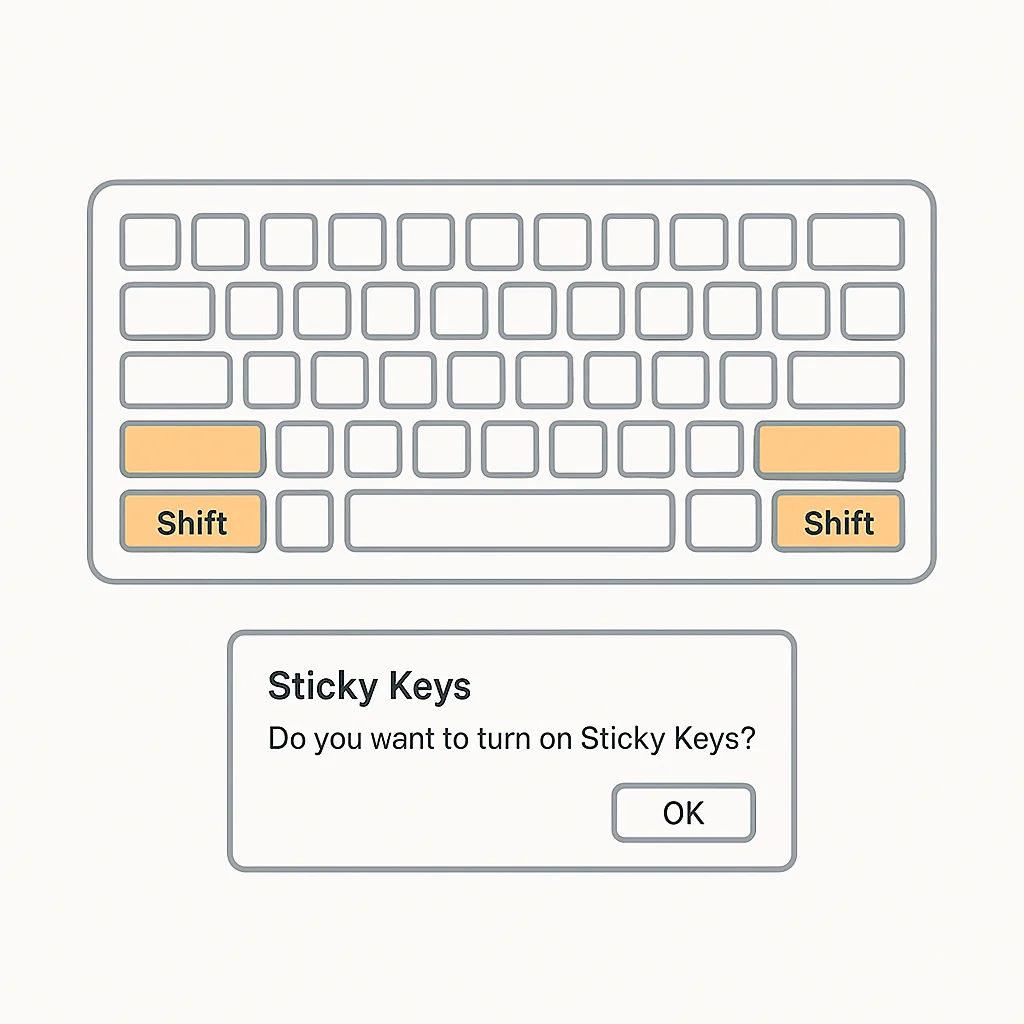
Common triggers for the activation of Sticky Keys include rapidly pressing the Shift key five times. This can easily happen during the regular use of your keyboard, especially if you rely on keyboard shortcuts for productivity. While this feature is beneficial for some, it can be quite annoying for others, leading to confusion and disruption in the user experience.
The impact of Sticky Keys on user experience can range from mild inconvenience to significant disruption, especially if the activation happens unexpectedly. It may interfere with typing, gaming, or any activity that requires uninterrupted keyboard use. For those not needing this feature, encountering it can feel like an obstacle rather than a help.
For more on managing accessibility settings, check out our guide on social media image sizes. Additionally, a high-quality study on keyboard accessibility features can be found here.
Now that you understand what Sticky Keys are and why they might be activated, let’s dive into the step-by-step guide on how to disable Sticky Keys on Windows 10. This quick fix for Sticky Keys activation is straightforward and can be accomplished in under 60 seconds.
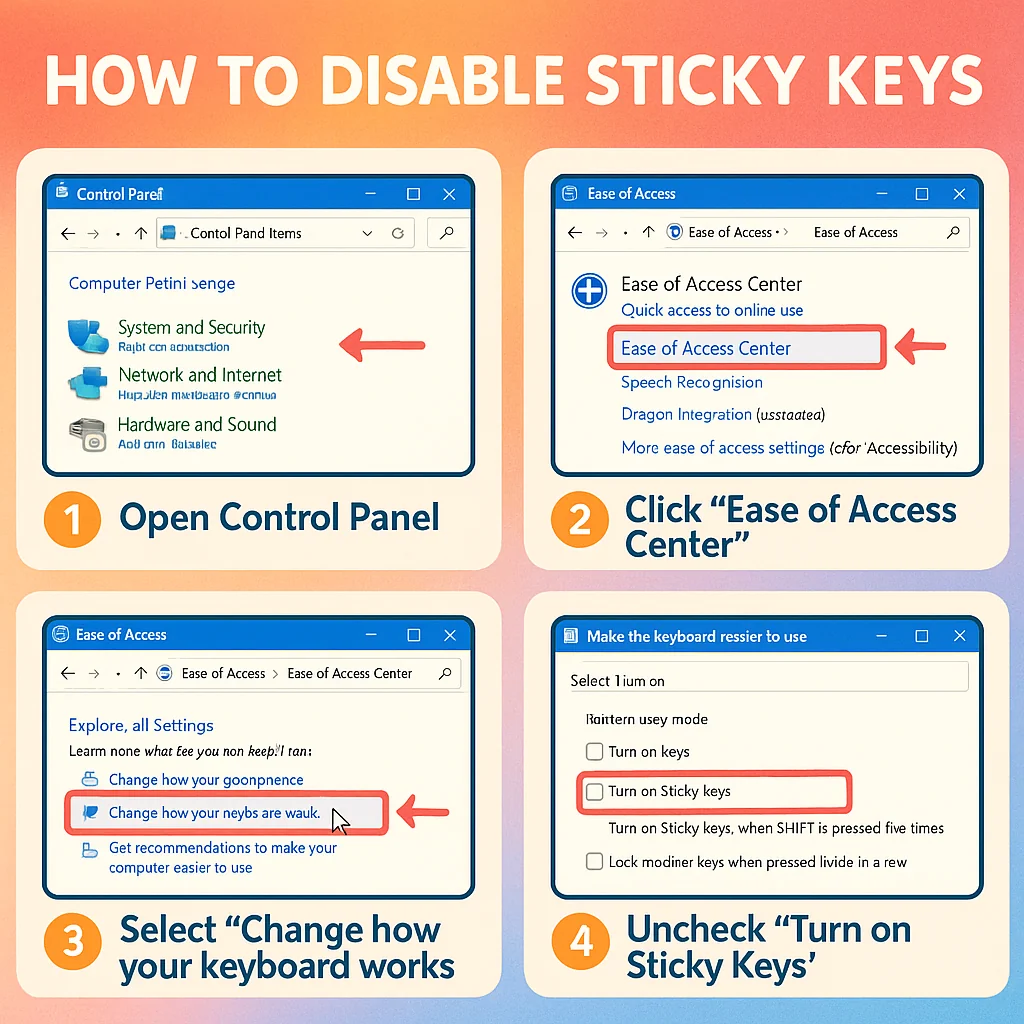
Accessing the Control Panel
First, you need to access the Control Panel on your Windows 10 computer. Follow these steps:
- Click on the Start menu or press the Windows key on your keyboard.
- Type Control Panel in the search bar and press Enter.
- Select Control Panel from the search results.
Navigating to Ease of Access Settings
Once you are in the Control Panel, follow these steps to navigate to the Ease of Access settings:
- Click on Ease of Access.
- Select Ease of Access Center.
- Under “Explore all settings,” click on Make the keyboard easier to use.
Disabling Sticky Keys
To disable Sticky Keys, follow these instructions:
- In the “Make the keyboard easier to use” settings, find the Make it easier to type section.
- Uncheck the box next to Turn on Sticky Keys.
- Click Apply and then OK to save your changes.
You can also visit the official Microsoft support page on Sticky Keys for more detailed instructions and visual aids.
These simple steps should help you disable Sticky Keys and prevent accidental activation in the future. For more quick fixes and tech tips, visit our blog on top social media platforms.
Now that you know how to cancel Sticky Keys quickly, let’s explore alternative methods for different operating systems. Whether you’re using MacOS or Linux, we’ve got you covered with simple steps to disable Sticky Keys.
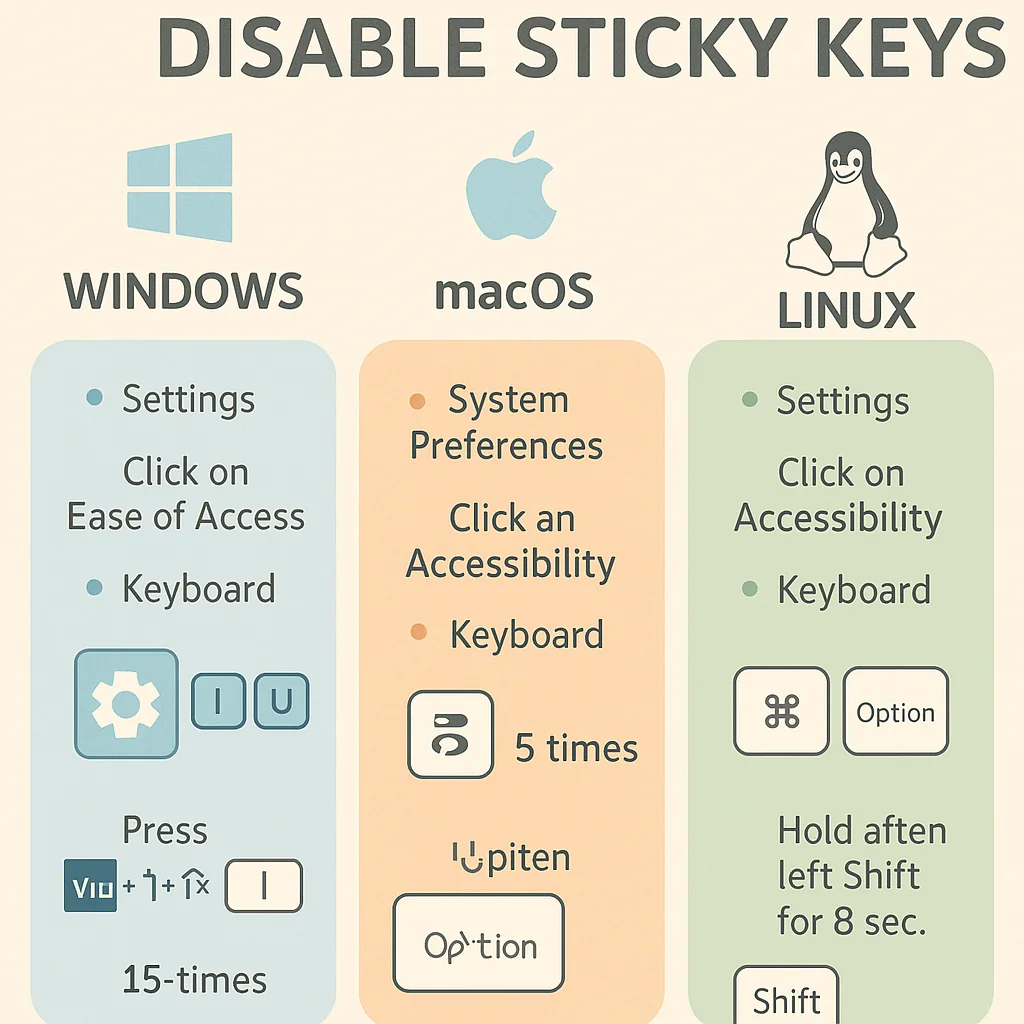
Disabling Sticky Keys on MacOS
To disable Sticky Keys on MacOS, follow these steps:
- Open the Apple menu and select System Preferences.
- Click on Accessibility.
- In the left-hand sidebar, select Keyboard.
- Uncheck the box next to Enable Sticky Keys.
For more detailed instructions, you can visit the Apple support page on accessibility.
Disabling Sticky Keys on Linux
Disabling Sticky Keys on Linux can vary slightly depending on your distribution, but generally, you can follow these steps:
- Open the Settings menu.
- Navigate to Accessibility or Universal Access.
- Look for the Typing section and find the option for Sticky Keys.
- Switch off the Sticky Keys toggle.
If you’re using a specific Linux distribution, you might find more tailored instructions by searching online with your distro’s name followed by “disable Sticky Keys.”
Using Keyboard Shortcuts
In addition to navigating through menus, you can also use keyboard shortcuts to disable Sticky Keys:
- On Windows, press Shift five times in quick succession to toggle Sticky Keys off.
- On MacOS, press the Option key five times to disable Sticky Keys.
- For Linux, the shortcut can vary, so check your specific distribution’s documentation for details.
By following these methods, you can disable Sticky Keys on any operating system with ease. If you want to delve deeper into customizing your settings, learn more about customizing your settings in our article on watermarks in social videos.
Now that you’ve learned how to cancel Sticky Keys in under 60 seconds and explored alternative methods for different operating systems, let’s focus on preventing Sticky Keys activation in the future. By making a few adjustments, you can ensure a smoother and less disruptive keyboard experience.
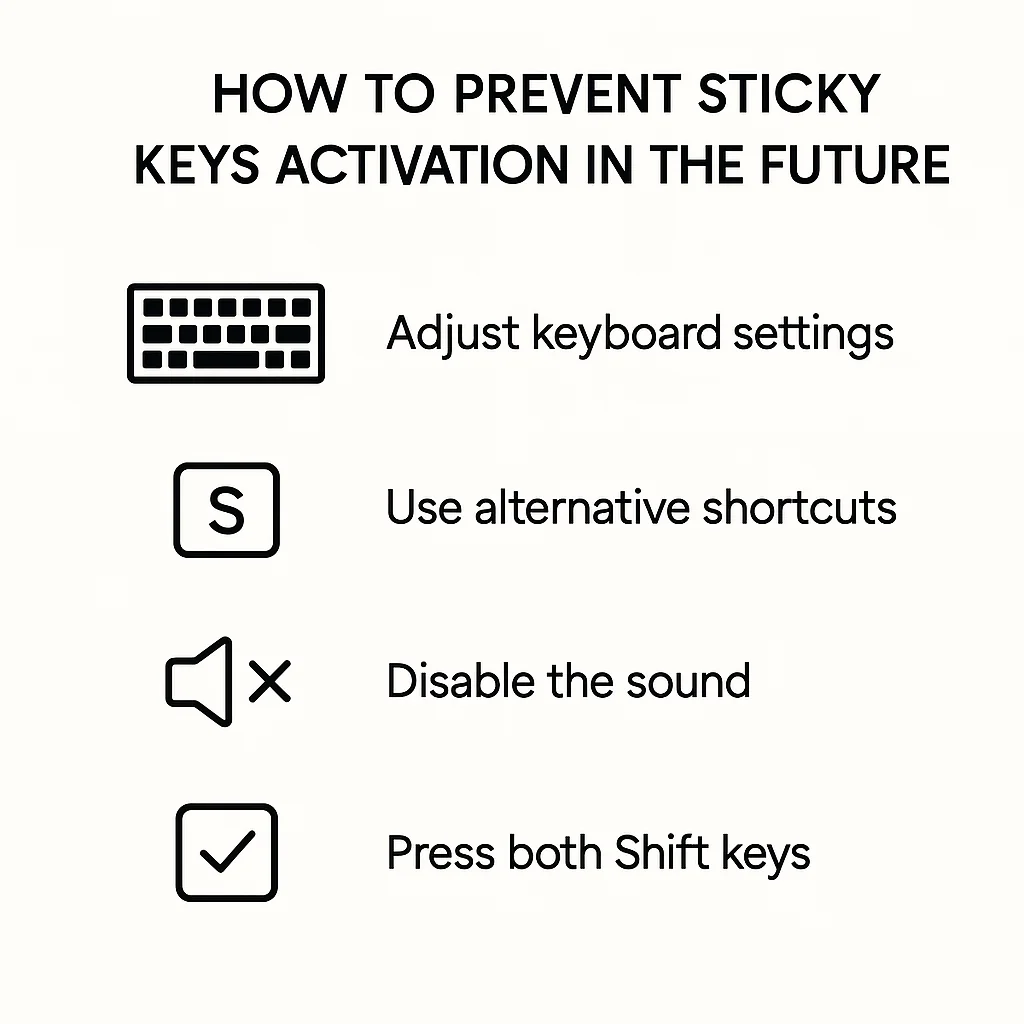
Adjusting Keyboard Settings
The most straightforward way to prevent Sticky Keys activation is by adjusting your keyboard settings. Here’s how you can do it:
- Go to your computer’s Control Panel or Settings menu.
- Navigate to the Ease of Access or Accessibility section.
- Select Keyboard settings.
- Locate the option for Sticky Keys and ensure it is turned off.
For a more detailed guide on customizing keyboard settings, you can refer to this comprehensive guide.
Using Alternative Shortcuts
Another effective way to prevent Sticky Keys activation is by using alternative shortcuts. Instead of pressing the Shift key five times consecutively, consider using modifier keys in combination with other keys to accomplish your tasks. This habit reduces the likelihood of accidentally triggering Sticky Keys.
Disabling Sticky Keys Permanently
If you find Sticky Keys particularly disruptive, you may want to permanently disable Sticky Keys. Follow these steps to permanently disable it:
- Open your computer’s Settings or Control Panel.
- Access the Ease of Access or Accessibility settings.
- Navigate to Keyboard settings.
- Find the Sticky Keys section and uncheck any options that enable it.
- Click Apply and then OK to save your changes.
By taking these steps, you can ensure that Sticky Keys won’t activate unexpectedly, allowing for a more seamless computing experience.
For more tech tips and guides, check out our beginner to pro makeup guide.
In conclusion, disabling Sticky Keys is a straightforward process that can be completed quickly. Whether you followed our step-by-step guide or explored alternative methods specific to your operating system, you now have the tools to handle this issue efficiently. Moreover, taking preventative measures will help you avoid accidental activation in the future. Remember, these simple steps can save you from unnecessary frustration. If you have any additional questions, please refer to our FAQ section for more information. Happy computing!
Frequently Asked Questions
Now that you know how to prevent Sticky Keys from activating unexpectedly, let’s address some common questions about this feature.
What are Sticky Keys and why do they activate? Sticky Keys is an accessibility feature designed to assist users with physical disabilities. This feature allows keyboard shortcuts to be executed without pressing multiple keys simultaneously. It activates when you press the Shift key repeatedly, typically five times in a row. This can be helpful for users who may find it challenging to hold down multiple keys at once while typing or using shortcuts.
Now that you understand what Sticky Keys are and why they activate, let’s dive into how you can permanently disable this feature to avoid future frustration. Follow these straightforward steps:
- Access the Ease of Access settings on your computer.
- Navigate to the Keyboard settings section.
- Locate the Sticky Keys option and uncheck it.
- Make sure to save your changes to ensure that Sticky Keys do not activate again in the future.
By following these steps, you can prevent Sticky Keys from turning on unexpectedly, making your computer usage smoother and more enjoyable.
If the quick fix doesn’t resolve the issue, don’t worry—you still have options. First, check for system updates. Sometimes, an outdated operating system can cause problems with accessibility features like Sticky Keys. Updating your OS can often resolve these issues.
Next, consult the official support pages for your operating system. Whether you are using Windows, macOS, or Linux, these resources can provide specific troubleshooting steps tailored to your system.
If you’ve tried both of these steps and the problem persists, it might be time to consider hardware issues. Faulty keyboards or other hardware problems can sometimes mimic the symptoms of Sticky Keys. In such cases, testing your keyboard on another device can help identify the root cause.
Leave a Reply