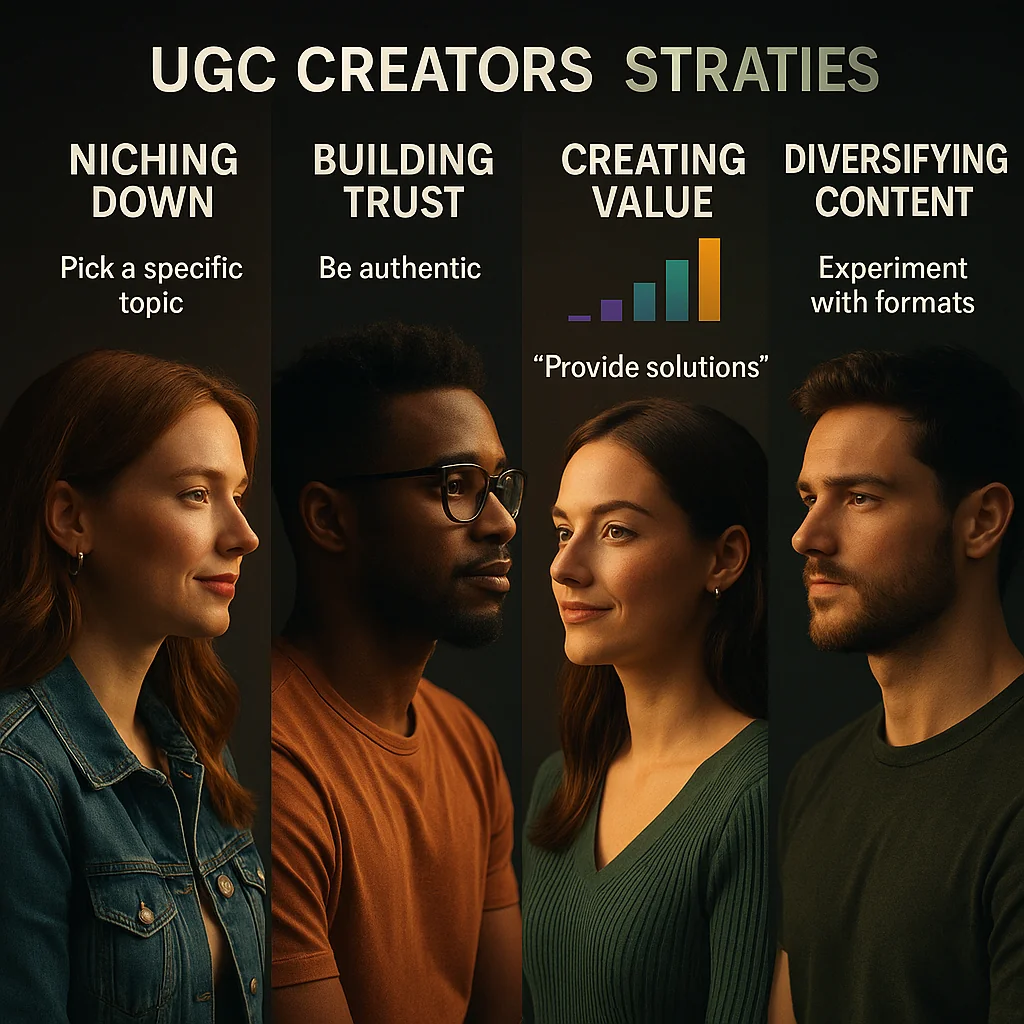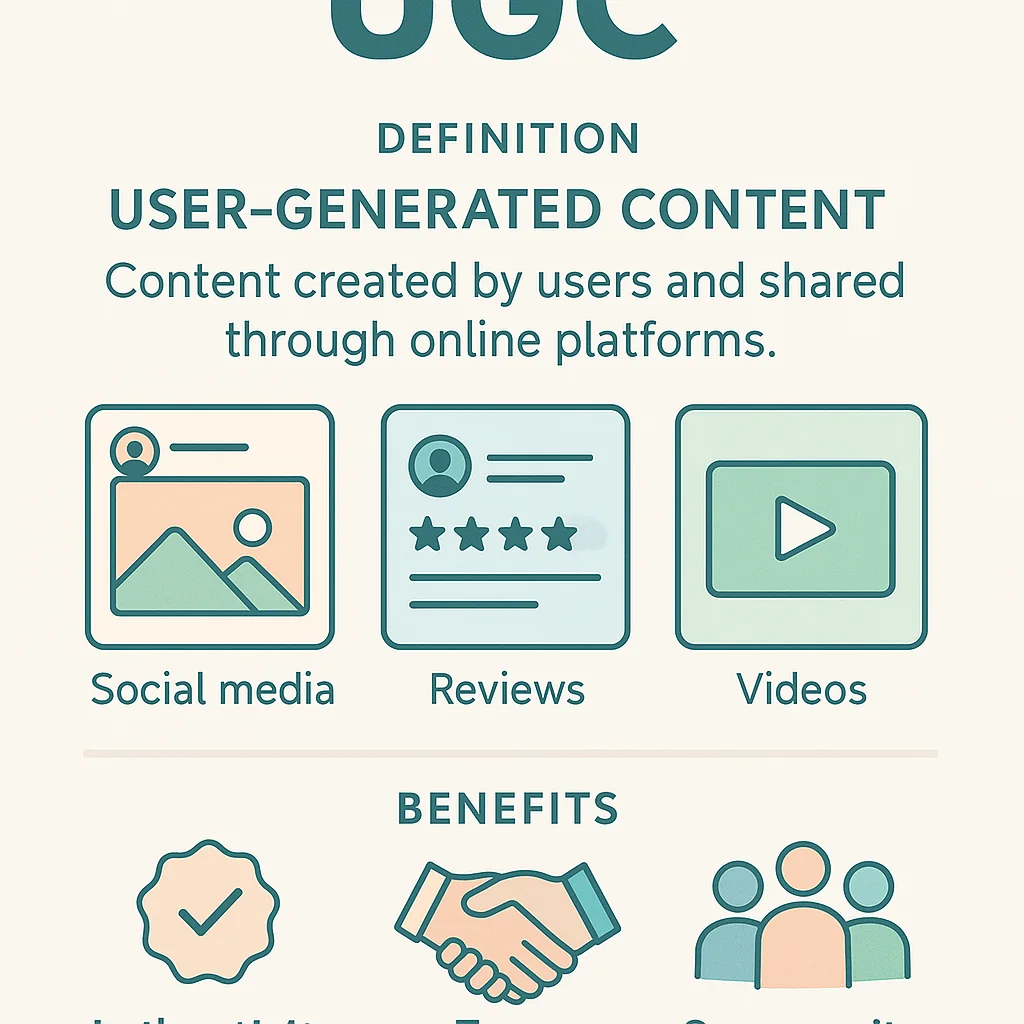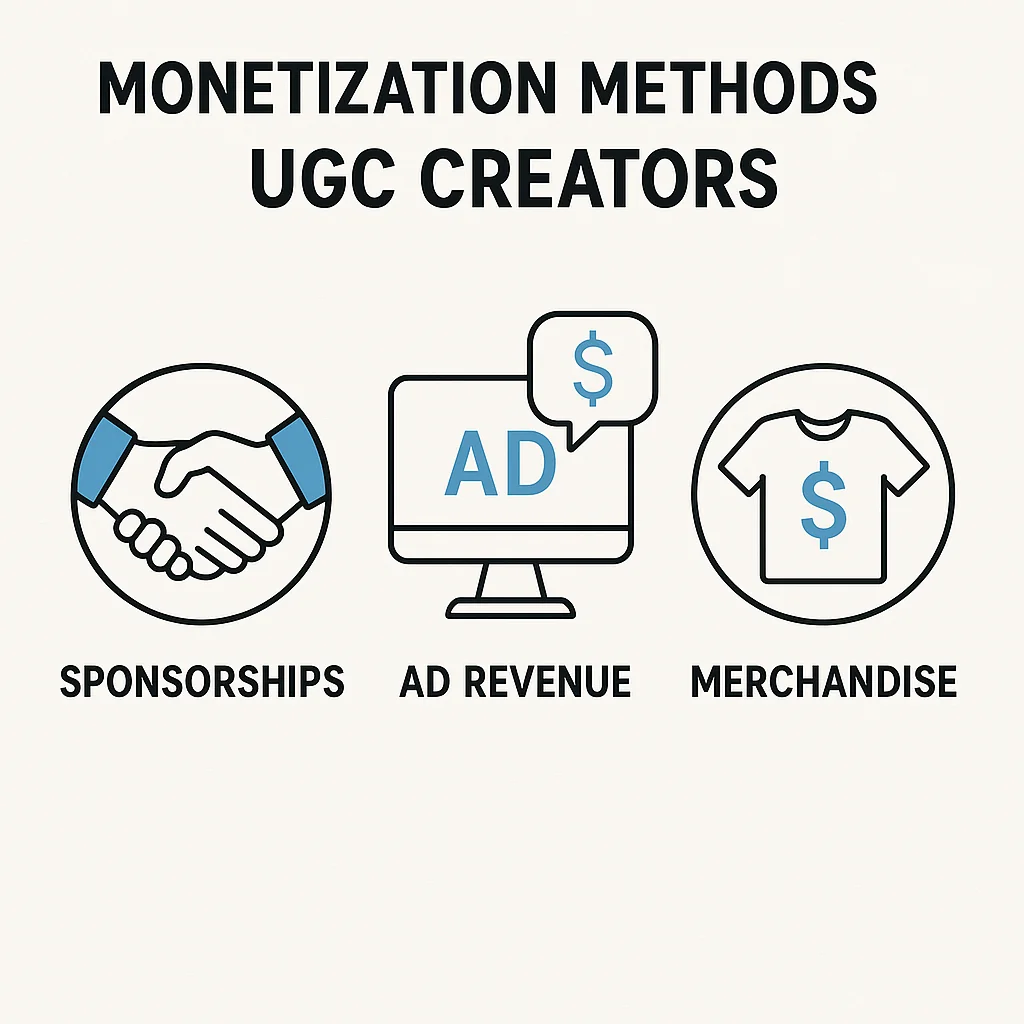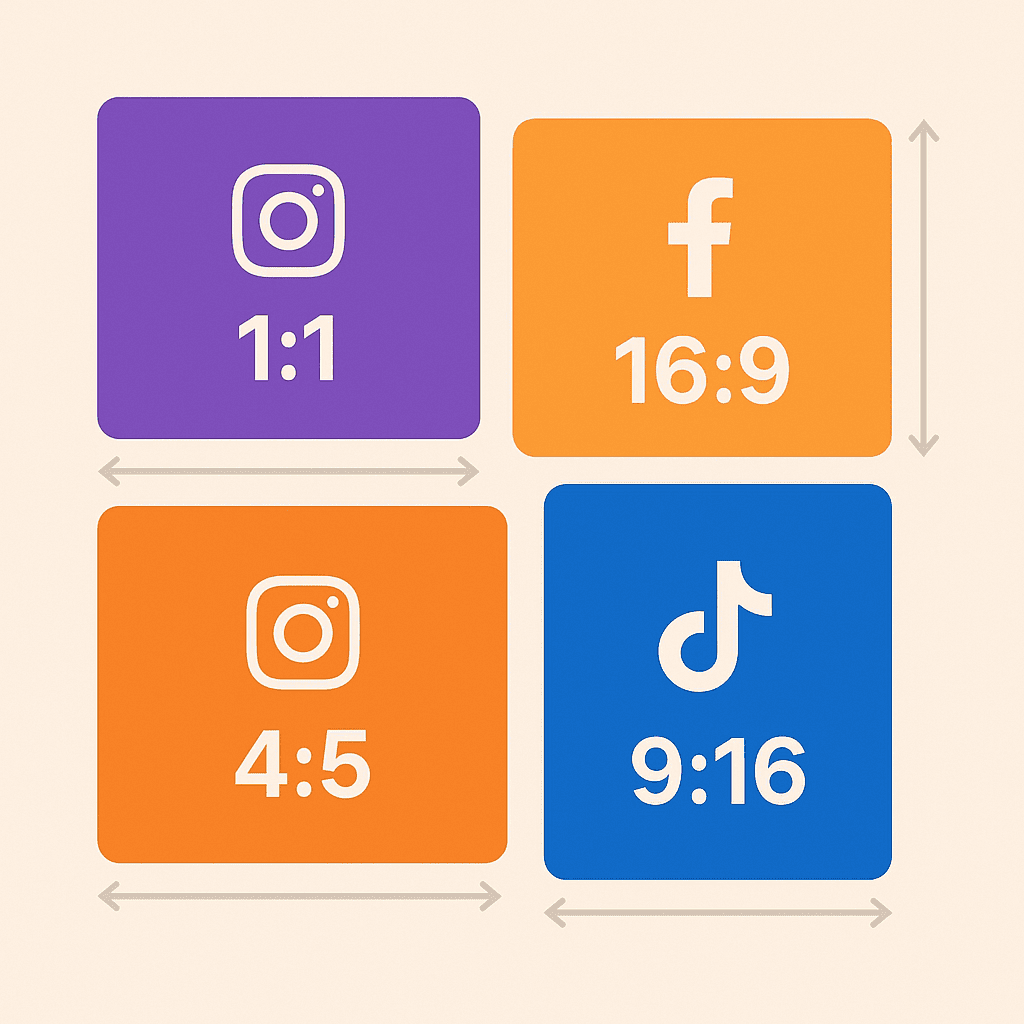
Category: Oolook Best

  • UGC Creators vs. Traditional Influencers 2025: Key Differences & Strategies

    UGC Creators vs. Traditional Influencers 2025: Key Differences & Strategies

    As we delve into the realm of UGC creators versus traditional influencers in 2025, it’s essential to understand the fundamental distinctions and strategies that can be employed to maximize their impact.

    Key Differences Between UGC Creators and Traditional Influencers

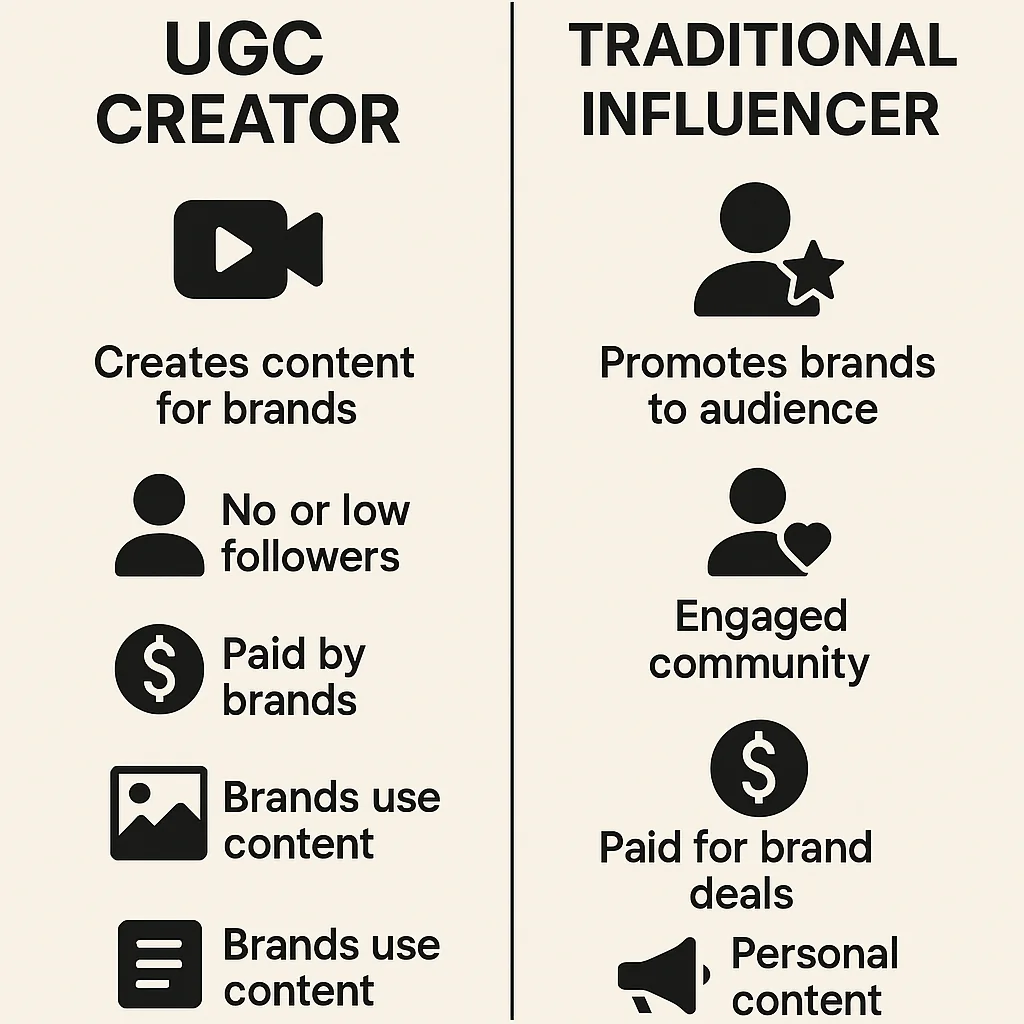
    UGC creators, commonly known as User-Generated Content creators, are individuals who produce content based on their personal experiences and interactions with a brand or product. This contrasts with traditional influencers, who typically have a larger following and are often paid to promote products. While UGC creators offer authentic and relatable content, traditional influencers leverage their established audience to drive brand messages.

    Cost Comparison and ROI Analysis

    One of the significant advantages of UGC creators is cost-effectiveness. Engaging UGC creators often requires less financial investment compared to traditional influencers. Brands can benefit from a higher return on investment (ROI) as UGC content tends to have higher engagement rates due to its authenticity. On the other hand, traditional influencers, despite their higher cost, can offer substantial reach and visibility, which is crucial for large-scale campaigns.

    Effective Strategies for Leveraging UGC Creators

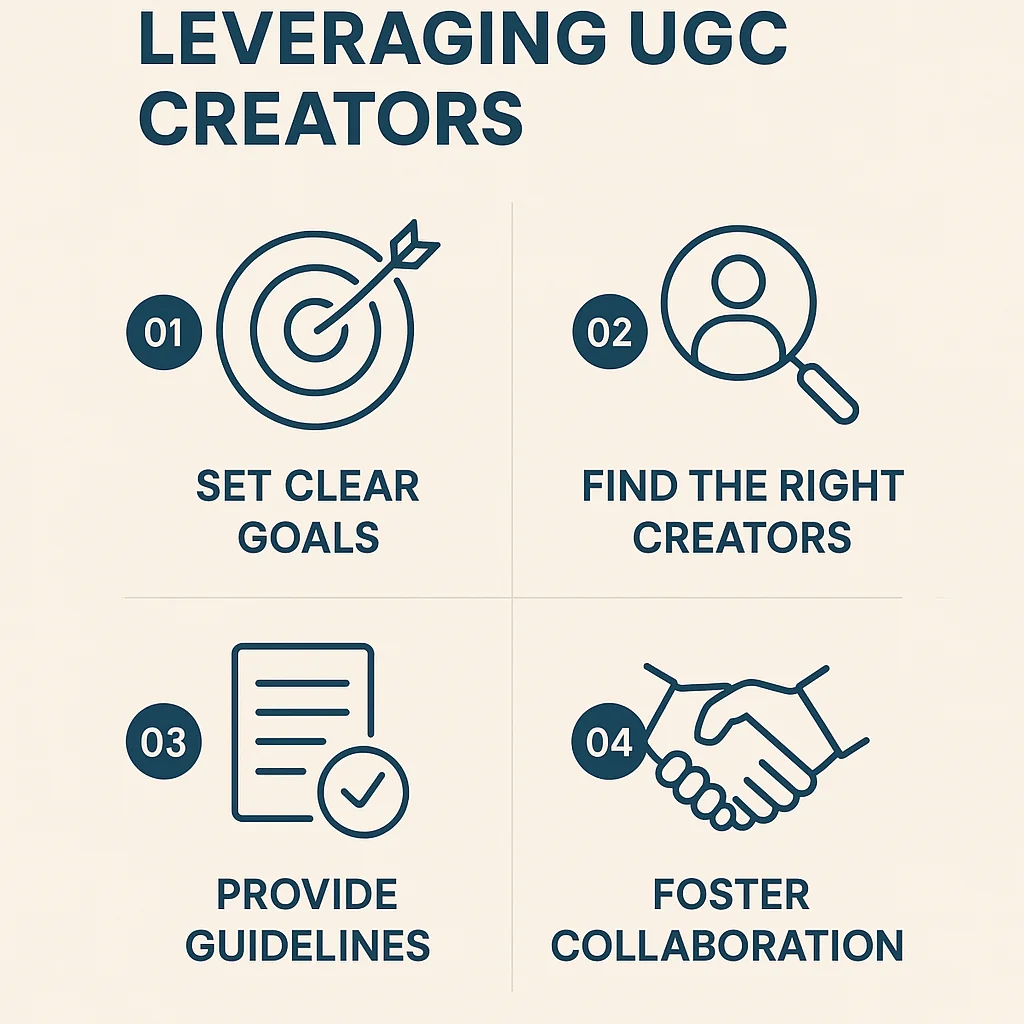
    To effectively leverage UGC creators, brands should encourage genuine content creation by engaging their community and incentivizing participation. Creating interactive elements such as polls, quizzes, and visual aids can enhance engagement and foster a deeper connection with the audience. Additionally, showcasing real-world examples of successful UGC campaigns can provide valuable insights and inspire creative approaches.

    Building on our exploration of the key differences and strategies in UGC Creators vs. Traditional Influencers 2025, it’s crucial to grasp the foundational definitions and historical context of these two influential roles.
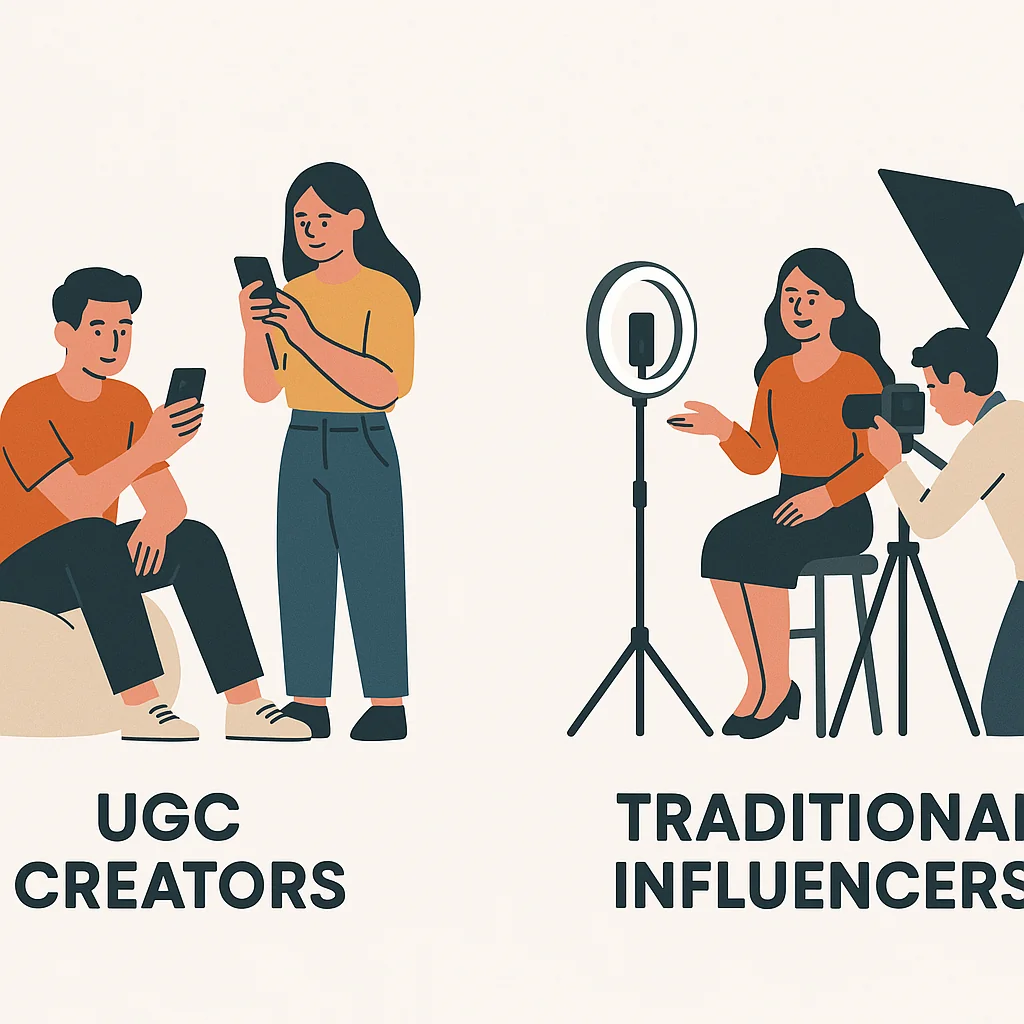
    Infographic comparing UGC creators using smartphones in casual settings and traditional influencers in professional studio setups.

    Definition of UGC Creators

    UGC creators, or User-Generated Content creators, are everyday users who produce content that showcases their personal experiences with a brand. This content can include reviews, testimonials, social media posts, and videos. UGC creators are valued for their authenticity and the organic connection they form with audiences. This grassroots approach has been increasingly pivotal in influencer marketing trends 2025.

    Definition of Traditional Influencers

    Traditional influencers, on the other hand, are individuals who have amassed a large following on social media platforms. Their influence is often bolstered by their perceived expertise, celebrity status, or niche specialization. These influencers typically engage in partnerships with brands to promote products or services in a more polished, professional manner.

    Historical Context and Evolution

    Understanding the historical context is essential to appreciate the evolution of influencer marketing. Traditional influencers have been a staple of digital marketing for over a decade, initially gaining traction through platforms like Instagram and YouTube. Over time, their role has evolved from casual endorsements to strategic brand ambassadorships.

    Meanwhile, the rise of UGC creators has been a more recent phenomenon, driven by the increasing desire for authenticity and relatability in marketing. This shift reflects a broader change in consumer behavior, as audiences now favor genuine, relatable content over polished advertisements.

    To understand the rise of UGC creators, refer to our detailed analysis. Additionally, for a comprehensive study on the evolution of influencer marketing, visit the Influencer Marketing Hub’s benchmark report.

    Building on our understanding of UGC Creators and Traditional Influencers, it is essential to delve into the key differences in their approach and impact. Understanding these distinctions can help brands decide which strategy aligns best with their goals.
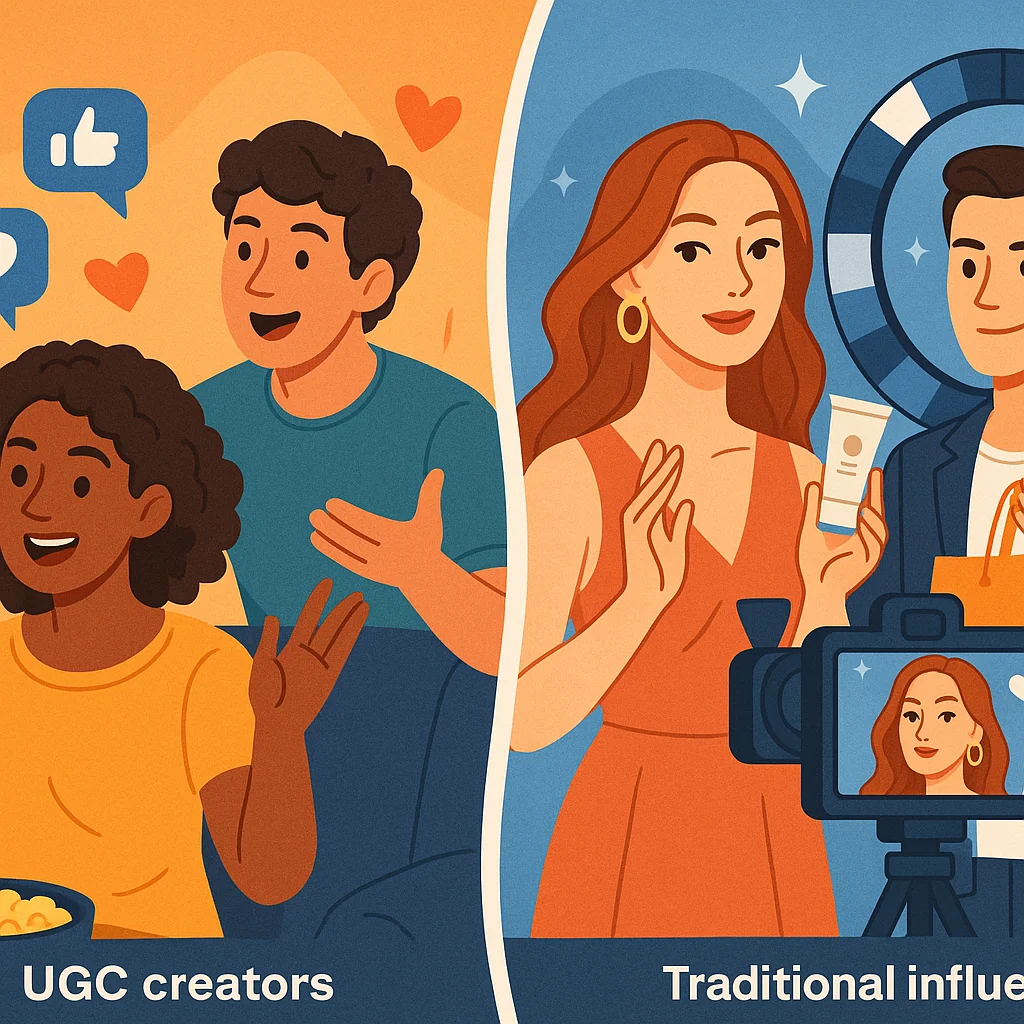
    Illustration showing UGC creators engaging authentically with their audience and traditional influencers showcasing polished content.

    Content Creation Styles

    One of the most notable differences between UGC Creators vs. Traditional Influencers 2025 lies in their content creation styles. UGC creators focus on producing authentic content that resonates with real-life experiences, often capturing the raw and unfiltered aspects of a product or service. This type of content is typically more relatable to audiences, as it mirrors the everyday user experience.

    In contrast, traditional influencers often create highly polished and professionally curated content. Their posts are usually well-planned, featuring high-quality visuals and strategic messaging. While this can result in visually appealing content, it may sometimes come across as less genuine compared to the relatable, user-generated posts.

    Audience Engagement and Trust

    Audience engagement and trust are crucial in the battle of UGC Creators vs. Traditional Influencers 2025. UGC creators tend to foster higher levels of trust among their followers due to the perceived authenticity of their content. Users often view UGC as more credible since it is created by peers rather than paid endorsements.

    Traditional influencers, while still influential, can sometimes struggle with maintaining the same level of trust. As audiences become more savvy, they are increasingly aware of sponsored content, which can affect perceived authenticity. However, traditional influencers can still drive significant engagement, particularly if they have a well-established and loyal fan base.

    Impact on Brand Perception

    The impact on brand perception also varies significantly between UGC creators and traditional influencers. UGC campaigns often lead to a more genuine and grassroots brand image. By leveraging authentic content from real users, brands can build a community-driven reputation that feels more inclusive and relatable.

    On the other hand, traditional influencer campaigns can elevate a brand’s status and appeal, especially in the eyes of those who value aspirational and high-quality content. These campaigns can position a brand as a trendsetter or luxury option, depending on the influencer’s image and audience.

    For examples of viral campaigns, see our article on UGC creators.

    In conclusion, both UGC creators and traditional influencers have unique approaches and impacts. Brands must carefully consider their objectives and audience preferences when choosing between these strategies.

    As we have explored the key differences in approach and impact between UGC creators and traditional influencers, it is essential to delve into the financial aspects to fully understand their value. This section will provide a detailed cost comparison and ROI analysis, shedding light on the average costs of hiring UGC creators versus traditional influencers, and examining the ROI metrics that can guide your marketing strategy.
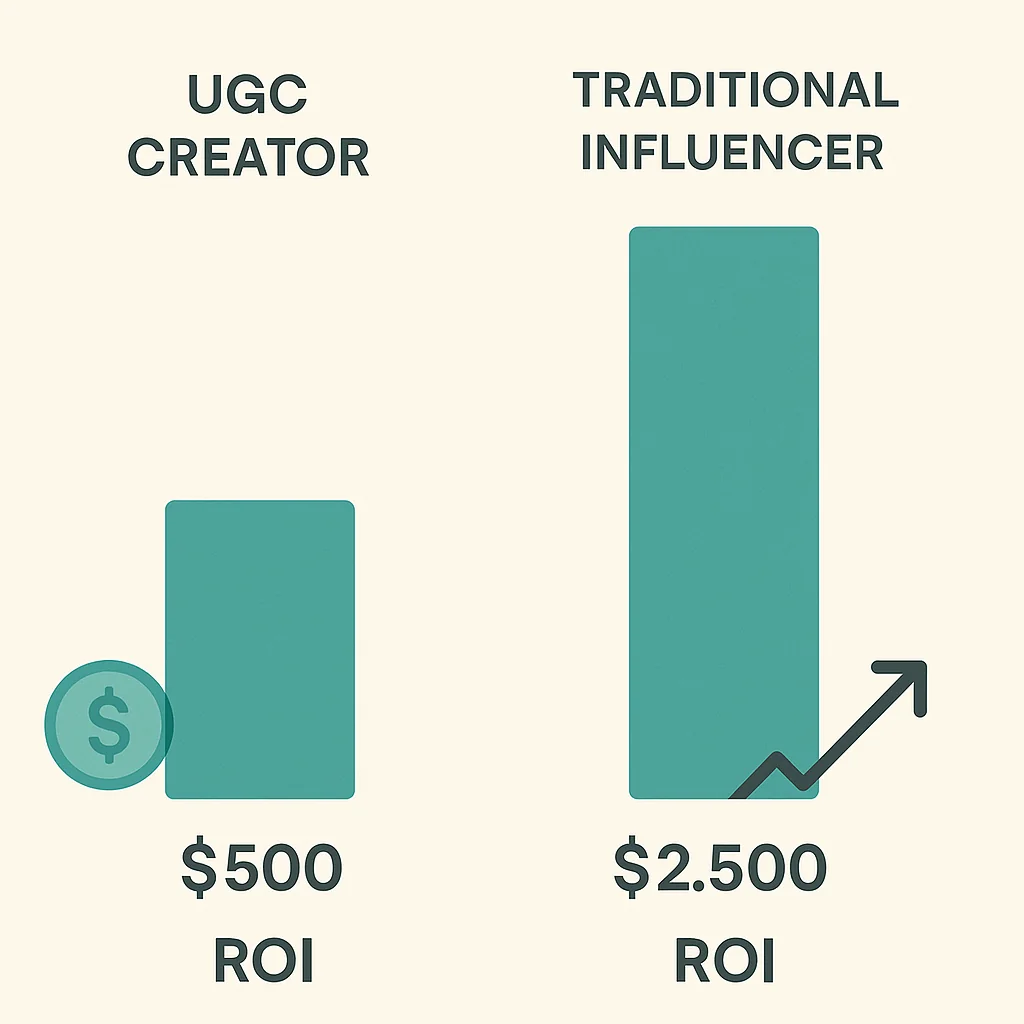
    Infographic showing a cost comparison and ROI analysis between UGC creators and traditional influencers, with clear metrics and growth icons.

    Average Costs of Hiring UGC Creators vs. Traditional Influencers

    The cost of UGC creators is typically lower than that of traditional influencers. UGC creators often charge between $100 to $500 per piece of content, depending on their experience and the complexity of the project. In contrast, traditional influencers, especially those with large followings, can command fees ranging from $1,000 to $10,000 or more per post. This significant difference in cost makes UGC creators an attractive option for brands with tighter budgets.

    ROI Metrics and Analysis

    When it comes to the ROI of influencer marketing, it’s crucial to evaluate both the immediate and long-term impacts. Traditional influencers often bring a quick spike in engagement and visibility due to their large follower base. However, UGC creators can offer a more sustainable and authentic connection with the audience, potentially leading to higher long-term engagement and brand loyalty.

    Metrics such as engagement rates, conversion rates, and customer acquisition costs should be carefully analyzed. For instance, brands have reported seeing a 20-30% increase in engagement rates when leveraging UGC content compared to traditional influencer posts. This suggests that while traditional influencers might have higher upfront costs, UGC creators can deliver a more cost-effective ROI over time.

    Case Studies of Cost-Effective Campaigns

    Several brands have successfully executed cost-effective campaigns by focusing on UGC creators. For example, a skincare brand managed to increase their sales by 25% within three months by collaborating with UGC creators who produced authentic product reviews and tutorials. The campaign’s cost was a fraction of what it would have been with traditional influencers, demonstrating the potential for higher ROI with UGC strategies.

    To illustrate further, another brand in the fashion industry leveraged UGC to boost their online presence. By partnering with micro-influencers and everyday users, they generated a wealth of relatable content that resonated with their target audience, leading to a significant uptick in website traffic and sales. Learn how UGC creators can turn their side hustle into a six-figure income.

    For a deeper understanding of the costs associated with influencer marketing, you can refer to this comprehensive industry report on influencer marketing costs.

    By evaluating these factors, brands can make informed decisions about their marketing investments, ensuring they achieve the best possible return on their expenditure.

    Having explored the cost comparison and ROI analysis between UGC creators and traditional influencers, let’s now delve into some real-world examples that highlight the power and effectiveness of UGC campaigns. These case studies provide valuable insights into the strategies employed and the remarkable results achieved.
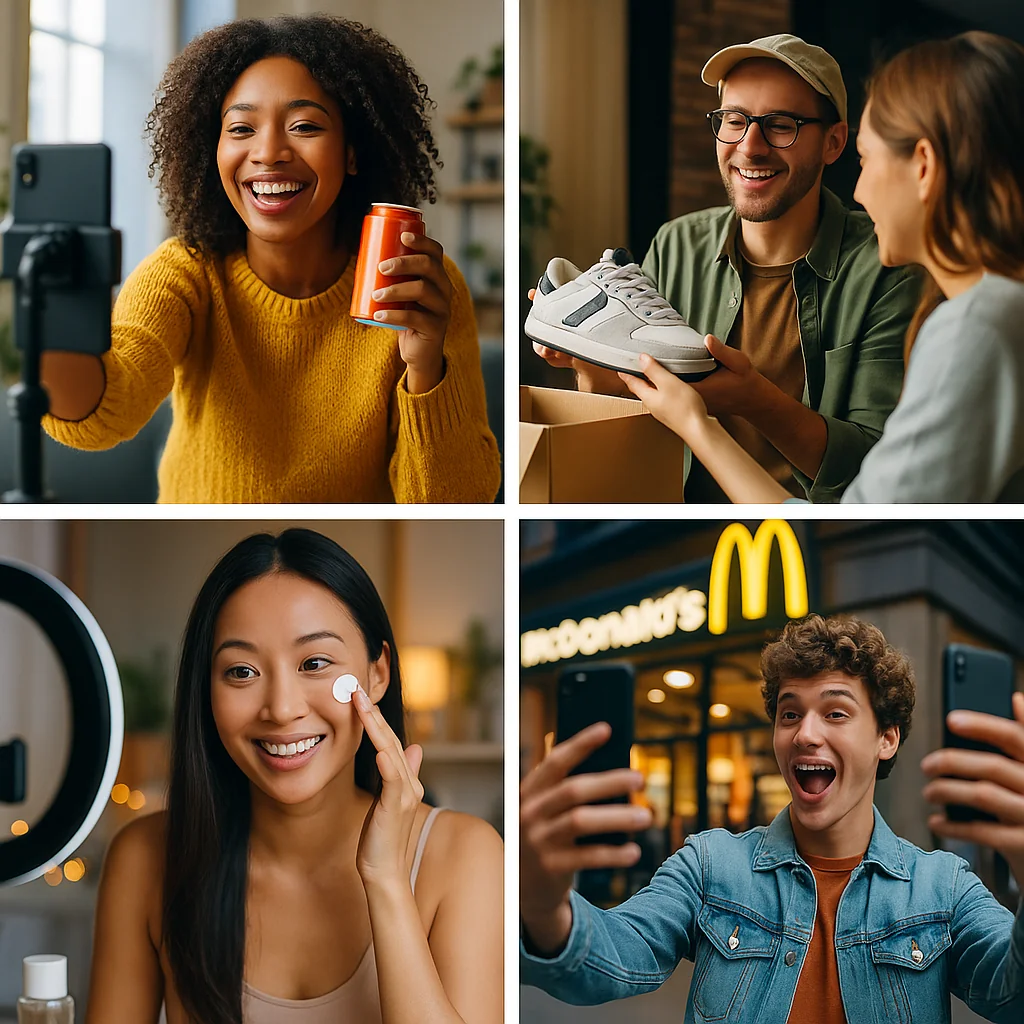
    Photorealistic montage of successful UGC campaigns with brands and creators interacting, highlighting effectiveness.

    Overview of Successful Campaigns

    Several brands have leveraged UGC creators to drive engagement and enhance their marketing efforts. These examples underscore the versatility and impact of user-generated content in today’s digital landscape.

    • GoPro: One of the most notable examples is GoPro, which has consistently encouraged its users to share content created using their products. This strategy not only showcases the product’s capabilities but also builds a community of loyal customers.
    • Starbucks: Starbucks’ White Cup Contest invited customers to decorate their cups and share their designs on social media. This campaign generated thousands of entries, boosting brand visibility and customer interaction.
    • Coca-Cola: The Share a Coke campaign, which personalized bottles with names, prompted customers to share their experiences online. This initiative significantly increased social media engagement and sales.

    Key Strategies Used

    Successful UGC campaigns often incorporate several key strategies:

    • Encouraging Participation: Brands actively invite users to contribute content, offering incentives such as contests or feature opportunities.
    • Utilizing Social Media: Platforms like Instagram, Facebook, and TikTok are central to UGC campaigns, providing a space for users to share and amplify their content.
    • Highlighting Authenticity: User-generated content is perceived as more genuine and trustworthy, enhancing brand credibility.
    • Leveraging Hashtags: Creating unique and memorable hashtags helps in organizing and tracking UGC, making it easier for both the brand and its audience to find and share content.

    Results and Impact

    The impact of UGC campaigns can be profound, leading to increased brand awareness, higher engagement rates, and improved customer loyalty.

    For instance, GoPro’s approach has resulted in a vast library of user-generated content that not only serves as effective marketing material but also fosters a strong community. Starbucks’ White Cup Contest saw a surge in social media activity, demonstrating the power of creative customer involvement. Similarly, Coca-Cola’s Share a Coke campaign led to a significant boost in both social media engagement and product sales.

    These examples clearly illustrate how UGC Creators vs. Traditional Influencers 2025 strategies can shape the future of marketing. By harnessing the creativity and authenticity of UGC, brands can achieve remarkable results that resonate deeply with their audience.

    Explore more examples of UGC creators in viral marketing campaigns.

    For a detailed analysis of top UGC campaigns, visit this resource.

    Having explored the success stories of various UGC campaigns, it’s time to delve into the practical steps of hiring and collaborating with UGC creators effectively. Understanding how to hire UGC creators in 2025 and implement the best marketing strategies is crucial for maximizing the potential of these partnerships. Let’s break down the process into manageable steps:

    Illustration showing a step-by-step guide to hiring and working with UGC creators, including finding creators, collaboration, and tools.

    Finding UGC Creators

    Identifying the right UGC creators for your brand is the first step. Start by conducting thorough research across social media platforms, such as Instagram, TikTok, and YouTube, where UGC creators are highly active. Look for creators whose content aligns with your brand values and target audience.

    Additionally, consider using specialized tools and platforms that facilitate the discovery of UGC creators. Websites like Grin offer comprehensive guides on influencer marketing tools, making the search process more streamlined.

    Best Practices for Collaboration

    Once you’ve identified potential UGC creators, the next step is effective collaboration. Here are some best practices to ensure a successful partnership:

    • Clear Communication: Establish clear and open communication channels. Specify your expectations, campaign goals, and any specific guidelines the creators need to follow.
    • Creative Freedom: Allow creators the freedom to infuse their unique style and voice into the content. This authenticity can significantly boost engagement and credibility.
    • Feedback Loop: Maintain a feedback loop where both parties can share insights and suggestions, ensuring continuous improvement and alignment with the campaign objectives.

    Tools and Platforms to Use

    Utilizing the right tools and platforms can enhance the efficiency of your collaboration. Here are some recommended options:

    • Influencer Marketing Platforms: Platforms like Grin, AspireIQ, and Upfluence offer comprehensive solutions for managing UGC creator collaborations, from discovery to analytics.
    • Project Management Tools: Tools such as Trello, Asana, and Monday.com can help keep track of tasks, deadlines, and communication, ensuring a smooth workflow.

    For those looking to understand the journey of becoming a UGC creator, check out this insightful guide to gain deeper insights into the process.

    By following these steps and leveraging the right resources, brands can effectively hire and work with UGC creators, driving impactful marketing strategies that resonate with their audience.

    After understanding the practical aspects of hiring and collaborating with UGC creators, it’s crucial to look ahead and anticipate the emerging trends and shifts in influencer marketing for 2025. As the landscape evolves, several key predictions and expert insights can guide your strategy.

    Futuristic illustration showing emerging trends and predictions for influencer marketing in 2025 with holographic charts and VR elements.

    Emerging Trends

    One of the significant influencer marketing trends 2025 involves the increasing integration of artificial intelligence and machine learning. These technologies are set to revolutionize how brands identify and engage with influencers, making the process more efficient and targeted. Additionally, augmented reality (AR) and virtual reality (VR) are gaining traction, providing immersive experiences that can enhance consumer engagement.

    Predicted Market Shifts

    Experts predict that the market will see a shift towards more authentic and relatable content. As consumers become savvier, traditional influencers might face challenges adapting to these changes, while UGC creators are poised to thrive due to their genuine connection with audiences. Furthermore, there’s an expected rise in micro and nano influencers, whose niche followings can offer higher engagement rates compared to mega influencers.

    Brands are also likely to increase investment in long-term partnerships rather than one-off collaborations. This approach fosters deeper relationships and consistent messaging, ultimately leading to better ROI and brand loyalty.
  • Rise of UGC Creators in 2025: A Comprehensive Guide

    Rise of UGC Creators in 2025: A Comprehensive Guide

    As we dive into the world of User-Generated Content (UGC) creators, it’s essential to understand how this landscape has evolved and what it means for the future. UGC creators are individuals who produce content, such as videos, photos, reviews, and blogs, without being paid by brands directly. This content is often more authentic and relatable compared to traditional influencer promotions.

    The rise of UGC creators in 2025 is a testament to the increasing value placed on genuine, grassroots-level content. Unlike traditional influencers who often have large followings and are compensated for endorsements, UGC creators generate content because of their passion and personal experiences with the products or services. This shift has been driven by consumer demand for more authenticity and transparency in marketing.

    One of the significant benefits for brands using UGC creators is the enhanced trust and credibility it brings. Consumers are more likely to trust recommendations from real users rather than paid endorsements. This can lead to higher engagement rates and more organic reach. Additionally, UGC can be a cost-effective marketing strategy, providing brands with a wealth of content without the high costs associated with traditional influencer marketing.

    Looking ahead, the trend of UGC creators is expected to continue growing. Brands will likely invest more in strategies to encourage and leverage UGC, recognizing its power in building authentic connections with their audience. Future trends may include more sophisticated tools for curating and showcasing UGC, as well as stronger community-building efforts to foster loyal brand advocates.

    Building upon the rise of UGC creators in 2025, it’s important to understand what exactly a UGC creator is and how they differ from general users. User-generated content (UGC) creators are individuals who produce and share content such as photos, videos, reviews, and blog posts that highlight their experiences with various products and services. This content is typically shared on social media platforms, blogs, and other digital channels.

    Infographic illustrating different forms of user-generated content including photos, videos, and social media posts.

    Unlike general users who might occasionally share their thoughts or experiences online, UGC creators are more consistent and intentional in their content production. They often have a specific niche or area of interest, and their content is highly relatable and authentic. This authenticity is what makes UGC so valuable to brands looking to connect with their audience in a genuine way.

    Examples of UGC content include:

    • Photos of a new outfit shared on Instagram with a personal review
    • Unboxing videos showcasing the features of a new gadget on YouTube
    • Detailed blog posts about travel experiences and tips
    • Customer reviews and ratings on e-commerce websites

    For a deeper understanding of UGC creators, check out our detailed guide.

    One key difference between UGC creators and traditional influencers is the scale and nature of their influence. While influencers often have a large following and work with brands in a more commercial capacity, UGC creators may not necessarily have a massive audience. However, their content is perceived as more trustworthy and relatable because it originates from genuine user experiences.

    To learn more about the impact of user-generated content, refer to this high-quality study on the definition and impact of UGC.

    Understanding the distinction and value of UGC creators is crucial for brands looking to leverage the power of user-generated content in 2025. Next, we’ll explore the differences between UGC creators and traditional influencers in more detail.

    Building on our introduction to UGC creators, it’s essential to understand why 2025 is a pivotal year for user-generated content (UGC). The rise of UGC creators in 2025 is not just a trend but a significant shift in the digital landscape.

    Illustration of a graph showing the rise of UGC creators in 2025 with social media icons and e-commerce symbols.

    Statistics on UGC Growth

    The growth of UGC has been nothing short of remarkable. Recent studies indicate that UGC will account for over 50% of all content consumed on social media platforms by 2025. This surge is reflective of the increasing preference for authentic and relatable content among users. For instance, platforms like Instagram and TikTok have reported a 30% increase in user engagement with UGC posts compared to branded content.

    Factors Driving the Rise

    Several factors are fueling the rise of UGC creators in 2025. Firstly, the shift towards authenticity in marketing has made UGC more appealing. Consumers today seek genuine experiences and reviews from real people rather than polished advertisements. Additionally, advancements in technology, such as high-quality smartphone cameras and user-friendly editing tools, have empowered more individuals to create and share content. Social media algorithms also favor UGC, giving it more visibility and reach.

    Impact on Social Media and E-commerce

    The impact of UGC on social media and e-commerce is profound. On social media, UGC fosters community and engagement, driving higher interaction rates. Brands leveraging UGC see increased trust and loyalty from their audiences. In e-commerce, UGC, such as customer reviews and unboxing videos, significantly influences purchasing decisions. According to a recent study by Deloitte, 79% of consumers say UGC highly impacts their buying choices.

    As we delve deeper into the dynamics of UGC creators, it’s important to stay updated on the platforms where UGC is thriving. Learn more about the top social media platforms where UGC is thriving.

    Next, we will explore the distinctions between UGC creators and traditional influencers and how these differences shape marketing strategies.

    Building on the explosive growth of UGC creators in 2025, it’s essential to understand how these new-age content creators compare to traditional influencers. The landscape of content creation has evolved dramatically, and the differences between UGC creators and traditional influencers are noteworthy.

    Infographic comparing UGC creators and traditional influencers, highlighting key differences in content creation and engagement.

    Key Differences in Content Creation

    One of the primary distinctions in the UGC vs influencers debate lies in the nature of content creation. Traditional influencers typically create polished, brand-aligned content that often resembles professional advertising. In contrast, UGC creators focus on generating authentic, grassroots content that resonates more naturally with their audience. This shift towards authenticity helps brands connect with consumers on a more personal level.

    Authenticity and Audience Engagement

    Authenticity is a critical factor where UGC creators outshine traditional influencers. UGC creators often produce content that feels genuine and relatable, fostering a deeper sense of trust and connection with their audience. This enhanced engagement is vital for brands looking to build a loyal customer base. Micro-influencers, a subset of UGC creators, are particularly effective in this regard due to their niche focus and highly engaged followers.

    Cost-Effectiveness for Brands

    When it comes to budget considerations, UGC creators offer a more cost-effective solution for brands. Traditional influencers often command high fees for their services, which can be prohibitive for smaller companies. UGC creators, on the other hand, typically operate with lower costs, making them an attractive option for businesses looking to maximize their marketing ROI. Additionally, leveraging UGC can lead to a higher volume of content, providing more opportunities for brands to connect with their audience.

    For a more in-depth comparison and to discover why UGC creators are becoming more valuable than traditional influencers, click here. Furthermore, studies have shown the effectiveness of UGC in engaging audiences compared to traditional influencer marketing. For detailed insights, visit this comprehensive guide.

    After understanding the key differences between UGC creators and traditional influencers, it becomes evident why brands are increasingly leaning towards user-generated content. Let’s delve into the specific benefits of UGC creators for brands that are driving this shift.

    A marketing team analyzing user-generated content on a large screen, showcasing the benefits of using UGC creators for brands.

    Increased Authenticity and Trust

    One of the most compelling benefits of UGC is the heightened sense of authenticity it brings. Since UGC creators are everyday consumers, their content resonates more deeply with audiences, fostering a stronger sense of trust. People tend to trust recommendations from peers over traditional advertisements, making authentic marketing a powerful tool for brands.

    Higher Engagement Rates

    UGC often leads to higher engagement rates compared to branded content. Users are more likely to interact with content that feels genuine and relatable. This increased engagement not only boosts brand visibility but also enhances the overall customer experience. By leveraging UGC, brands can foster a community of engaged and loyal customers.

    Cost Savings

    Another significant advantage is the potential for cost savings. Engaging with UGC creators is typically more cost-effective than partnering with high-profile influencers or producing professional marketing campaigns. This allows brands to allocate their budget more efficiently, investing in other critical areas of their marketing strategy.

    Scalability of Content

    UGC provides a scalable content solution. Brands can gather a vast amount of content from various creators, making it easier to maintain a consistent and diverse online presence. This scalability ensures that there is always fresh content available to share across different channels. To understand how to optimize UGC for different social media platforms, you can read more here.

    In conclusion, the benefits of UGC creators extend well beyond mere cost savings. They offer a unique blend of authenticity, engagement, and scalability that traditional marketing methods often lack. For further insights on how brands have successfully harnessed the power of UGC creators, visit this resource.

    Building on the numerous benefits brands can gain from using UGC creators, it’s essential to understand how to effectively leverage these creators to maximize your marketing efforts. Here are some best practices to consider:

    Infographic showing best practices for leveraging UGC creators, with icons and brief descriptions for each step.

    Identifying the Right UGC Creators

    Finding the right UGC creators is the cornerstone of any successful UGC marketing strategy. Begin by researching creators who resonate with your brand values and have a genuine connection with your target audience. Look for creators who produce high-quality content and have a strong engagement rate. Tools like social media analytics can help you identify potential UGC creators who align with your brand.

    Creating a UGC Strategy

    Developing a comprehensive UGC strategy is crucial. Start by setting clear goals for what you want to achieve with UGC. Whether it’s increasing brand awareness, driving engagement, or boosting conversions, having specific objectives will guide your efforts. Next, outline the types of content you want, such as reviews, tutorials, or unboxings. Provide clear guidelines to UGC creators to ensure the content aligns with your brand’s voice and style.

    For more detailed guidance on building an effective UGC strategy, explore this comprehensive guide.

    Measuring Success

    To gauge the effectiveness of your UGC marketing strategies, it’s important to measure success using key performance indicators (KPIs). Track metrics such as engagement rates, click-through rates, and conversions to understand the impact of UGC on your overall marketing goals. Regularly analyze this data to refine your strategy and optimize future campaigns.

    Ensuring Authenticity and Quality

    Authenticity is vital when working with UGC creators. Encourage creators to share genuine experiences and honest opinions about your products or services. This builds trust with your audience and enhances the credibility of your brand. Additionally, ensure that the content maintains a high level of quality by providing creators with clear guidelines and constructive feedback.

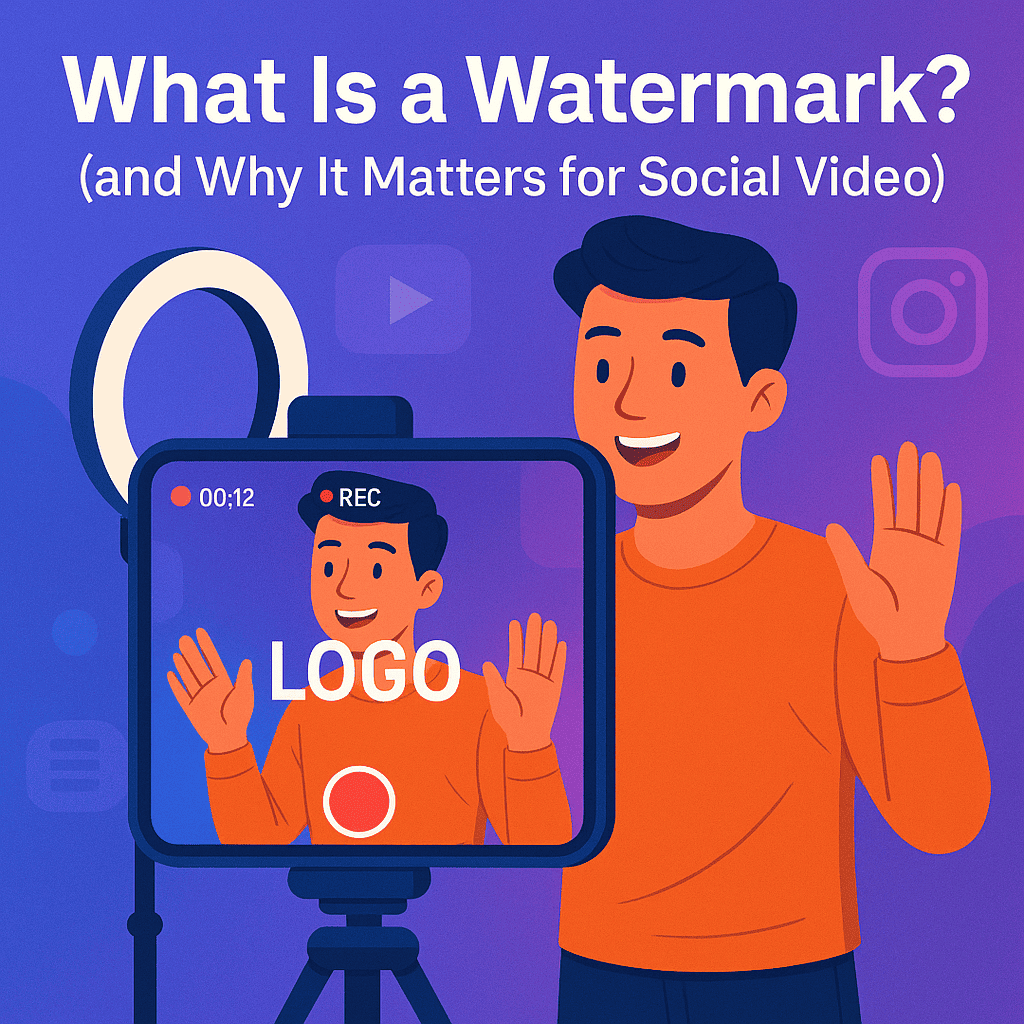
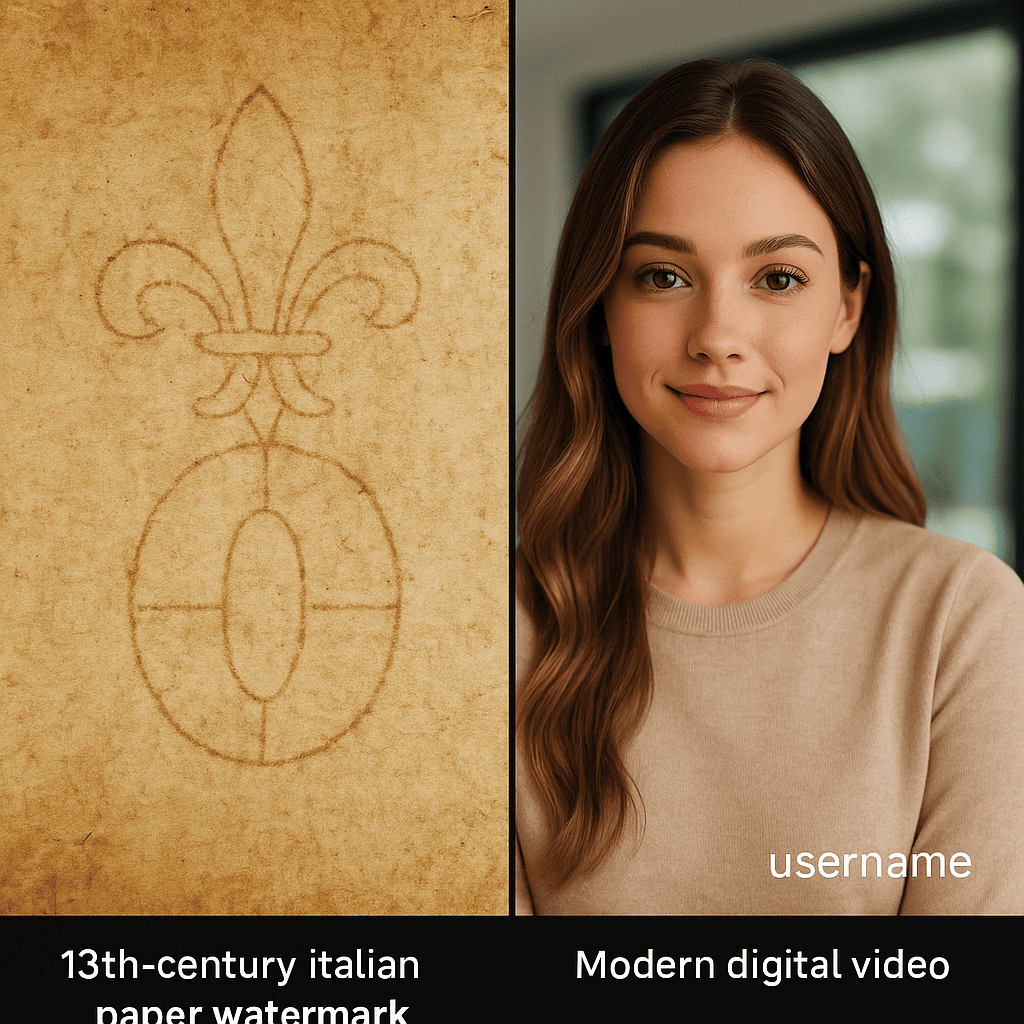
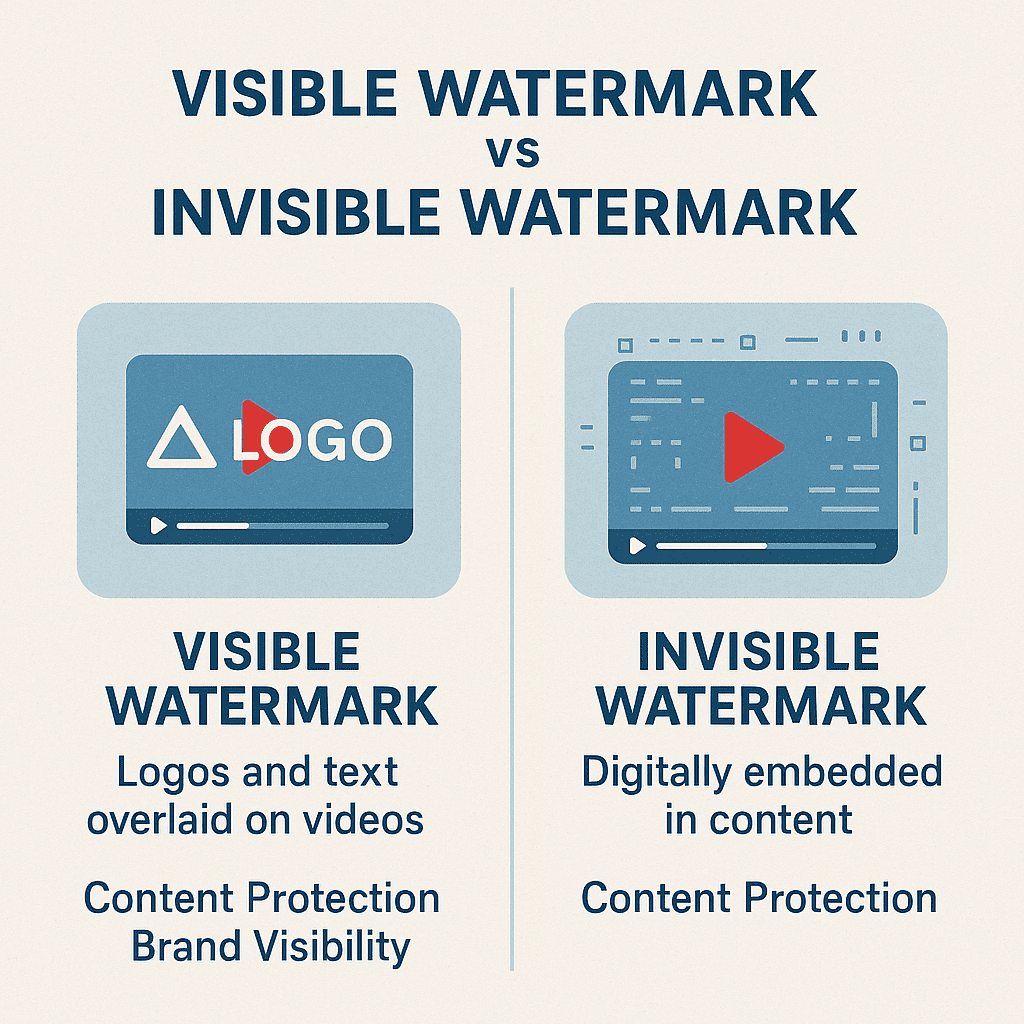
    Learn how to protect your UGC content with watermarks to maintain its integrity and prevent unauthorized use.

    By following these best practices, brands can effectively harness the power of UGC creators to drive engagement, build trust, and achieve their marketing objectives.

    Building on the best practices for leveraging UGC creators, let’s now delve into concrete examples that illustrate the power of user-generated content in action. In this section, we’ll explore two prominent case studies that highlight successful UGC campaigns in 2025 and the valuable lessons they offer.

    Collage of highlights from successful UGC campaigns by various brands, showcasing the effectiveness of user-generated content.

    Case Study 1: Brand X

    Brand X, a leading fashion retailer, launched a UGC campaign to promote their new summer collection. They encouraged customers to share photos of themselves wearing Brand X apparel on Instagram, using the hashtag #BrandXStyle. The campaign quickly gained traction, with thousands of users participating and sharing their unique styles. This not only increased brand visibility but also fostered a sense of community among Brand X’s customers.

    One of the key factors in the success of this campaign was Brand X’s proactive engagement. They featured the best user-generated content on their official Instagram page and website, giving participants a sense of recognition and encouraging more users to join in. The campaign significantly boosted the brand’s social media following and drove a 20% increase in sales during the promotion period.

    Case Study 2: Brand Y

    Brand Y, a tech company, implemented a UGC campaign to celebrate the launch of their latest gadget. They asked customers to create short videos demonstrating how they use the new product in their daily lives and share them on TikTok with the hashtag #TechLifeY. The campaign went viral, with hundreds of creative and authentic videos flooding the platform.

    Brand Y’s approach was to collaborate with micro-influencers to kickstart the campaign and amplify its reach. By leveraging the power of relatable and authentic content created by real users, Brand Y managed to build trust and authenticity around their new product. The campaign resulted in a 35% uptick in engagement on their social media channels and a notable increase in pre-orders.

    Lessons Learned

    From these successful UGC campaigns in 2025, several key lessons emerge:

    • Engagement and Recognition: Actively engaging with users and recognizing their contributions can significantly enhance the campaign’s impact.
    • Hashtag Strategy: Creating a unique and memorable hashtag helps in tracking and promoting user-generated content effectively.
    • Collaboration with Micro-Influencers: Partnering with micro-influencers can boost the campaign’s initial momentum and reach.
    • Authenticity: Authentic content resonates more with audiences, building trust and fostering genuine connections with the brand.

    For further insights on how to craft impactful UGC campaigns, explore these in-depth case studies.

  • UGC Creators Viral Marketing Campaigns: Ultimate Guide

    UGC Creators Viral Marketing Campaigns: Ultimate Guide

    Welcome to the ultimate guide on UGC Creators Viral Marketing Campaigns. User-Generated Content (UGC) is a powerful tool in the modern marketer’s arsenal. Its importance lies in its authenticity and the trust it builds with audiences. When users create content about a brand, it serves as a genuine endorsement, which can significantly influence potential customers.

    In this guide, we will explore the best practices for creating compelling UGC campaigns. From encouraging creativity in your audience to ensuring their content aligns with your brand’s message, these practices help in crafting campaigns that resonate deeply with your target market.

    We’ll also delve into the top platforms for UGC marketing. Social media giants like Instagram, TikTok, and YouTube are prime venues for UGC, each offering unique ways to engage with users and amplify their content. Understanding the nuances of these platforms will empower you to select the best fit for your campaign.

    Finally, measuring the success of UGC campaigns is crucial. Metrics such as engagement rates, reach, and conversion rates provide insights into how well your campaign is performing and areas that may need adjustment. By the end of this guide, you’ll be equipped with the knowledge and strategies to leverage UGC effectively, turning your audience into powerful brand advocates.

    Building on our ultimate guide to UGC Creators Viral Marketing Campaigns, it’s essential to understand the foundation of user-generated content (UGC) and its significance in today’s marketing landscape. Let’s dive into what UGC is and why it matters.

    Illustration of a megaphone surrounded by user-generated content elements, highlighting the importance of UGC in marketing.

    Definition of UGC

    User-generated content (UGC) refers to any form of content—such as images, videos, text, and audio—created by consumers rather than brands. This content is often shared on social media platforms, product reviews, and other online forums, making it a powerful tool for marketing campaigns. UGC can organically promote a brand and foster a sense of community among its audience.

    Benefits of UGC for Brands

    Integrating UGC into marketing strategies offers numerous advantages:

    • Authenticity: UGC provides genuine and relatable content, which is more likely to resonate with potential customers compared to branded advertisements.
    • Engagement: UGC encourages interaction and discussion among users, leading to increased engagement rates on social media platforms.
    • Cost-effective: Leveraging user-generated content can reduce the need for expensive marketing campaigns, as the content creation is crowd-sourced.
    • Trust and Credibility: Potential customers are more likely to trust reviews and content from other users rather than traditional advertising methods.

    Examples of Successful UGC Campaigns

    Many brands have seen tremendous success by incorporating UGC into their marketing strategies. For instance, the famous “Share a Coke” campaign by Coca-Cola encouraged consumers to share photos of themselves with personalized Coke bottles on social media. This not only increased brand visibility but also fostered a personal connection with the audience.

    Another notable example is the GoPro Awards, where the brand invites users to submit their best action shots and videos, showcasing the high-quality content captured using their products. This approach has significantly bolstered GoPro’s brand image and community engagement.

    Understanding these elements is crucial for effectively leveraging UGC in your marketing efforts. For a deeper dive into related core concepts, you can explore our guide on UGC creators. Additionally, a high-quality study on the impact of UGC in marketing provides valuable insights into its effectiveness.

    Now that you understand the importance of user-generated content (UGC) in your marketing strategy, it’s time to delve into best practices for creating UGC content that truly resonates with your audience. Let’s explore how you can inspire customers, ensure quality, and effectively incentivize participation.

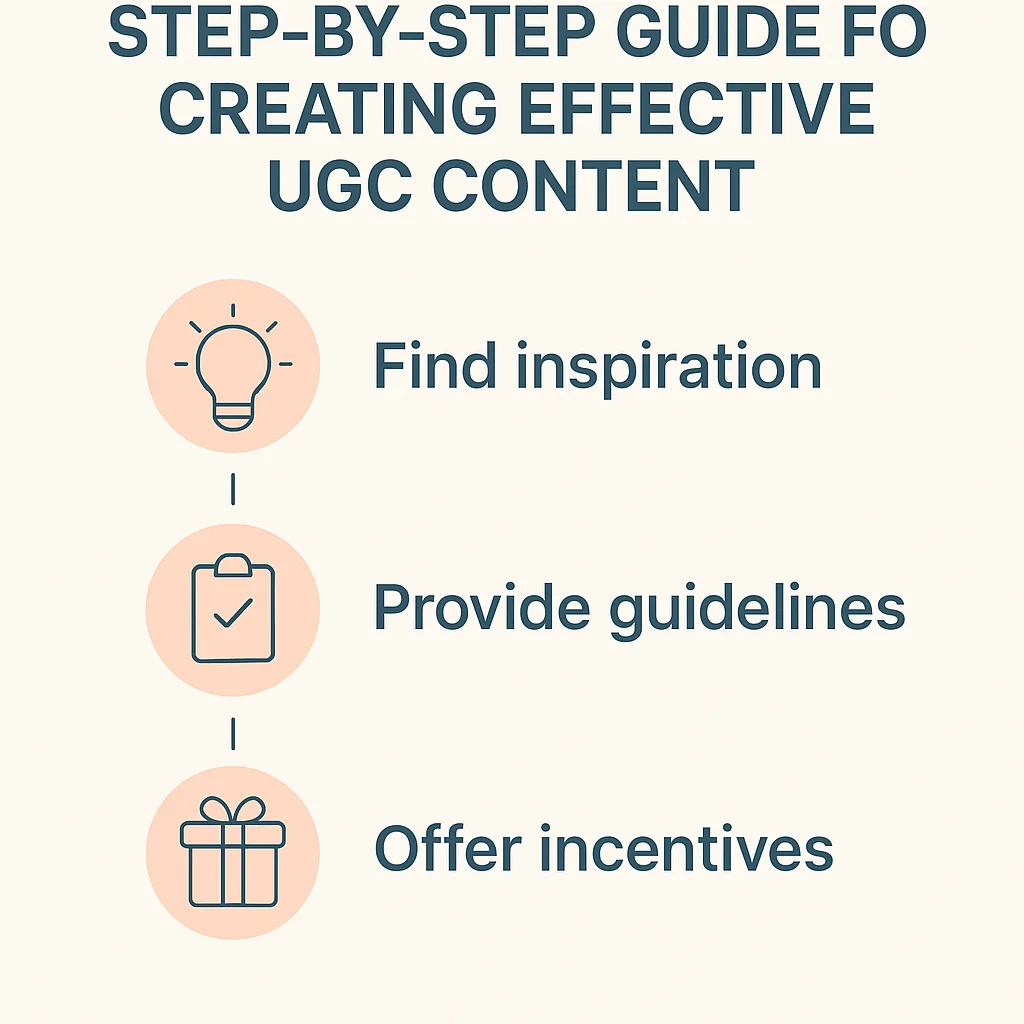
    Infographic detailing best practices for creating effective UGC content, including inspiration, guidelines, and incentives.

    How to Inspire Customers to Create Content

    Inspiring customers to create content starts with engaging them authentically. Share stories, run contests, and encourage them to showcase their experiences with your products. For instance, ask customers to share photos or videos using a specific hashtag related to your brand. This not only helps in generating content but also builds a community around your brand.

    Guidelines for Quality UGC

    Setting clear guidelines is crucial to ensure the UGC aligns with your brand’s standards. Provide customers with tips on lighting, framing, and content themes to maintain consistency. Additionally, educate them on the importance of proper video formatting and watermark usage. For detailed instructions, you can reference our guide on social video watermarks.

    Quality content not only enhances your brand’s image but also increases the likelihood of your UGC creators’ viral marketing campaigns achieving success.

    Incentivizing UGC Participation

    Offering incentives is an effective way to encourage your audience to participate in creating UGC content. Consider running campaigns where participants can win discounts, exclusive access, or even monetary rewards. For example, a photo contest with a prize for the best submission can drive significant engagement. Ensure that the incentives are valuable enough to motivate users while also aligning with your brand’s goals.

    For a comprehensive guide on content creation best practices, you can check out this resource.

    By implementing these best practices, you can foster a thriving community of content creators who help amplify your brand’s message and drive engagement through compelling UGC.

    Now that we have explored the best practices for creating UGC content, it’s crucial to understand where to effectively share and promote this content. Selecting the right UGC platforms can significantly impact the reach and success of your viral marketing campaigns.

    Digital interface showcasing various UGC platforms like Instagram, TikTok, Yelp, and TripAdvisor, highlighting their features for marketing.

    Overview of Popular UGC Platforms

    Several platforms stand out when it comes to user-generated content. Each offers unique features and caters to different audience types. Here are some of the most popular:

    • Instagram: Known for its visual appeal, Instagram is perfect for sharing photos and short videos. Its Stories feature is excellent for engaging users with ephemeral content.
    • Twitter: Ideal for real-time updates and conversations, Twitter is great for UGC campaigns that thrive on quick interactions and trending topics.
    • Facebook: With its extensive user base, Facebook is versatile for various content types, including text, images, and videos.
    • YouTube: The go-to platform for video content, YouTube allows for longer, more in-depth user-generated content that can reach a broader audience.
    • TikTok: This platform is perfect for short, creative videos that can quickly go viral, making it a favorite among younger audiences.

    Pros and Cons of Each Platform

    Each platform has its strengths and weaknesses, and understanding these can help you choose the right one for your campaign:

    • Instagram
      • Pros: High engagement rates, visual-centric, and strong influencer presence.
      • Cons: Algorithm changes can affect visibility, and it requires high-quality visuals.
    • Twitter
      • Pros: Real-time engagement, trending topics, and hashtags.
      • Cons: Content lifespan is short, and it can be challenging to stand out.
    • Facebook
      • Pros: Large user base, diverse content types, and robust advertising options.
      • Cons: Organic reach is declining, and it can be harder to target younger demographics.
    • YouTube
      • Pros: Long-form content, high potential for virality, and monetization options.
      • Cons: High production value needed, and it requires consistent content creation.
    • TikTok
      • Pros: High virality potential, creative freedom, and strong engagement with younger audiences.
      • Cons: Content is short-lived, and it can be challenging to maintain relevance.

    Platform-Specific Tips

    To maximize the impact of your UGC campaigns on these platforms, consider these tips:

    • Instagram: Utilize IGTV and Stories to keep your audience engaged with varied content types.
    • Twitter: Leverage trending hashtags and participate in real-time conversations to boost visibility.
    • Facebook: Create Facebook Groups to foster community engagement and use Facebook Live for interactive content.
    • YouTube: Optimize video titles, descriptions, and tags for better searchability and engagement.
    • TikTok: Keep up with trending challenges and sounds to stay relevant and boost your content’s discoverability.

    For a deeper dive into the specific features and user experiences of these platforms, you can check out our guide on social media image sizes.

    Having explored the top platforms for UGC marketing, it’s time to delve into some real-world examples that highlight the effectiveness of well-executed campaigns. Below, we examine two case studies that demonstrate UGC campaign success and viral marketing, providing invaluable insights.

    Marketing team analyzing data on successful UGC campaigns from Brand X and Brand Y, showcasing key takeaways.

    Case Study 1: Brand X’s Viral Campaign

    Brand X launched a UGC campaign that encouraged customers to share their unique experiences using a specific hashtag. This initiative quickly gained traction on social media, resulting in thousands of posts and a significant increase in brand visibility.

    • Strategy: The brand leveraged influencers to kickstart the campaign, ensuring a broad initial reach.
    • Execution: By offering incentives and featuring user-generated content on their official pages, Brand X maintained high engagement levels.
    • Outcome: The campaign went viral, leading to a 30% increase in sales and a substantial boost in social media followers.

    Case Study 2: Brand Y’s Engagement Strategy

    Brand Y focused on building a community around their product by encouraging users to share their stories and experiences. This strategy fostered a sense of belonging and loyalty among customers.

    • Strategy: The campaign emphasized storytelling, with users submitting videos and photos that depicted their personal journeys with the product.
    • Execution: Brand Y used these stories in their marketing materials, showcasing real customers and their authentic experiences.
    • Outcome: The campaign saw a 25% increase in user engagement and a notable rise in customer retention rates.

    Lessons Learned and Key Takeaways

    Both of these campaigns highlight the power of user-generated content in creating authentic connections with audiences. The key takeaways include:

    • Leverage Influencers: Partnering with influencers can help amplify your UGC campaign success.
    • Encourage Authenticity: Genuine stories resonate more with audiences, driving higher engagement levels.
    • Offer Incentives: Providing rewards can motivate users to participate and share their content.

    For more high-quality case studies on UGC campaigns, check out this resource.

    When showcasing successful campaigns, we can reference our guide on social media image sizes to ensure all visuals are optimized for each platform.

    After exploring various successful UGC campaigns, it’s essential to understand how to effectively manage and coordinate with UGC creators to ensure your campaign’s success. Here are some tips to help you navigate this crucial aspect:

    Illustration of a manager coordinating with UGC creators using digital tools, highlighting best practices for effective collaboration.

    Finding and Hiring UGC Creators

    Identifying the right UGC creators is the first step in your UGC Creators Viral Marketing Campaigns. Look for creators who align with your brand values and have a genuine connection with your target audience. Platforms like Instagram, TikTok, and YouTube are great places to start your search. Utilize hashtags, explore pages, and influencer databases to find potential creators.

    Once you’ve shortlisted candidates, reach out to them with personalized messages explaining why you think they would be a great fit for your campaign. Be clear about your expectations and what they can gain from this partnership. For more insights on how to build strong relationships with creators, check out our guide on building strong partnerships.

    Building Strong Relationships

    Maintaining a healthy and productive relationship with your UGC creators is pivotal. Communicate openly and regularly to ensure both parties are on the same page. Share your campaign goals, provide feedback, and show appreciation for their efforts. Personal anecdotes and interactive elements can foster a deeper connection, making creators feel valued and motivated.

    Regularly engage with their content, comment, and share their posts to show support. This not only boosts their morale but also strengthens your collaboration. Remember, a happy creator is more likely to produce high-quality content consistently.

    Ensuring Consistent Content Quality

    Consistency in content quality is crucial for the success of any UGC campaign. Set clear guidelines and provide examples of the type of content you expect. Be specific about the tone, style, and any brand elements that need to be included. Regularly review the content to ensure it meets your standards and provide constructive feedback when necessary.

    Consider using tools to manage and organize content creation processes. For more detailed strategies on managing content creators, visit this comprehensive guide.

    By finding the right creators, building strong relationships, and ensuring consistent content quality, you can effectively manage UGC creators and maximize the impact of your viral marketing campaigns.

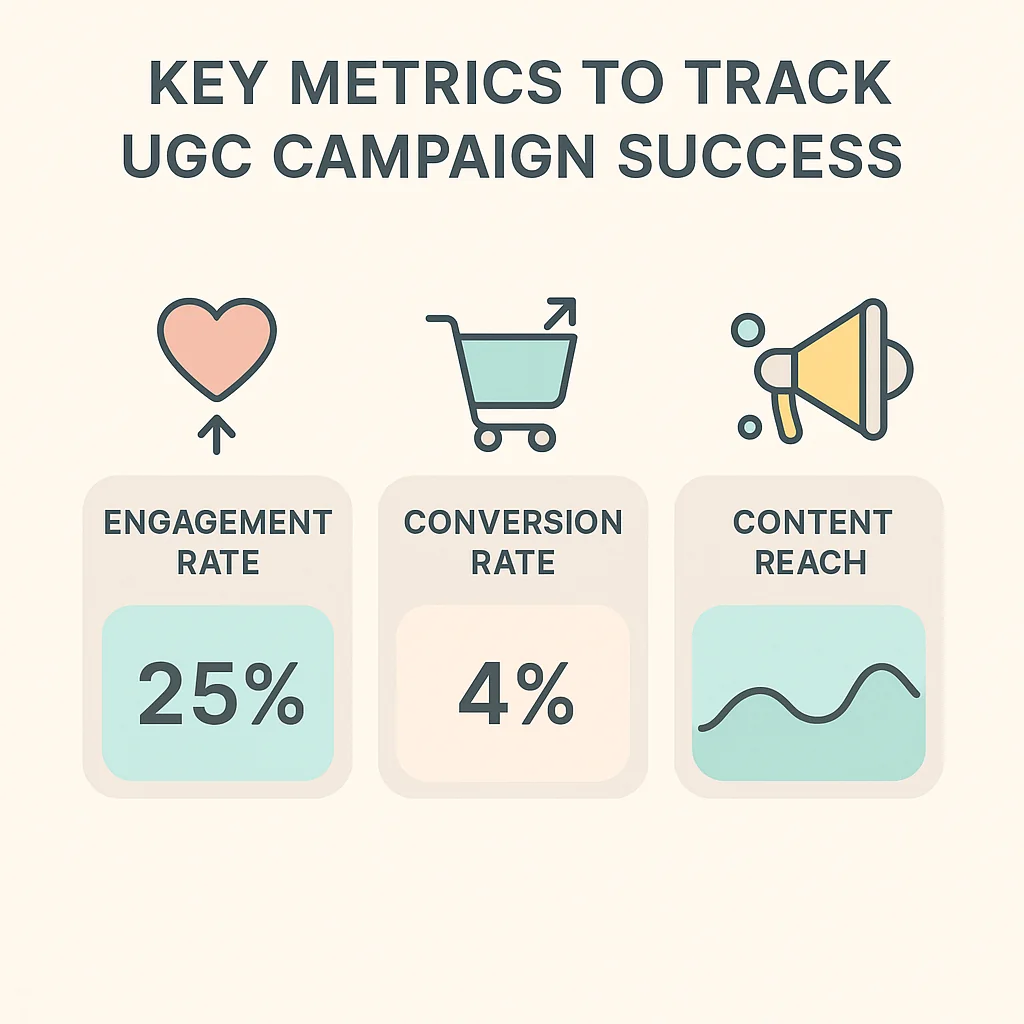
    After effectively managing and coordinating with UGC creators, it’s crucial to understand how to measure the success of your UGC campaigns. Here, we’ll delve into the key metrics to track, the tools available for measuring UGC success, and how to interpret results to make necessary improvements.

    Infographic detailing key metrics for measuring the success of UGC campaigns, including engagement rates and conversion rates.

    Key Metrics to Track

    To gauge your UGC campaign success, you need to focus on several critical metrics:

    • Engagement: Track likes, comments, shares, and overall interaction with your UGC. High engagement indicates that your content resonates well with your audience.
    • Reach: Measure the number of unique users who have seen your content. A broad reach can enhance your brand’s visibility and awareness.
    • Conversion Rate: Look at how many users take a desired action, such as signing up for a newsletter or making a purchase, after interacting with your UGC.
    • Sentiment Analysis: Analyze the tone of comments and feedback to understand how your audience feels about your content.
  • UGC Creator Side Hustle to Six Figures: Your Ultimate Guide

    UGC Creator Side Hustle to Six Figures: Your Ultimate Guide

    Embarking on the journey to becoming a UGC creator can be both thrilling and overwhelming. As you consider this side hustle, it’s crucial to understand the initial steps and strategies that can lead you to six-figure success. Let’s dive into the essential elements that will set you on the right path.

    First, identify your niche. Your content should resonate with a specific audience, so choose a niche that aligns with your interests and expertise. This will make content creation more enjoyable and sustainable in the long run.

    Next, gather the necessary tools and platforms. High-quality content often requires investment in good equipment such as cameras, microphones, and editing software. Additionally, familiarize yourself with platforms like Instagram, TikTok, and YouTube where UGC thrives.

    Building and growing your audience is a pivotal step. Engage with your followers through interactive elements like quizzes, polls, and community shout-outs. Share personal success stories to inspire and connect with your audience on a deeper level. Consistent posting and authentic interactions are key to audience growth.

    To monetize your content effectively, consider various strategies such as brand partnerships, sponsored posts, and affiliate marketing. Diversifying your income streams will help you achieve financial stability and growth.

    Balancing content creation with life is essential to avoid burnout. Establish a content schedule that allows you to maintain a healthy work-life balance. Prioritize tasks and set realistic goals to ensure you can sustain your creative efforts without compromising your personal well-being.

    Starting your journey as a UGC creator can be incredibly rewarding. With dedication, effective strategies, and a focus on balance, you can transform your side hustle into a thriving six-figure career. Ready to take the next step? Let’s continue with an in-depth look at the tools and platforms you’ll need.

    As you embark on this journey to transform your UGC Creator Side Hustle to Six Figures, it’s crucial to understand the foundation of User-Generated Content (UGC). UGC is any content—such as videos, images, blog posts, and reviews—created by people rather than brands. This grassroots form of content creation is not only authentic but also incredibly influential.

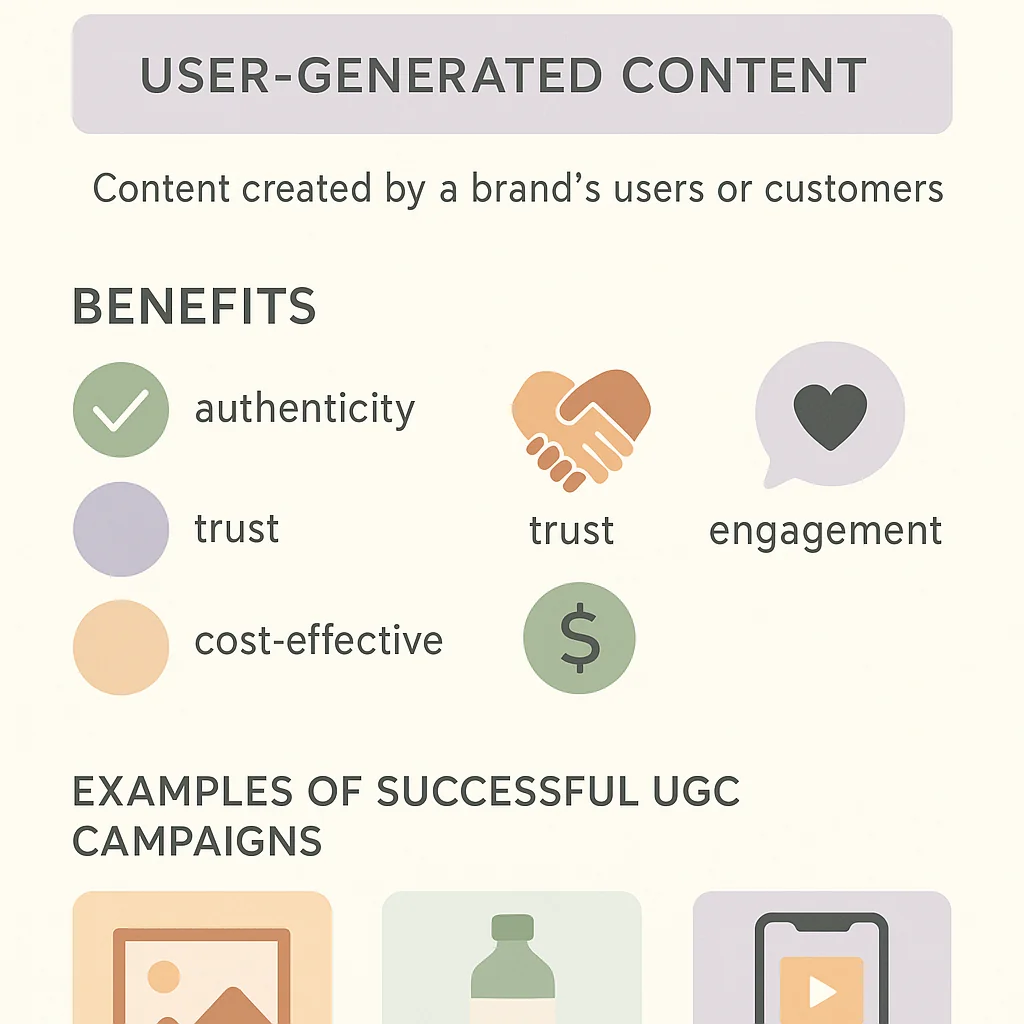
    Infographic explaining the definition and benefits of UGC with examples of successful UGC campaigns.

    One of the many benefits of UGC is its ability to build trust and engagement. For creators, it provides a platform to showcase creativity and connect with a wider audience. For brands, UGC serves as a powerful marketing tool that can drive authenticity and consumer trust. According to a high-quality study on the impact of UGC in marketing, consumers are more likely to trust content created by other users over traditional advertisements.

    There are numerous successful examples of UGC that highlight its potential. Take, for instance, the #ShotOniPhone campaign by Apple, which showcases photos taken by everyday users, or Starbucks’ White Cup Contest, which encouraged customers to decorate their cups and share them on social media. These campaigns not only engaged audiences but also generated a plethora of creative content that resonated with the public.

    Are you wondering how to become a UGC creator? Start by identifying your niche and creating content that reflects your unique perspective. For more insights into the power of UGC, check out our article on UGC creators as social media goldmine. This will provide you with a deeper understanding of how UGC can be leveraged to build a successful side hustle.

    With this foundational knowledge, you’re now ready to dive into the tools and platforms that will kickstart your UGC creation journey. Let’s continue to uncover the steps to transform your passion into a lucrative venture.

    Now that you have a foundational understanding of UGC creation, let’s dive into the essential tools and platforms to get you started on your journey to becoming a successful UGC creator. Equipping yourself with the right tools and choosing the best platforms can significantly enhance your efficiency and visibility.

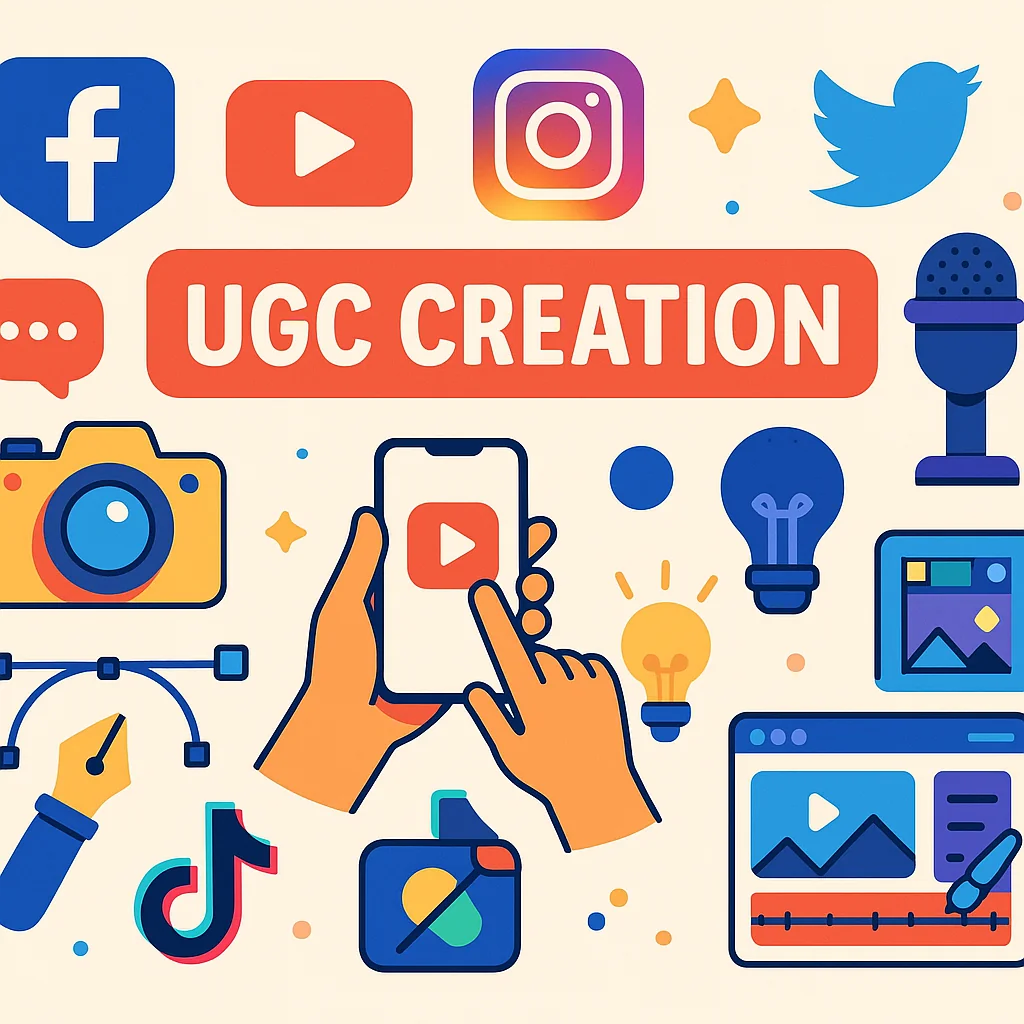
    Illustration of various tools and platforms for UGC creation, including social media icons and digital tools.

    Essential Tools for UGC Creation

    To kick off your UGC Creator Side Hustle to Six Figures, you will need a set of essential tools that streamline the content creation process:

    • Camera and Microphone: High-quality visuals and audio can make a significant difference. Consider investing in a good camera and microphone to ensure your content stands out.
    • Editing Software: Tools like Adobe Premiere Pro, Final Cut Pro, or even free options like DaVinci Resolve can help you polish your videos.
    • Graphic Design Tools: Canva and Adobe Spark are excellent for creating eye-catching thumbnails and social media graphics.
    • Content Planning Tools: Trello and Asana can help you organize your content calendar and stay on top of deadlines.

    Best Platforms for UGC Creators

    Choosing the right platform is crucial for reaching your target audience and maximizing engagement. Here are some of the best platforms for UGC creators:

    • YouTube: Ideal for long-form video content, tutorials, and vlogs.
    • Instagram: Perfect for visual content, stories, and short videos.
    • TikTok: Excellent for short, engaging videos and trending challenges.
    • Reddit: Great for niche communities and discussion-based content.
    • Medium: Best for written content such as articles and blogs.

    Learn more about the top platforms for UGC creators in our detailed guide.

    Setting Up Your Profiles and Portfolios

    Once you have selected your tools and platforms, it’s time to set up your profiles and portfolios. Start by creating professional and engaging profiles on your chosen platforms. Ensure your bio clearly communicates who you are and what kind of content you create.

    Next, curate a portfolio showcasing your best work. This could be a collection of your top videos, articles, or social media posts. A well-organized portfolio not only showcases your skills but also helps attract potential partnerships and collaborations.

    For a detailed comparison of popular UGC creation tools, check out this comprehensive table on Reddit.

    With the right tools, platforms, and a polished profile, you’re well on your way to building and growing your audience, which we will explore in the next section.

    After familiarizing yourself with the essential tools and platforms for UGC creation, it’s time to focus on building and growing your audience. This crucial step can transform your UGC Creator Side Hustle to Six Figures. Here are some effective strategies to help you grow your UGC audience:

    Content Planning and Consistency

    One of the key aspects of growing your audience is having a well-thought-out content plan and maintaining consistency. Create a content calendar to map out your posts in advance. This helps you stay organized and ensures you consistently deliver high-quality content. Aim for a balance between trending topics and evergreen content to keep your audience engaged. Remember, consistency builds trust and keeps your followers coming back for more.

    Engagement Tactics

    Engagement is vital for audience growth. Actively interact with your followers by responding to comments, asking questions, and conducting polls or quizzes. Personal success stories can also resonate well with your audience, making them feel more connected to you. Additionally, community shout-outs can foster a sense of belonging among your followers. These tactics not only boost your visibility but also help create a loyal and interactive community.

    Leveraging Social Media Algorithms

    Understanding and leveraging social media algorithms can significantly impact your audience growth. Each platform has its own set of rules for content visibility. Stay updated on these algorithms to maximize your reach. For example, Instagram and TikTok favor content that garners quick engagement, so aim to create compelling posts that prompt immediate interaction. Optimize your social media posts with the correct image sizes using our guide.

    For a deeper dive into high-quality study on social media growth strategies, check out this comprehensive resource.

    With these strategies, you are well on your way to building a thriving and engaged audience. The next section will explore various monetization strategies to help you turn your growing audience into a lucrative UGC Creator Side Hustle to Six Figures.

    After establishing a strong audience, the next step is to explore various monetization strategies to turn your UGC Creator Side Hustle into a six-figure income. Here are some effective methods to monetize UGC content:

    UGC creators earning money through ad revenue, brand partnerships, and subscription models.

    Ad Revenue

    One of the most straightforward ways to monetize UGC content is through ad revenue. Platforms like YouTube and Instagram offer opportunities for creators to earn money from ads displayed on their content. By consistently producing engaging content, you can attract a larger audience and subsequently increase your ad revenue.

    Brand Partnerships

    Collaborating with brands can be highly lucrative. Many companies are willing to pay creators to promote their products or services. These partnerships can range from sponsored posts to long-term ambassador roles. To maximize your earnings, focus on building genuine relationships with brands that align with your niche and audience.

    Selling Products or Services

    Another effective strategy is to sell your own products or services. This could include merchandise, digital products like e-books or courses, or even consulting services. By leveraging your influence and expertise, you can create additional revenue streams that complement your content creation.

    Subscription Models

    Subscription models, such as Patreon or membership sites, allow your most dedicated followers to support you financially on a regular basis. This consistent income can provide stability and enable you to create higher quality content. Encourage your audience to subscribe by offering exclusive content, behind-the-scenes access, or other perks.

    Protect your content and monetize it effectively by using watermarks. Additionally, for more insights on successful monetization strategies, check out this case study.

    Having explored various monetization strategies for UGC creators, it’s crucial to discuss how you can balance your content creation with other aspects of your life. This balance is essential to sustaining your journey from a UGC Creator Side Hustle to Six Figures.

    Illustration of a UGC creator balancing content creation with life responsibilities, emphasizing time management and work-life balance.

    Time Management Strategies

    Effective time management is the cornerstone of balancing your content creation with personal life. Start by creating a content calendar to plan your posts ahead of time. This not only helps in staying organized but also ensures a steady flow of content without overwhelming yourself. Utilize tools like Trello or Asana to streamline your workflow and keep track of deadlines.

    Setting Realistic Goals

    Setting achievable goals is another critical aspect. Break down your long-term goals into smaller, manageable tasks. This approach not only makes your objectives less daunting but also provides a clearer path to achieving them. Remember, consistency is key. Setting realistic goals will help you maintain a steady pace, avoiding the burnout that can derail your UGC Creator Side Hustle to Six Figures.

    Maintaining Work-Life Balance

    Maintaining a healthy work-life balance is essential for sustained success. Allocate specific time slots for work and personal activities. Ensure you take regular breaks and prioritize activities that rejuvenate you. For instance, dedicating weekends to family or hobbies can help recharge your creative energies. For a balanced approach to content creation, check out our beginner to pro makeup guide.

    Additionally, you can find valuable insights on managing work-life balance by reading this high-quality study on the topic.

    By implementing these strategies, you’ll be better equipped to manage your time effectively, set achievable goals, and maintain a healthy work-life balance. These tips are essential for anyone looking to thrive as a UGC creator.

    After understanding how to balance content creation with life, it’s inspiring to look at real-life examples. These case studies of successful UGC creators provide valuable insights into their journeys, strategies, and tips. These stories are not just motivating but also offer practical lessons that can be applied to your own UGC Creator Side Hustle to Six Figures.

    Profiles of successful UGC creators showcasing their strategies and tips for success.

    Profiles of Successful UGC Creators

    Let’s dive into the profiles of some remarkable UGC creators who have turned their side hustle into six-figure incomes:

    • Jane Doe: Jane started her journey as a hobby, sharing beauty tips and tricks on Instagram. Her genuine content quickly attracted a loyal following. By leveraging brand partnerships and creating engaging tutorials, Jane transformed her side hustle into a full-time career.
    • John Smith: John’s unique approach to tech reviews on YouTube set him apart. His in-depth analysis and honest reviews resonated with viewers. John focused on building trust and collaboration with brands, leading to significant revenue growth.
    • Susan Lee: Susan’s passion for travel led her to create visually stunning content on TikTok. She utilized viral trends and partnered with travel agencies, boosting her income and enabling her to explore new destinations while earning.

    Effective Strategies and Tips

    These successful UGC creators share common strategies that contributed to their success:

    • Authenticity: Being genuine and relatable helps build a strong connection with the audience.
    • Consistency: Regularly posting high-quality content keeps followers engaged and attracts new ones.
    • Engagement: Interacting with followers through comments, polls, and live sessions fosters a sense of community.

    Lessons Learned

    From these creators, we learn several important lessons:

    • Adaptability: Staying updated with trends and adjusting content strategies accordingly is key.
    • Networking: Collaborating with other creators and brands can significantly expand your reach.
    • Persistence: Success doesn’t happen overnight; dedication and continuous effort are essential.

    Explore more success stories of UGC creators in our dedicated article here.

    For an in-depth interview with a successful UGC creator, visit this insightful article.

    Drawing inspiration from successful UGC creators, it’s time to delve into some advanced tips and tricks that can help you elevate your UGC Creator Side Hustle to Six Figures. By mastering these advanced techniques, you’ll be well-equipped to grow your audience and scale your business effectively.

  • How to Become a UGC Creator in 30 Days: Ultimate Guide

    How to Become a UGC Creator in 30 Days: Ultimate Guide

    Embarking on a journey to become a User-Generated Content (UGC) creator can be both exciting and overwhelming. With a well-structured plan, the right tools, and a strategic approach, you can transform your passion into a thriving career in just 30 days. This guide will provide you with a step-by-step actionable plan, essential tools and platforms to utilize, and effective monetization strategies to kickstart your journey.

    First, it’s crucial to understand that becoming a successful UGC creator involves more than just creating content. It requires dedication, consistency, and a willingness to learn and adapt. Over the next 30 days, you will be guided through daily tasks and milestones designed to build your skills, grow your audience, and set up monetization channels.

    Throughout this guide, you will discover:

    • Step-by-step actionable plan: Each day, you will have specific tasks to complete, from brainstorming content ideas to refining your editing skills and promoting your work.
    • Essential tools and platforms: Learn about the best tools and platforms that can enhance your content creation process, making it more efficient and effective.
    • Monetization strategies: Explore various ways to monetize your content, including sponsorships, affiliate marketing, and direct sales.

    By following this comprehensive guide, you’ll not only gain the knowledge and skills needed to become a successful UGC creator but also build a foundation for long-term success in the ever-evolving digital landscape. Are you ready to start your 30-day transformation? Let’s dive in!

    After understanding the overview of becoming a UGC creator in 30 days, let’s delve into the core concept: user-generated content (UGC) and its significance in the digital landscape.

    Infographic explaining the definition and benefits of user-generated content (UGC).

    Definition of UGC

    User-generated content, or UGC, refers to any form of content created by users rather than brands. This can include text, videos, images, reviews, and more. It’s essentially content produced by individuals who are not officially associated with the brand but share their authentic experiences and opinions.

    Importance of UGC in Digital Marketing

    UGC has become a cornerstone in digital marketing strategies. It leverages the authentic voice of consumers, making it more relatable and trustworthy. Brands that incorporate UGC into their marketing campaigns often see higher engagement, improved trust, and increased conversion rates. In fact, studies have shown that UGC significantly impacts consumer behavior, driving purchase decisions and fostering brand loyalty.

    Benefits for Creators and Brands

    For creators, producing user-generated content offers a unique opportunity to showcase their creativity and connect with a wider audience. It can also be a pathway to monetization, as brands often seek out talented creators for collaborations. For brands, UGC provides a wealth of genuine content that can enhance marketing efforts without the high costs of traditional advertising. To understand the value of UGC, check out our article on why UGC creators are the new social media goldmine.

    Now that we have a clear understanding of what UGC is and its importance, let’s explore the essential tools and platforms that will aid you in your journey to becoming a UGC creator.

    After understanding the importance of User-Generated Content (UGC), it’s time to equip yourself with the right tools and platforms to start creating. The right tools can significantly enhance the quality of your content and streamline your workflow, making UGC creation more efficient and enjoyable.

    Illustration of various essential tools and platforms for creating user-generated content.

    Overview of Essential Tools

    To begin with, you’ll need a variety of tools to cover different aspects of content creation. These can include:

    • Content Creation Tools: Software for editing videos, images, and audio. Popular options include Adobe Creative Suite, Canva, and Final Cut Pro.
    • Analytics Tools: To track the performance of your content, consider using Google Analytics, Hootsuite, and Sprout Social.
    • Collaboration Tools: Platforms like Trello, Slack, and Asana can help manage your projects and collaborate with other creators efficiently.

    Platform Recommendations

    Choosing the right platform is crucial for reaching your target audience. Here are some of the best platforms for UGC creators:

    • YouTube: Ideal for video content, YouTube offers vast reach and monetization options.
    • Instagram: Perfect for visual content like photos and short videos. Its features like Stories and Reels can boost engagement.
    • TikTok: Known for its short, viral video content, TikTok is a great platform to quickly grow your audience.
    • Reddit: For text-based and community-driven content, Reddit’s diverse subreddits can be very effective.

    For more on the best platforms, read our guide to the top social media sites for 2025.

    Tips for Choosing the Right Tools

    When selecting tools and platforms, consider the following tips:

    • Ease of Use: Choose tools that are user-friendly, especially if you’re a beginner.
    • Cost: Consider your budget. Many tools offer free versions or trials, so you can test them before committing.
    • Functionality: Ensure the tool meets your specific needs, whether it’s advanced video editing or simple graphic design.

    For a detailed comparison, check out this comparison table of UGC creation tools.

    With these tools and platforms at your disposal, you’re well on your way to becoming a successful UGC creator. Next, we’ll dive into a day-by-day plan to kickstart your journey.

    Having discussed the essential tools and platforms for UGC creation, let’s now delve into a detailed day-by-day plan to help you become a successful UGC creator in just 30 days. This structured approach will provide you with daily tasks and milestones, ensuring you stay on track and achieve your goals.

    Infographic displaying a 30-day plan with daily tasks and milestones for becoming a UGC creator.

    Week 1: Laying the Foundation

    Day 1-2: Start by researching and defining your niche. What topics are you passionate about? What does your target audience care about? This will help you create content that resonates with your audience.

    Day 3-4: Set up your social media profiles and ensure they are optimized. Use high-quality images and write compelling bios that reflect your niche. Make sure to link all your profiles in a cohesive manner.

    Day 5-7: Begin brainstorming content ideas. Create a content calendar that outlines your posting schedule for the next 30 days. For a structured approach, check out our beginner to pro makeup guide.

    Week 2: Creating and Publishing Content

    Day 8-10: Start creating content. Focus on quality over quantity. Make use of the tools and platforms discussed earlier to enhance your content’s appeal.
    Day 11-12: Publish your first set of posts. Engage with your audience by responding to comments and messages. Building a community is key to your success.

    Day 13-14: Analyze the performance of your initial posts. Use analytics tools to understand what works and what doesn’t. Adjust your content strategy accordingly.
    Week 3: Growing Your Presence

    Day 15-17: Collaborate with other creators in your niche. This can help you reach a wider audience and gain new followers. Consider hosting joint live sessions or creating collaborative posts.
    Day 18-20: Continue to post regularly and engage with your audience. Use hashtags effectively to increase the visibility of your content.

    Day 21: Assess your progress. Are you meeting your weekly goals? If not, identify the obstacles and find solutions to overcome them. Staying on track is crucial for success.

    Week 4: Refining and Expanding

    Day 22-24: Experiment with different types of content. Try out videos, polls, and interactive posts to see what your audience prefers. Diversifying your content can keep your audience engaged.

    Day 25-27: Optimize your content based on feedback and performance data. Fine-tune your strategy to ensure you’re providing value to your audience.

    Day 28-30: Plan for the future. Create a 12-week content plan to keep the momentum going. For inspiration, check out this daily planner template for UGC creators.

    By following this step-by-step guide to UGC creation, you’ll be well on your way to becoming a successful UGC creator in just 30 days. Remember, consistency and engagement are key. Stay motivated, and don’t be afraid to experiment and adapt as you learn what works best for your audience.

    After following a structured day-by-day plan to kickstart your journey as a UGC creator, the next crucial step is building and growing your audience. A thriving and engaged audience is the backbone of any successful UGC creator, and there are several strategies you can employ to achieve this.

    A content creator engaging with a growing online audience on various devices.

    Strategies for Audience Growth

    To grow your UGC audience, it’s essential to understand your target demographic. Tailor your content to their interests and needs. Consistency is key—regularly posting high-quality content will keep your audience engaged and attract new followers. Collaborating with other creators can also expose your content to a broader audience. Additionally, utilizing analytics tools to track your performance and adjust your strategy accordingly is vital for sustained growth.

    Engagement Tips

    Engagement is not just about the number of followers but how active and interactive they are with your content. Responding to comments, hosting Q&A sessions, and creating polls or quizzes can significantly boost engagement. Encourage your audience to share their thoughts and feedback, making them feel valued and part of a community. For instance, you could ask them to share their own UGC creations and feature the best ones on your profile, fostering a sense of belonging.

    Leveraging Social Media

    Social media platforms are powerful tools for social media growth. Each platform has its unique features and audience, so it’s beneficial to diversify your presence across multiple platforms such as Instagram, TikTok, and YouTube. Ensure your visuals are optimized by referring to our guide on social media image sizes to maintain a professional look. Engaging with trending topics and using relevant hashtags can increase your visibility. Additionally, consider investing time in understanding the algorithms of these platforms to maximize your reach.

    For a deeper understanding of how engagement works, check out this high-quality study on social media engagement. Implementing these strategies will set you on the path to building a strong, engaged audience, which is essential for your success as a UGC creator.

    Next, we’ll explore various monetization strategies that can help you turn your growing audience into a profitable venture.

    Once you’ve built and grown your audience, it’s time to start thinking about how to monetize UGC. There are several strategies you can employ to turn your content into a revenue stream. Let’s explore some of the most effective content monetization methods and tips for maximizing your earnings.

    Infographic highlighting different monetization methods for user-generated content creators.

    Different Monetization Methods

    There are various ways to monetize UGC, each with its own set of benefits and requirements. Here are some popular methods:

    • Ad Revenue: Platforms like YouTube and TikTok offer ad revenue sharing programs. By enabling ads on your videos, you can earn money based on the number of views and engagements your content receives.
    • Sponsorships and Brand Deals: Partnering with brands to promote their products can be highly lucrative. As your audience grows, brands will be more likely to approach you for collaborations.
    • Affiliate Marketing: By promoting products or services through unique affiliate links, you can earn a commission on any sales generated through your content.
    • Merchandise Sales: Selling branded merchandise such as t-shirts, mugs, or digital products related to your content can be a great way to engage your audience and generate income.
    • Crowdfunding and Donations: Platforms like Patreon allow your audience to support you directly through monthly subscriptions or one-time donations, providing a steady income stream.

    Tips for Maximizing Revenue

    To get the most out of your monetization efforts, consider the following tips:

    • Engage with Your Audience: The more you interact and build a relationship with your audience, the more likely they are to support you financially. Respond to comments, host live sessions, and create content that resonates with them.
    • Diversify Your Income Streams: Relying on a single revenue source can be risky. By diversifying your monetization methods, you can create a more stable and sustainable income.
    • Optimize Your Content: Ensure your content is high-quality and optimized for search engines. Use relevant keywords, catchy titles, and engaging thumbnails to attract more viewers and increase your earnings.
    • Protect Your Content: Protect your content and brand with watermarks, learn more in our watermark guide.

    Case Studies of Successful Monetization

    Learning from others can provide valuable insights into effective monetization strategies. For example, check out this case study on a successful UGC creator’s monetization strategy. This story illustrates how diversifying income streams and engaging with the audience can lead to significant financial success.

    By implementing these strategies and continuously refining your approach, you’ll be well on your way to successfully monetizing your UGC and turning your passion into profit.

    After exploring various monetization strategies for user-generated content, it’s inspiring to look at real-life examples of individuals who have successfully navigated this path. These case studies provide valuable insights and actionable takeaways for your journey on how to become a UGC creator in 30 days.

    Collage of successful user-generated content creators showcasing their content and achievements.

    Profiles of Successful UGC Creators

    One remarkable example is Jane Doe, who started her journey with just a smartphone and a passion for travel. Over the past year, Jane has built an audience of over 100,000 followers by consistently posting engaging and authentic content. Her success underscores the importance of understanding your niche and staying true to your voice.

    Another success story is John Smith, a fitness enthusiast who leveraged his expertise to create workout videos and health tips. John’s user-generated content resonated with a wide audience, leading to collaborations with fitness brands and a steady income stream.

  • Always Up-to-Date Guide to Social Media Image Sizes

    Always Up-to-Date Guide to Social Media Image Sizes

    In today’s fast-paced digital world, staying on top of the latest image size requirements for social media platforms is crucial. Our Always Up-to-Date Guide to Social Media Image Sizes ensures you have the most current information at your fingertips. Whether you’re optimizing images for Facebook, Instagram, Twitter, or LinkedIn, this guide covers all the bases.

    First, let’s dive into the specifics. Each platform has unique dimensions for profile pictures, headers, and posts. For instance, Facebook recommends a profile picture size of 180×180 pixels, while Instagram prefers a 110×110 pixel image. Keeping track of these requirements can be challenging, but it’s vital for maintaining a professional and polished online presence.

    To make resizing images effortless, consider using tools like ResizeMaster or ImageScalerPro. These resources simplify the process, ensuring your images meet platform specifications without compromising quality. Additionally, expert tips such as using high-resolution images and the correct file formats (JPG for photos, PNG for graphics) can significantly enhance your social media visuals.

    Remember, image quality can make or break your social media engagement. By following this guide and utilizing the right tools and tips, you’ll ensure your content looks stunning and professional across all platforms.

    Introduction to Social Media Image Sizes
    A split-image concept showing two versions of a social media post: one side is blurry, pixelated, and poorly sized (e.g., stretched and cropped), while the other side is sharp, clear, and perfectly sized. The background is neutral gray, with labels “Poor Image Quality” and “Optimized Image Quality” on each side. Use contrasting red and green to emphasize bad vs. good practices.

    In the realm of social media, visuals play a pivotal role in capturing attention and driving engagement. The right social media image sizes ensure your content looks professional and appealing across various platforms. On the flip side, using incorrect image dimensions can lead to pixelated, cropped, or otherwise distorted visuals, which can negatively impact your brand’s perception.

    Moreover, staying updated with the latest social media image sizes is crucial. Platforms frequently update their specifications, and what worked last year might not be optimal today. By using current image dimensions, you ensure that your visuals are displayed correctly, enhancing the overall user experience and maximizing engagement.

    Understanding these aspects is essential. Let’s dive deeper into the specifics of each platform to ensure your images always make the best impression.

    Why Image Sizes Matter

    Understanding the importance of image sizes is crucial for mastering social media image optimization. The right image size can significantly impact user engagement, ensuring that your audience remains captivated by your content. For instance, an image that’s too large may load slowly, leading to user frustration and potential drops in engagement. Conversely, an image that’s too small might appear blurry or pixelated, diminishing the overall user experience.

    Moreover, maintaining brand consistency and professionalism is paramount. When you use appropriately sized images, your brand’s visual identity remains sharp and cohesive across all platforms. A consistent look not only fosters brand recognition but also conveys a sense of professionalism and attention to detail. Think of it like dressing appropriately for a job interview—first impressions matter.

    Each social media platform has its own set of image size requirements, which means a one-size-fits-all approach won’t work. For instance, Facebook and Instagram have different dimensions for optimal image display. Adhering to platform-specific requirements ensures that your images are displayed correctly, enhancing the viewer’s experience and your content’s effectiveness. Leveraging an image size guide can be incredibly helpful in navigating these varying requirements.

    “Optimizing image sizes isn’t just about aesthetics; it’s about functionality and engagement.”

    Image Size Requirements by Platform
    An infographic-style layout displaying a side-by-side comparison of image size requirements for Facebook, Instagram, Twitter, LinkedIn, Pinterest, and TikTok. Each platform has a distinctive icon, and next to each icon are three labeled image size boxes: profile picture, cover photo, and post image (with pixel dimensions like “1080x1080”, “1200x627”). The design is clean, with a white background, pastel accent colors, and clear typography.

    Understanding social media image sizes is essential for ensuring your content looks its best across various platforms. Each platform has its unique specifications, and adhering to these can make the difference between a polished, professional appearance and a distorted mess.

    Platform Profile Picture Cover Photo Post Image
    Facebook 180 x 180 px 820 x 312 px 1200 x 630 px
    Instagram 110 x 110 px N/A 1080 x 1080 px
    Twitter 400 x 400 px 1500 x 500 px 1024 x 512 px
    LinkedIn 300 x 300 px 1584 x 396 px 1200 x 627 px
    Pinterest 165 x 165 px N/A 1000 x 1500 px
    TikTok 200 x 200 px N/A 1080 x 1920 px

    When considering Facebook image sizes, remember that profile pictures should be at least 180 x 180 pixels to ensure clarity. The cover photo is substantially larger, requiring 820 x 312 pixels. For post images, aim for 1200 x 630 pixels to maintain high quality.

    On Instagram, profile pictures are smaller at 110 x 110 pixels. The platform’s square post images should be 1080 x 1080 pixels.

    For Twitter image sizes, profile pictures need to be 400 x 400 pixels, while the cover photo is best at 1500 x 500 pixels. Tweet images should be 1024 x 512 pixels for optimal display.

    LinkedIn’s profile pictures should be 300 x 300 pixels, with a cover photo size of 1584 x 396 pixels. Post images are ideally 1200 x 627 pixels.

    Pinterest requires profile pictures to be 165 x 165 pixels, and vertical pins look best at 1000 x 1500 pixels.

    Lastly, TikTok’s profile pictures should be 200 x 200 pixels, and video thumbnails are 1080 x 1920 pixels.

    Adhering to these platform-specific requirements ensures your visuals are sharp and professional across all social media channels.

    Tools and Resources for Resizing Images
    A modern digital marketing workspace featuring a computer screen displaying a clean, professional infographic of social media platforms with their latest image size specifications. The background is a minimalist office with sleek decor, neutral tones, and plants. The computer screen shows icons of Facebook, Instagram, Twitter, LinkedIn, Pinterest, and TikTok arranged neatly, with labeled dimensions like “180x180”, “1080x1080”, “1200x627”. The overall style is crisp, tech-savvy, and engaging, evoking a sense of staying up-to-date with digital trends.

    When it comes to effectively using image resizing tools, knowing the right resources can make all the difference. Let’s explore some popular tools that can help you understand how to resize images for social media and ensure they look perfect across all platforms.

    Adobe Photoshop
    Adobe Photoshop is a powerful tool for image editing that offers advanced resizing capabilities. It’s perfect for professionals who need precise control over image quality and dimensions. With its wide range of features, you can resize images without losing quality and adjust other parameters such as resolution and aspect ratio.
    GIMP
    GIMP, or GNU Image Manipulation Program, is a free and open-source alternative to Photoshop. It provides robust image editing features, including resizing. GIMP allows you to scale images to specific dimensions and offers various options to maintain image quality during the process.
    Canva
    For those looking for a more user-friendly option, Canva is an excellent choice. This web-based tool provides a simple interface for resizing images with just a few clicks. Canva is particularly useful for social media managers who need to resize images quickly and efficiently. Plus, it offers pre-set dimensions for various social media platforms, making the process even smoother.
    PicResize
    PicResize is a straightforward online tool that allows you to resize images for free. You can upload images directly from your computer, choose the desired dimensions, and download the resized images instantly. It’s perfect for quick, on-the-go image resizing tasks.

    To use these tools effectively, always start by determining the specific dimensions required for your target platform. For instance, resizing an image for Facebook differs from resizing for Instagram. Utilizing the pre-set dimensions in tools like Canva can save time and ensure consistency across your social media posts.

    For more insights on optimizing your visuals, explore our guide on image resizing tools.

    Best Practices for Optimizing Image Quality
    A step-by-step visual showing the process of resizing an image using Canva. The sequence starts with uploading an image, selecting pre-set social media dimensions (e.g., “Facebook Post”, “Instagram Story”), adjusting the image, and exporting it. Include Canva’s signature teal and white color palette, a clean laptop interface, and clear labels like “Upload”, “Resize”, “Download”.

    When it comes to social media image optimization, several factors can significantly enhance the visual appeal and effectiveness of your content. Let’s break down the best practices for social media images to ensure your visuals stand out.

    Image Resolution and File Formats

    Choosing the right image resolution and file format is the starting point for optimizing images. High resolution ensures clarity, but be mindful of file sizes. For most social media platforms, a resolution of 72 dpi (dots per inch) works well.

    When it comes to file formats, JPEGs are ideal for photographs due to their balance between quality and file size. PNGs are perfect for images with transparent backgrounds, while GIFs are great for simple animations. Always aim to compress images without sacrificing quality to improve loading times.

    Optimizing Images for Different Platforms

    Each social media platform has its unique specifications for image dimensions. For instance, Facebook cover photos should be 820 x 312 pixels, while Instagram posts should be 1080 x 1080 pixels. Tailoring your images to these dimensions prevents distortion and ensures they display correctly across devices.

    Using tools like Canva or Adobe Spark can simplify the process of creating platform-specific images. These tools offer templates that match the dimensions required by each social network, saving you time and ensuring consistency.

    Common Mistakes to Avoid

    Avoid common pitfalls that can detract from your social media image optimization efforts. Here are a few tips:

    • Over-compression: Excessive compression can lead to pixelation and loss of detail. Use tools like TinyPNG to compress images effectively.
    • Ignoring Alt Text: Alt text improves accessibility and SEO. Always include descriptive alt text for your images.
    • Neglecting Mobile Optimization: Ensure your images look great on both desktop and mobile devices. Preview your posts on different devices to check for any issues.

    Implementing these best practices for social media images will enhance your visual content, making it more engaging and effective. For further reading on image optimization best practices, check out authoritative sources like The Verge.

    Emerging Social Media Platforms

    Keeping up with emerging social media platforms can seem daunting, but it’s crucial for staying ahead of the curve in the digital world. Let’s explore some of the latest platforms making waves and their specific image size requirements.

    Platform Image Size Requirements
    Trendr 1080 x 1080 pixels
    Vibez 1200 x 675 pixels
    SnapMe 1080 x 1920 pixels

    To stay updated with new social media platforms, follow industry blogs, subscribe to newsletters, and participate in online communities. By doing so, you’ll ensure you never miss out on the next big thing in social media.

    Aspect Ratios Explained

    Understanding image aspect ratios is crucial for anyone working with visual content, especially on social media. But what exactly are aspect ratios? Simply put, an aspect ratio is the proportional relationship between the width and height of an image or video. It is typically expressed as two numbers separated by a colon, such as 16:9 or 4:3.

    Different platforms favor different social media aspect ratios. For instance, Instagram posts generally look best with a 1:1 aspect ratio, while Facebook covers shine at 16:9. Here are some common aspect ratios you should be aware of:

    • 1:1 – Square, popular on Instagram and Facebook posts.
    • 16:9 – Widescreen, ideal for YouTube and Facebook cover photos.
    • 4:5 – Portrait, often used on Instagram stories.
    • 9:16 – Vertical, suitable for TikTok and Instagram Reels.

    The impact of aspect ratios on image quality cannot be overstated. Using the incorrect aspect ratio can result in unwanted cropping, stretching, or pixelation, which detracts from the professional appearance of your content. For example, uploading a 16:9 image to a platform that displays it as 1:1 will either crop the image or add black bars, reducing its overall quality and visual appeal.

    In conclusion, selecting the right aspect ratio ensures your images and videos are displayed perfectly, maintaining their intended quality and impact. For a more detailed guide on aspect ratios, you can refer to authoritative resources.

    Frequently Asked Questions about Social Media Image Sizes

    How often do social media image sizes change?

    Social media image sizes change frequently, and the frequency varies by platform. For instance, platforms like Instagram and Facebook update their image dimensions more often to enhance user experience and adapt to new trends. As a user, staying updated on these changes is crucial to ensure your content remains visually appealing and fits correctly across all platforms. Regularly checking for updates or using tools that keep track of these dimensions can save you from potential headaches.

    What tools can I use to resize images for social media?

    There are several popular tools available that can help you resize images for various social media platforms. Each of these tools comes with unique features and benefits, making the resizing process both efficient and user-friendly.

    Canva
    Canva is a versatile design tool that offers pre-set dimensions for different social media platforms. Its drag-and-drop interface makes it easy to resize images quickly and professionally.
    Adobe Spark
    Adobe Spark provides a wide array of templates tailored for social media. With its intuitive controls, you can resize your images while maintaining high quality.
    PicResize
    PicResize is a straightforward, web-based tool that allows you to resize images without any hassle. Simply upload your image, choose the desired dimensions, and download your resized image.

    Using these tools, you can ensure that your images look perfect on any social media platform, enhancing your online presence and engagement.

    What are the best practices for maintaining image quality?

    To ensure your images look their best across various platforms, it’s essential to focus on resolution and file formats. High-resolution images retain detail and clarity, making them ideal for platforms like Instagram and Pinterest. Stick to formats like JPEG for photographs and PNG for images with transparency.

    Another key aspect is platform-specific optimization. For instance, Facebook compresses images, so upload at their recommended dimensions to minimize quality loss. Similarly, Twitter and LinkedIn have their own size guidelines to follow.

    How do aspect ratios affect my social media images?

    Aspect ratios, which represent the width and height relationship of an image, significantly impact the quality and display of your social media images. A correct aspect ratio ensures that your images are fully displayed without any cropping or distortion, enhancing visual appeal and engagement on platforms like Instagram and Facebook.

    What should I do if my images look blurry or pixelated?

    Blurry or pixelated images can result from common causes like low resolution, incorrect resizing, or poor-quality uploads. To improve image clarity, ensure you’re using high-resolution images, maintain the original aspect ratio during resizing, and upload images that meet platform specifications.

    Conclusion

    Staying updated with social media image sizes is crucial for maintaining high engagement on your posts. By following our Always Up-to-Date Guide to Social Media Image Sizes, you can ensure your visuals are always optimized for each platform.

    Leverage the right tools and resources to simplify the process of resizing your

  • 20+ Top Social Media Sites and Platforms to Grow Your Brand in 2025

    20+ Top Social Media Sites and Platforms to Grow Your Brand in 2025

    As we venture into 2025, the landscape of social media continues to evolve, presenting brands with a plethora of opportunities to connect with their audience. This guide provides an overview of the top social media platforms that are set to dominate the digital marketing scene. Each platform offers unique features and caters to specific demographics, making it crucial for brands to tailor their strategies accordingly.

    Platform Unique Features Demographics Brand Growth Strategies
    Facebook Advanced targeting options, robust ad platform Broad, 18-65+ Utilize Facebook Ads, engage with groups, and leverage live video
    Instagram Visual content, Stories, Reels 18-34, highly visual audience Create visually appealing content, use hashtags, collaborate with influencers
    LinkedIn Professional networking, B2B focus 25-45, professionals Share industry insights, engage in groups, use LinkedIn Ads
    TikTok Short-form video, viral trends 13-24, Gen Z Participate in trends, use TikTok Ads, collaborate with creators
    Twitter Real-time updates, hashtags 18-49, news-savvy Engage in conversations, use Twitter Ads, leverage trending topics
    Pinterest Visual discovery, pinboards 25-54, predominantly female Create pin-worthy content, use Pinterest Ads, optimize for search
    Snapchat Ephemeral content, AR filters 13-24, tech-savvy Utilize AR filters, share timely content, collaborate with influencers

    Introduction to Social Media in 2025

    The landscape of social media is evolving at a breakneck pace. As we approach 2025, it’s crucial to stay informed about the latest social media trends 2025 to effectively navigate the ever-changing digital environment. Keeping up with these trends is not just about being in the know; it’s a vital strategy to grow your brand and maintain a competitive edge.

    Social media marketing has become an indispensable tool for brands looking to connect with their audience, foster engagement, and drive growth. In this rapidly advancing digital era, understanding the role of social media in brand development is more critical than ever. By staying ahead of the curve, businesses can leverage new opportunities and innovative strategies to enhance their online presence.

    Whether it’s integrating augmented reality experiences, utilizing AI-driven personalized content, or tapping into the potential of emerging platforms, the future of social media marketing promises exciting possibilities. As we delve deeper into these trends, you’ll discover actionable insights and practical tips to help you navigate the dynamic world of social media and ensure your brand thrives in 2025 and beyond.

    Top Social Media Platforms Overview

    In 2025, the social media landscape is more vibrant and diverse than ever. Here is an overview of the top social media sites, each with its unique features and user base:

    1. Facebook
    With nearly 2.8 billion monthly active users, Facebook remains one of the most popular social media platforms. It offers extensive features including news feeds, groups, and marketplace for buying and selling items.
    2. YouTube
    YouTube, owned by Google, boasts over 2 billion monthly active users. It is the go-to platform for video content, from tutorials to music videos, enabling creators to monetize their content through ads and memberships.
    3. WhatsApp
    WhatsApp, with over 2 billion users, is a leading messaging app that allows text, voice, and video communication. It is especially popular for its end-to-end encryption, ensuring privacy for users.
    4. Instagram
    Instagram has 1.4 billion monthly active users, making it a favorite for sharing photos and short videos. Its features like Stories and Reels have revolutionized how users interact with visual content.
    5. TikTok
    TikTok has seen explosive growth, reaching over 1 billion monthly active users. It is renowned for its short-form video content, creative filters, and viral challenges.
    6. WeChat
    WeChat, with 1.2 billion users, is a multi-purpose app popular in China, offering messaging, social media, and mobile payment services.
    7. LinkedIn
    LinkedIn is the premier platform for professionals, with 800 million users. It is ideal for networking, job searching, and industry news.
    8. Snapchat
    Snapchat, used by 500 million people monthly, is famous for its ephemeral messages, AR filters, and Discover feature for branded content.
    9. Pinterest
    Pinterest has 450 million active users who use the platform to find inspiration for various projects, from home décor to recipes.
    10. Twitter
    With 396 million users, Twitter is known for real-time news updates, microblogging, and its role in public discourse.
    11. Reddit
    Reddit has 430 million users and is structured around communities (subreddits) where users can discuss a wide range of topics.
    12. Quora
    Quora, with 300 million users, is a question-and-answer platform where people share knowledge and insights on various subjects.
    13. Telegram
    Telegram, used by 500 million people, is appreciated for its secure messaging, file sharing, and bot integration.
    14. Discord
    Discord, with 250 million users, is a chat app popular among gamers but increasingly used by various communities for its voice, text, and video communication.
    15. Medium
    Medium has 120 million users, offering a platform for writers to publish and monetize their content through memberships.

    Detailed Analysis of Each Platform
    A vibrant infographic-style image showing user demographics for major platforms in 2025. Illustrate male/female/gender-diverse user ratios, age brackets (e.g., 18-24, 25-34, etc.), and geographic popularity. Use clean lines, modern flat design with vibrant color palettes (light blue, coral, yellow). Icons of each platform should be displayed next to their demographic visuals.

    Understanding the social media demographics and features of each platform can help you determine the best social media for business. Here, we’ll break down the characteristics, user bases, and ideal use cases for some of the top platforms.

    Platform 1: Facebook

    Facebook remains a dominant force in the social media landscape. With over 2.8 billion monthly active users, its broad demographic appeal spans across various age groups, with a notable concentration among users aged 25-34.

    • Features: Robust advertising tools, detailed analytics, diverse content sharing options (text, images, videos, live streams).
    • Demographics: Predominantly adults, with a balanced gender distribution and significant international presence.
    • Best Use Cases: Brand awareness campaigns, community building, customer service, and detailed audience targeting for ads.

    Platform 2: Instagram

    Instagram, a visually-driven platform, boasts over 1 billion monthly active users. It is particularly popular among younger demographics, with the largest user segment being 18-24 year olds.

    • Features: Stories, IGTV, Reels, shopping features, influencer partnerships, and visually appealing content.
    • Demographics: Younger audience, more females than males, highly engaged users.
    • Best Use Cases: Visual branding, influencer marketing, product promotion, and engaging younger audiences.

    Platform 3: Twitter

    Twitter is known for its real-time updates and fast-paced interactions. The platform has around 330 million monthly active users, with a significant portion of its user base aged 30-49.

    • Features: Short-form content (tweets), trending topics, hashtags, and Twitter Ads.
    • Demographics: Professionals, news enthusiasts, and tech-savvy individuals.
    • Best Use Cases: Real-time engagement, customer service, industry updates, and driving website traffic.

    Platform 4: LinkedIn

    LinkedIn is the go-to platform for professionals with over 740 million users. It is particularly effective for B2B marketing, recruitment, and professional networking.

    • Features: Professional profiles, job listings, company pages, LinkedIn Learning, and targeted ads.
    • Demographics: Professionals and businesses, with a strong presence of users aged 25-34 and 35-54.
    • Best Use Cases: B2B marketing, thought leadership, recruitment, and professional networking.

    Platform 5: TikTok

    TikTok has skyrocketed in popularity, especially among Gen Z, with over 1 billion monthly active users. The platform is centered around short, engaging video content.

    • Features: Short-form videos, trending challenges, music integration, and TikTok Ads.
    • Demographics: Predominantly younger users, especially teenagers and young adults.
    • Best Use Cases: Viral marketing, creative content, influencer partnerships, and reaching younger audiences.

    Platform 6: Pinterest

    Pinterest is a visual discovery engine with over 400 million monthly active users. It is particularly popular among women aged 18-49.

    • Features: Pins, boards, Pinterest Ads, and shopping features.
    • Demographics: Predominantly female, with a strong interest in DIY, fashion, and home decor.
    • Best Use Cases: Visual content marketing, product discovery, and driving traffic to e-commerce sites.

    By understanding the audience demographics and unique features of each platform, you can strategically choose the best social media for business objectives, ensuring your efforts are targeted and effective.

    Comparative Analysis and Recommendations
    A futuristic scene depicting new, fictional platforms (e.g., “VibeHub” and “EchoChain”) represented as sleek, 3D floating icons within a digital landscape. Add neon lights, holographic user interfaces, and hints of VR or AR elements to depict these as cutting-edge and immersive experiences. Background should be a deep cosmic gradient (navy, violet, turquoise) suggesting innovation.

    When comparing social media platforms for marketing, understanding user demographics is crucial. For instance, Facebook boasts a broad user base, ranging from young adults to seniors, making it versatile for both B2C and B2B businesses. In contrast, Instagram skews younger, with a strong presence among users aged 18-34, ideal for brands targeting millennials and Gen Z.

    Engagement rates also vary significantly across platforms. Instagram typically leads in user engagement, thanks to its visually-driven content and interactive features like Stories and Reels. On the other hand, LinkedIn, while having lower engagement rates, excels in professional networking, making it a powerhouse for B2B companies seeking high-quality leads and industry connections.

    So, which platforms should your brand prioritize? For B2C businesses, a combination of Instagram and Facebook can maximize reach and engagement. Instagram’s vibrant community and Facebook’s vast user base provide a balanced approach to capturing a diverse audience. For B2B companies, LinkedIn should be at the forefront of your strategy due to its professional focus and networking potential.

    Ultimately, the key to successful social media marketing lies in aligning platform choice with your brand’s goals and audience. By understanding the unique strengths and user demographics of each platform, you can optimize your strategy to achieve the best ROI on social media.

    Strategies for Maximizing ROI

    When it comes to ROI on social media, implementing the right strategies can make all the difference. Here are some key approaches that will help you achieve the best results.

    Creating Engaging Content

    Content is king, and creating engaging content that resonates with your audience is crucial for maximizing ROI. It’s not just about the quality of your posts, but also about how well they connect with your followers. Use storytelling, vibrant visuals, and interactive elements like polls or quizzes to captivate your audience. Remember, authentic and relatable content often performs better, so don’t be afraid to show the human side of your brand.

    Utilizing Platform-Specific Features

    Every social media platform has unique features designed to boost engagement. Whether it’s Instagram Stories, LinkedIn Articles, or Twitter threads, leveraging these tools effectively can enhance your outreach. For instance, Instagram Stories allow you to post time-sensitive content that keeps your brand top-of-mind, while LinkedIn Articles can establish you as a thought leader in your industry. Tailoring your content to fit these features will not only improve visibility but also drive better engagement.

    Analyzing and Optimizing Performance

    To ensure your social media strategies for 2025 are on track, it’s essential to frequently analyze and optimize your performance. Use analytics tools to track key metrics such as engagement rates, click-through rates, and conversions. This data will help you understand what’s working and what’s not, allowing you to adjust your strategies accordingly. By continually refining your approach, you can maximize your ROI and stay ahead of the competition.

    Leveraging Paid Advertising

    Paid advertising can significantly amplify your reach and engagement, provided it’s done strategically. Platforms like Facebook and Instagram offer robust advertising options that allow you to target specific demographics, interests, and behaviors. By investing in paid ads, you can ensure your content reaches a broader audience, thus driving higher engagement and conversions. Additionally, experimenting with different ad formats, such as carousel ads or video ads, can yield better results.

    For more on how to enhance your social media strategy, check out our guide on leveraging user-generated content (UGC).

    Emerging Trends and Predictions
    A detailed, isometric-style scene of a marketer's workspace, filled with multiple screens showing social media analytics dashboards, charts, and graphs. Include recognizable charts (e.g., engagement rates, audience growth), digital ad performance data, and AI-driven recommendation systems. The scene should look futuristic, with a subtle glow from the screens and a clean, tech-savvy vibe.

    As we look towards the horizon, several social media trends for 2025 are beginning to take shape. One of the most exciting developments is the rise of new and emerging social media platforms. Platforms like ‘VibeHub’ and ‘EchoChain’ are gaining traction, promising novel ways for users to interact and share content. These platforms emphasize niche communities and immersive experiences, moving beyond the traditional social media experience.

    In terms of content consumption, there is a noticeable shift towards short-form video content. As attention spans continue to shrink, platforms prioritizing bite-sized, engaging content, such as TikTok and Instagram Reels, are seeing exponential growth. This trend is also reflected in the increasing importance of Trends in video content, where quick, impactful visuals outperform longer formats.

    Predicted changes in user behavior suggest a greater focus on authenticity and transparency. Users are becoming more discerning, favoring brands and influencers who present themselves genuinely. This shift is pushing marketers to adopt more authentic communication strategies, fostering genuine connections with their audience.

    Finally, the future of social media marketing looks set to be dominated by AI-driven personalization. By harnessing the power of artificial intelligence, marketers can deliver highly personalized content, tailored to individual user preferences and behaviors. This level of customization is not only expected to enhance user engagement but also drive higher conversion rates.

    Frequently Asked Questions about 20+ Top Social Media Sites and Platforms to Grow Your Brand in 2025

    Which social media platform has the most users in 2025?

    As of 2025, Facebook continues to lead the pack with the highest number of monthly active users, boasting an impressive 3 billion users worldwide. This gigantic user base spans across various demographics, including a significant presence among users aged 18-34, with a growing segment of users aged 55 and above.

    Facebook’s enduring popularity can be attributed to several key factors. Its comprehensive suite of features, including groups, marketplace, and an array of multimedia sharing options, offers something for everyone. Moreover, its seamless integration with other apps and services keeps users engaged and coming back regularly.

  • What Is a Watermark? (and Why It Matters for Social Video)

    What Is a Watermark? (and Why It Matters for Social Video)

    When you think about what is a watermark (and why it matters for social video), envision a subtle signature on a piece of art. Essentially, a watermark is a logo, text, or pattern that’s superimposed onto a video, ensuring that the content creator is credited. This simple addition can make a world of difference in protecting your work and promoting your brand.

    Watermarking your social videos offers several benefits. Firstly, it helps deter content theft. When your watermark is prominently displayed, it becomes harder for others to claim your work as their own. Secondly, it boosts brand recognition. Every time your video is shared or re-uploaded, your watermark acts as a constant reminder of your brand. Lastly, it can provide valuable marketing. Viewers who see your watermark can easily find more of your content, turning them into potential followers or customers.

    Adding a watermark to your videos is a straightforward process. Here’s a quick step-by-step guide to get you started:

    1. Choose your watermark: Decide on a logo, text, or image that represents your brand.
    2. Select a video editing tool: Programs like Adobe Premiere Pro, Final Cut Pro, or even free tools like iMovie can be used.
    3. Import your video: Open your chosen video editing software and import the video you wish to watermark.
    4. Add your watermark: Insert the logo or text you’ve chosen into the video. Place it in a corner where it’s visible but not intrusive.
    5. Adjust the opacity: Ensure the watermark is transparent enough to not distract from the video content.
    6. Save and export: Once you’re satisfied with the placement and appearance, save and export your video with the watermark.

    Introduction to Watermarks
    A split-screen image showing a 13th-century Italian paper watermark on one side (with an old, parchment-style texture and watermark design) and a modern digital video with an embedded watermark (on a sleek, high-definition social media video) on the other side. The image should emphasize the transformation from traditional to digital watermarking.

    Have you ever asked yourself, what is a watermark? Simply put, a watermark is a recognizable image or pattern used to identify the authenticity of a document, image, or video. Traditionally, watermarks were used in paper manufacturing to signify authenticity and prevent counterfeiting. As technology evolved, so did the concept of watermarks.

    Today, digital watermarks have become essential in the online world, especially in the realm of digital media. They serve as a safeguard against unauthorized use and distribution of content. Digital watermarks can be embedded into images, documents, and even videos, making them a versatile tool for content creators and brands alike.

    For instance, a video watermark is often used by creators on platforms like YouTube to protect their intellectual property. This not only ensures that their content is not misused but also helps in building brand recognition. The evolution from traditional to digital watermarks highlights the ongoing need for content protection in an increasingly digital world.

    Watermarks have a rich history, dating back to the 13th century when they were first used by Italian paper makers. Over time, their application has expanded, but the core purpose remains the same: to ensure authenticity and protect intellectual property.

    Interested in diving deeper into the evolution of watermarks? Check out this comprehensive history of watermarks.

    Understanding the concept of watermarks is crucial for anyone working with digital media. Whether you’re a content creator, marketer, or just curious about the topic, knowing how to use watermarks effectively can make a significant difference. For more insights on social media acronyms and slang, explore our detailed guide.

    Importance of Watermarks for Social Videos
    An infographic-style illustration contrasting visible watermarks (logos and text overlaid on videos) with invisible watermarks (represented by a high-tech, digital embedding process shown through subtle lines or code-like visuals). Include labels and simple explanations to show their differences and respective benefits for content protection and brand visibility.

    Understanding the importance of watermarking is crucial for anyone sharing content on social media. Watermarks serve multiple essential functions that go beyond just adding a logo to your videos.

    Firstly, protecting video content from unauthorized use is a primary benefit. In a digital era where content theft is rampant, a well-placed watermark ensures that your original work is easily identifiable, discouraging others from claiming it as their own. Imagine spending hours creating a unique video only to see it republished without any credit—frustrating, isn’t it?

    Additionally, watermarks play a pivotal role in enhancing brand recognition and awareness. Every time your video is shared, your watermark acts as a subtle yet powerful reminder of your brand. It’s like a digital business card that travels with your content, reinforcing your brand identity with each view. This increased visibility can significantly bolster your brand’s presence on social media platforms.

    Finally, watermarks are effective in preventing content theft and misuse. By marking your videos, you create a deterrent for those intending to repurpose your content without permission. This not only safeguards your intellectual property but also maintains the integrity of your brand.

    Benefit Description
    Content Protection Prevents unauthorized use and theft of video content.
    Brand Recognition Enhances visibility and awareness of your brand.
    Content Integrity Ensures your content is not misused or misrepresented.

    For further insights into the prevalence of content theft, you can explore this comprehensive article on the most common types of stolen content and preventive measures. Moreover, understanding these social media statistics can help you gauge the potential reach and impact of your watermarked videos.

    Types of Watermarks and Their Uses

    When it comes to protecting your social videos, understanding the different types of watermarks can help you choose the best option for your needs. There are two main categories: visible and invisible watermarks, each with distinct characteristics and applications.

    Visible Watermarks are the most common type and are easily seen on the content. They often consist of logos, text, or images that are clearly placed over the video. This type of watermark serves as a direct deterrent against unauthorized use, making it immediately clear who the content belongs to. For instance, if you frequently share your videos on social media, a visible watermark can help maintain brand recognition and ensure viewers know the source of the content.

    On the other hand, invisible watermarks are embedded within the video file itself and are not noticeable to the naked eye. These are typically used for tracking and identifying content ownership without affecting the viewing experience. Invisible watermarks are particularly useful in scenarios where the aesthetic integrity of the video is paramount, such as in professional film production or high-quality promotional materials.

    Additionally, watermarks can be classified as static or dynamic. Static watermarks remain constant throughout the video, making them ideal for consistent brand messaging. Dynamic watermarks, however, can change over time or move within the video, providing an additional layer of security by making it more difficult for potential pirates to remove them effectively.

    In summary, the best type of watermark for your social videos depends on your specific needs. If immediate brand recognition and deterrence are your priorities, visible watermarks are the way to go. If you need to protect content without impacting its visual appeal, invisible watermarks are more suitable. Understanding these distinctions will help you make an informed decision to safeguard your valuable content.

    Step-by-Step Guide to Adding Watermarks on Various Platforms
    A step-by-step diagram showing different video frames (YouTube, Instagram, and Facebook) with the same video content but demonstrating optimal watermark placements: bottom-right, top-right, and center (with reduced opacity). Include subtle callouts highlighting each placement's pros and cons, ensuring clarity on how to maintain brand presence without distracting from content.

    Ready to learn how to add a watermark to a video on your favorite social media platforms? This step-by-step guide to watermarking videos will walk you through the process for YouTube, Instagram, and Facebook. Whether you’re a beginner or have some experience, we’ve got you covered!

    How to Add a Watermark on YouTube

    Watermarking on YouTube is a straightforward process that helps ensure your brand is always visible. Follow these steps:

    1. Sign in to your YouTube account and go to YouTube Studio.
    2. In the left menu, select Customization and then Branding.
    3. Under the Video Watermark section, click Upload.
    4. Select an image (preferably a transparent PNG file) and adjust the display time settings.
    5. Click Publish to save your changes. Your watermark will now appear on all your videos.

    Adding a watermark this way ensures your brand is consistently showcased across all your content.

    How to Add a Watermark on Instagram

    While Instagram doesn’t offer a built-in watermark feature, you can easily add one using third-party apps. Here’s how:

    1. Download a watermarking app like Watermark X or Add Watermark on Photos from your app store.
    2. Open the app and upload your video.
    3. Select your watermark (logo or text) and position it as desired.
    4. Adjust the opacity and size to ensure it doesn’t distract from the content.
    5. Save the watermarked video and upload it to Instagram as usual.

    Using these apps provides flexibility and allows you to customize your watermark for each video.

    How to Add a Watermark on Facebook

    Facebook allows you to add watermarks directly through their Creator Studio. Follow these steps:

    1. Log in to Facebook Creator Studio and select your page.
    2. Navigate to the Content Library and click on Videos.
    3. Select the video you want to watermark and click Edit Post.
    4. Under the Video Options, click Add Watermark.
    5. Upload your watermark image and position it appropriately.
    6. Save your changes and publish the video.

    This method ensures your videos maintain a professional look and feel, enhancing your brand’s visibility.

    For more insights on leveraging social media, check out our article on UGC creators.

    Best Practices for Effective Watermarking

    When it comes to best practices for watermarking videos, the placement of your watermark plays a crucial role. An effective watermark is one that protects your content without disrupting the viewing experience. Let’s explore how to achieve this balance.

    First and foremost, consider the video watermark placement. Positioning your watermark in the bottom right corner is often a safe bet, as it is less likely to interfere with the primary focus of your content. However, every video is unique, and sometimes placing the watermark in the top corners or even centrally but subtly can be more effective.

    It’s also essential to ensure that your watermark does not distract viewers. A good rule of thumb is to keep it small and semi-transparent. This way, it serves its purpose without drawing attention away from the content. Think of it as a subtle signature rather than a glaring stamp.

    Balancing visibility and subtlety is another key aspect of effective watermarking. Your watermark should be visible enough to deter unauthorized use but not so prominent that it detracts from the viewer’s experience. Experiment with opacity levels and sizes until you find the sweet spot.

    For more insights on digital content protection, check out our guide on important social media acronyms.

    Impact of Watermarks on Video Performance

    Understanding the impact of watermarks on video engagement is critical for content creators. Watermarks can significantly affect how viewers perceive your videos. While they help in branding and protecting content, there’s a delicate balance to maintain.

    First, let’s consider viewer perception. A watermark that is too large or obtrusive can distract viewers, leading to a negative experience. Imagine watching a breathtaking nature documentary only to have a massive logo in the corner—it detracts from the immersive experience.

    Next, we need to discuss the effect on video sharing and reach. Videos with prominent watermarks may be less likely to be shared, especially on platforms where users prefer clean content. This can directly impact your video’s reach and overall performance. However, subtle watermarks can help maintain your brand’s visibility without compromising shareability.

    Lastly, balancing branding with viewer experience is key. A well-placed, discreet watermark can reinforce your brand while ensuring viewers remain engaged. It’s about finding that sweet spot where your brand is visible but not intrusive.

    To delve deeper into the studies on video engagement, explore this authoritative source.

    Tools and Software for Watermarking Videos

    When it comes to video watermarking tools, there are several options available that cater to different needs and budgets. Below, we provide an overview of some of the best software for adding watermarks, along with their pros, cons, pricing, and features. This comparative analysis will help you choose the right watermarking software for your projects.

    Tool Features Pros Cons Pricing
    Watermark Master Batch processing, customizable watermarks, various output formats Easy to use, comprehensive features Limited free version $49.95 (one-time)
    iWatermark Pro Cross-platform, supports QR codes, cloud integration Versatile, user-friendly interface Higher learning curve for beginners $30 (one-time)
    Video Watermark Pro Real-time preview, text/image watermarks, video effects Real-time editing, affordable Occasional performance lags $24.95 (one-time)

    While Watermark Master offers a robust set of features at a one-time cost, it’s important to note that its free version is quite limited. On the other hand, iWatermark Pro is highly versatile and integrates well with cloud services, though it might take some time to master. For those seeking affordability without compromising on real-time editing capabilities, Video Watermark Pro stands out, despite some performance issues.

    Ultimately, the video watermarking tools you choose will depend on your specific needs and budget. For more information on related software, you might find our guide for Windows helpful.

    Case Studies and Real-World Examples

    Exploring watermarking case studies provides valuable insights into how this strategy can elevate video branding. Let’s delve into two successful real-world examples and the lessons they offer.

    Case Study 1: Successful Watermarking Strategy

    Consider the journey of a rising fitness instructor, Jane Doe, who leveraged watermarking to build her brand. Jane consistently posted workout videos on social media platforms, but she noticed unauthorized usage of her content. By incorporating a subtle yet visible watermark featuring her logo on each video, she effectively curbed this misuse. Her watermark became synonymous with quality fitness content, attracting more followers and engagement.

    “Watermarking my videos not only protected my content but also reinforced my brand identity. It was a game-changer for my online presence.” – Jane Doe

    Case Study 2: Impact on Brand Recognition

    Another compelling example is from a culinary blog, “Chef’s Palette.” The blog’s creator, Chef Alex, began watermarking his cooking tutorials. This simple step significantly boosted his brand recognition. Viewers could easily identify his videos across platforms, leading to a 30% increase in direct traffic to his blog. This watermarking strategy also enhanced his credibility, positioning him as a trusted name in the culinary world.

    For more insights on leveraging user-generated content, explore our article on <a

  • GRWM: From Beginner to Pro – The Ultimate Step-by-Step Makeup Guide

    GRWM: From Beginner to Pro – The Ultimate Step-by-Step Makeup Guide

    Welcome to your journey from novice to makeup maestro! In this GRWM: From Beginner to Pro – The Ultimate Step-by-Step Makeup Guide, you’ll learn the correct order to apply makeup products, discover essential tools and products for beginners, and transition from basic to advanced makeup techniques. Whether you’re just starting out or looking to refine your skills, we’ve got you covered with all the tips and tricks you need.

    First things first, the correct order of applying makeup is crucial. It ensures each product works effectively and lasts longer. Start with a clean and moisturized face. Apply primer to create a smooth canvas, followed by foundation and concealer for an even complexion. Next, set your base with a translucent powder. Move on to the eyes with eyeshadow, eyeliner, and mascara. Don’t forget the brows – they frame your face! Finish with blush, highlighter, and a swipe of lipstick or gloss.

    For beginners, investing in quality tools like a good set of brushes and a beauty blender can make a world of difference. As you progress, you might explore advanced techniques like contouring and highlighting, which add dimension to your look. Remember, practice is key – the more you experiment, the more confident you’ll become.

    Ready to transform your makeup game? Let’s dive in!

    Introduction to Makeup Basics

    Welcome to the world of makeup basics, a place where creativity meets self-expression. Whether you’re just starting or looking to refine your skills, understanding makeup and its role can transform your routine and boost your confidence. Makeup is not just about enhancing your beauty; it’s about blending art with science to create your unique look.

    When diving into makeup, it’s essential to familiarize yourself with common products and their uses. For instance, foundation smooths out your complexion, concealer hides imperfections, and mascara adds volume to your lashes. Each product plays a specific role in your makeup routine, and learning how to use them effectively is key to achieving a flawless finish.

    Equally important is establishing a good skincare routine before makeup. Prepping your skin with the right products ensures that your makeup goes on smoothly and lasts longer. Cleanse, moisturize, and prime your skin to create a perfect canvas for your makeup artistry.

    Essential Tools and Products for Beginners
    A detailed flat lay of beginner makeup tools and products on a vanity table or marble countertop. Include a foundation, concealer, a basic eyeshadow palette, mascara, blush, lip balm, and essential brushes. Add a beauty blender and an eyelash curler for completeness. The arrangement should look accessible and practical for a beginner.

    As you start exploring essential tools and products in your makeup journey, it’s crucial to have a well-rounded makeup kit for beginners. This section will guide you through the basic makeup tools and must-have products that will set you up for success.

    Basic Makeup Tools

    Every beginner needs a set of essential makeup tools. Here are some basics to get you started:

    • Brushes: A good set of brushes is indispensable. Start with a foundation brush, a blending brush, an eyeshadow brush, and a blush brush.
    • Sponges: Makeup sponges, such as beauty blenders, are perfect for applying and blending foundation and concealer seamlessly.
    • Eyelash Curler: This tool helps to lift and curl your lashes, making your eyes look more awake and vibrant.
    • Tweezers: Tweezers are essential for shaping your eyebrows and removing any stray hairs.

    Must-Have Makeup Products

    With the right tools in hand, let’s talk about the beginner makeup products you should consider:

    • Foundation: Choose a foundation that matches your skin tone. Liquid foundations are great for beginners as they blend easily.
    • Concealer: A concealer helps cover blemishes and dark circles. Opt for a shade lighter than your foundation.
    • Mascara: Mascara is a quick and easy way to enhance your eyes. Look for one that adds volume and length.
    • Blush: A blush adds a healthy glow to your cheeks. Choose a shade that complements your natural skin tone.
    • Lip Balm: Hydrated lips are a must. A tinted lip balm can add a hint of color while keeping your lips soft.

    Product Recommendations for Beginners

    Here are some recommended products to include in your makeup kit for beginners:

    Product Recommended Brand
    Foundation Maybelline Fit Me
    Concealer NARS Radiant Creamy Concealer
    Mascara L’Oreal Voluminous Lash Paradise
    Blush Milani Baked Blush
    Lip Balm Burt’s Bees Tinted Lip Balm

    By starting with these essential makeup tools and beginner makeup products, you’ll be well on your way to mastering the basics and building a solid foundation for your makeup journey.

    Step-by-Step Beginner Makeup Routine
    A high-contrast close-up of a model’s face showcasing the contouring and highlighting process. Use clear lines of dark contour and bright highlights, blended seamlessly. The model should be mid-application with contouring products, and the light should emphasize facial dimension. Include tools like contour brushes and a palette of shades.

    Starting with a beginner makeup routine can feel overwhelming, but breaking it down step-by-step makes it manageable and fun. Let’s dive into the essential makeup steps to help you look and feel your best.

    Step 1: Prepping the Skin

    Before applying any makeup, it’s crucial to prepare your skin properly. Begin with a gentle cleanser to remove any dirt or oil, followed by a hydrating moisturizer to ensure a smooth base. Don’t forget to apply a primer, which helps your makeup last longer and creates a flawless finish.

    Step 2: Applying Foundation and Concealer

    Choose a foundation that matches your skin tone and blend it evenly using a sponge or brush. Apply concealer to areas that need extra coverage, such as under the eyes and any blemishes. Make sure to blend well to avoid any harsh lines.

    Step 3: Eye Makeup Basics

    For eye makeup, start with a neutral eyeshadow base. Apply a darker shade to the crease to add depth, and a lighter shade to the brow bone to highlight. Next, use eyeliner to define your eyes—opt for a pencil for a softer look or a liquid liner for a more dramatic effect. Finish with a coat or two of mascara to enhance your lashes.

    Step 4: Blush, Bronzer, and Highlighter

    Add a healthy glow to your complexion with blush, bronzer, and highlighter. Apply blush to the apples of your cheeks, bronzer to the hollows of your cheeks and temples for contour, and highlighter to the high points of your face, such as the cheekbones, nose bridge, and cupid’s bow.

    Step 5: Lip Makeup

    Complete your look with lip makeup. Start with a lip liner to define your lips, then fill in with your favorite lipstick or lip gloss. Choose a shade that complements your overall look and skin tone.

    As you become more comfortable with these basic steps, you can start experimenting with advanced techniques like contouring, bold eyeshadow looks, or intricate eyeliner styles. Remember, practice makes perfect, and makeup is all about expressing yourself and having fun!

    Advanced Techniques for a Professional Look
    A split-screen or step-sequence image showing the evolution of eye makeup. Start with a basic nude eyeshadow and mascara, progress to defined eyeliner and contouring of the eye crease, and finish with a dramatic smoky eye or cut crease. The model’s eyes should be the focal point, with clear details of brushwork, blending, and colors used.

    Ready to take your makeup skills to the next level? Let’s dive into some professional makeup techniques that will give you that flawless, salon-like finish. Whether you’re a beginner or looking to refine your skills, these advanced makeup tips will help you achieve a polished and long-lasting look.

    Contouring and Highlighting

    One of the most transformative advanced makeup tips is mastering the art of contouring and highlighting. Contouring involves using a shade darker than your skin tone to define and sculpt your face’s natural structure. Apply it to the hollows of your cheeks, sides of your nose, and along your jawline. Highlighting, on the other hand, uses a lighter shade to bring forward the high points of your face—think the tops of your cheekbones, the bridge of your nose, and your cupid’s bow. This contrast creates a well-defined and dimensional look.

    Advanced Eye Makeup Techniques

    When it comes to eye makeup, precision and blending are key. Start with a high-quality eye primer to ensure your eyeshadow stays vibrant all day. Experiment with cut creases, which involve defining the crease of your eyelid with a contrasting shadow to create depth. Another technique is the smoky eye, where you blend darker shades at the outer corners and lighter shades toward the inner corners. Don’t forget to use a fine-tip eyeliner for sharp, clean lines and a volumizing mascara for that extra wow factor.

    Long-Lasting Makeup Tips

    To ensure your makeup lasts all day, consider using a combination of setting sprays and powders. After applying your makeup, a setting spray can lock everything in place and give a dewy finish, while a setting powder can control shine and mattify your look. Additionally, using a primer before foundation can significantly enhance the longevity of your makeup. These steps are essential for a look that endures throughout the day and night.

    Using Setting Sprays and Powders

    Setting sprays and powders are your best friends for a long-lasting makeup application. A setting spray, misted over your completed look, helps melt the makeup into your skin, reducing the appearance of powder and giving a natural finish. On the other hand, setting powders are perfect for areas prone to oiliness, such as the T-zone. Lightly dust a translucent powder over these areas to keep shine at bay. For more on exploring advanced makeup techniques, check out our detailed guides.

    Personalized Tips for Different Skin Types and Tones
    A close-up of a woman with glowing, clean skin applying a moisturizer with her fingertips. The focus should be on the hands and face, showcasing hydrated skin and the smooth texture of the moisturizer. Include visible makeup tools (like a clean beauty blender) and a light, neutral-toned background to emphasize the "prep" phase.

    When it comes to makeup for different skin types, it’s essential to tailor your routine to match your skin’s unique needs. Whether you have oily or dry skin, or are looking to perfectly match your foundation to your skin tone, these personalized tips will help you achieve a flawless look.

    Makeup Tips for Oily Skin

    If you have oily skin, the key is to control shine without over-drying your face. Start with a mattifying primer to create a smooth base. Opt for oil-free foundations and set your makeup with a translucent powder. Blotting papers can be a lifesaver throughout the day to absorb excess oil without disturbing your makeup.

    Makeup Tips for Dry Skin

    Dry skin requires a different approach to maintain a hydrated, dewy finish. Begin with a hydrating primer and choose a moisturizing foundation that offers a radiant finish. Avoid powder products, as they can emphasize dry patches. Instead, use cream-based blushes and highlighters to keep your skin looking fresh and glowing.

    Choosing the Right Foundation Shade

    Finding the perfect foundation for skin tones can be challenging. Test foundations on your jawline and check the shade in natural light to ensure it blends seamlessly with your neck. Remember, your skin tone can change with the seasons, so you might need a different shade for summer and winter.

    Makeup Tips for Different Skin Tones

    Understanding your skin tone is crucial for creating a cohesive makeup look. For fair skin, soft pinks and peaches work beautifully. Medium skin tones can experiment with warmer shades like corals and bronze. Dark skin tones look stunning with bold colors like deep reds and purples. Always choose shades that complement your natural undertones for the best results.

    By following these personalized makeup tips, you can enhance your natural beauty and ensure your makeup lasts all day. Remember, the right products and techniques make all the difference!

    Common Makeup Mistakes to Avoid

    Even the best of us can fall into the trap of common makeup mistakes. Whether you’re just starting out or looking to refine your skills, understanding how to avoid makeup mistakes can make a world of difference.

    Over-applying Foundation
    One of the most frequent makeup mistakes is over-applying foundation. This can lead to a cakey appearance and highlight fine lines. Remember, less is more. Start with a small amount and build up if necessary.
    Incorrect Blending Techniques
    Blending is crucial for a flawless look. Failing to blend properly can result in harsh lines and uneven coverage. Use a damp sponge or a quality brush to blend foundation, concealer, and eyeshadow seamlessly.
    Choosing the Wrong Shade of Foundation
    Picking a foundation shade that doesn’t match your skin tone can throw off your entire look. Test shades in natural light on your jawline to find the perfect match. Some stores even offer shade-matching services, which can be incredibly helpful.
    Skipping Primer and Setting Spray
    Primer and setting spray might seem like extra steps, but they are essential. Primer creates a smooth canvas, while setting spray helps your makeup last longer. Skipping these steps can lead to makeup that fades quickly or appears patchy.

    By keeping these makeup tips in mind, you can avoid common pitfalls and achieve a polished, professional look every time.

    Frequently Asked Questions about GRWM: From Beginner to Pro – The Ultimate Step-by-Step Makeup Guide

    What is the best order to apply makeup products?

    To achieve a flawless finish, it’s essential to follow the right sequence when applying makeup. Let’s break it down step-by-step:

    Start with skincare
    Begin with a clean, moisturized face. This creates a smooth canvas for your makeup.
    Apply primer
    Primer helps to blur imperfections and ensures your makeup lasts longer.
    Foundation and concealer
    Apply foundation to even out your skin tone, followed by concealer to cover any blemishes or dark circles.
    Eye makeup
    Enhance your eyes with eyeshadow, eyeliner, and mascara. Doing this before applying cheek products avoids fallout spoiling your flawless base.
    Blush, bronzer, and highlighter
    Add warmth and dimension to your face by applying blush, bronzer, and highlighter in that order.
    Finish with setting spray
    Lock in your look with a setting spray to keep your makeup in place all day.

    How can I make my makeup last all day?

    Ensuring your makeup lasts all day can seem like a daunting task, but with a few strategic steps, you can achieve a long-lasting look. Here’s how:

    Use a primer
    A primer creates a smooth base for your foundation, helping it adhere better and last longer. Look for primers that suit your skin type—whether it’s hydrating, mattifying, or pore-filling.
    Set makeup with powder
    After applying foundation and concealer, set your makeup with a translucent setting powder. This step helps to reduce shine and keep your makeup in place. Focus on areas that tend to get oily, like the T-zone.
    Use long-lasting products
    Choose makeup products that are specifically designed to be long-wearing. Long-lasting foundations, waterproof mascaras, and smudge-proof eyeliners will significantly enhance the longevity of your look.
    Finish with a setting spray
    Finally, lock in your makeup with a setting spray. This not only helps to meld all the layers together but also adds an extra barrier against the elements, ensuring your makeup stays fresh all day.

    What are the must-have products for a beginner’s makeup kit?

    Starting your makeup journey can be both exciting and overwhelming. To help you build a solid foundation, here are the must-have products for any beginner’s makeup kit:

    Foundation
    Choose a foundation that matches your skin tone and type. It creates a smooth base and evens out your complexion.
    Concealer
    Essential for hiding blemishes, dark circles, and other imperfections. Opt for a shade lighter than your foundation.
    Mascara
    Mascara opens up your eyes and adds volume to your lashes, making them look fuller and more defined.
    Blush
    Adding a touch of blush to your cheeks gives you a healthy, natural glow. Choose a shade that complements your skin tone.
    Lipstick
    A versatile lipstick can enhance your look instantly. Start with a neutral shade that suits everyday wear.

    With these essentials, you’ll be well on your way to creating beautiful makeup looks with confidence!

    How do I choose the right foundation for my skin type?

    Choosing the perfect

  • Forget Influencers: Why UGC Creators Are the New Social Media Goldmine

    Forget Influencers: Why UGC Creators Are the New Social Media Goldmine

    It’s no secret that influencer marketing has become a costly endeavor with diminishing returns. As users grow increasingly skeptical of paid endorsements, brands are turning to a more authentic strategy: User-Generated Content (UGC) creators.

    UGC creators are everyday social media users who generate content that resonates on a personal level. Unlike influencers, they provide genuine, relatable experiences which lead to higher engagement and trust among followers. This authenticity is what sets them apart and makes their content more impactful.

    Brands can harness the power of UGC creators by encouraging their customers to share their experiences and rewarding them for their contributions. This approach not only builds a loyal community but also creates a wealth of authentic content that can be repurposed across various marketing channels.

    In conclusion, forget influencers: UGC creators are proving themselves as the new goldmine in social media marketing, offering cost-effective, trustworthy, and highly engaging content that drives real connections.

    Introduction to UGC Creators

    UGC creators, or user-generated content creators, are individuals who produce authentic content based on their experiences and interactions with a brand, product, or service. Unlike traditional influencers, whose content is often polished and sponsored, UGC creators focus on delivering raw, genuine, and relatable content that resonates deeply with audiences.

    Imagine scrolling through your social media feed and coming across a heartfelt review of a new gadget by an everyday user. This is an example of UGC creators in action, where the authenticity of their content builds trust and engagement among consumers. These creators can be anyone from a loyal customer sharing their favorite skincare routine on Instagram to a tech enthusiast unboxing and reviewing a new smartphone on YouTube.

    So, why are UGC creators gaining so much popularity? The answer lies in their ability to connect with audiences on a personal level. As consumers become more skeptical of traditional advertising, they seek out genuine recommendations and relatable experiences. UGC creators provide this, making them invaluable assets for brands aiming to foster trust and authenticity.

    Want to dive deeper into the world of social media acronyms and slang? Understanding these terms can further enhance your appreciation of UGC creators and their impact.

    Difference Between UGC Creators and Influencers
    A dynamic split-screen image: On the left, a polished influencer photo featuring a professional studio setup with ring lights and a perfectly styled product shot. On the right, a UGC creator’s casual snapshot—holding the same product in natural surroundings, like a park or cozy home environment. The contrast highlights authenticity versus polish.

    When diving into the world of digital marketing, it’s crucial to understand the distinct roles and strengths of UGC creators and influencers. While both contribute to brand storytelling, their approaches and impacts differ significantly.

    UGC Creators
    UGC creators, or user-generated content creators, are everyday users who create authentic content about products or services they genuinely enjoy. Their content is often perceived as more trustworthy because it stems from genuine experiences rather than paid promotions.
    Influencers
    Influencers, on the other hand, are individuals with a significant following on social media platforms. They leverage their audience to promote products, often through sponsored posts, which can sometimes come across as less authentic due to their commercial nature.

    To better illustrate the differences and strengths of each, let’s consider the following comparison:

    Aspect UGC Creators Influencers
    Authenticity High – Content is organic and user-driven Variable – May be seen as less authentic due to sponsorships
    Reach Moderate – Depends on individual creator’s network High – Leveraging large follower bases
    Cost Lower – Often costs less as content is user-generated Higher – Fees for sponsored content can be substantial
    Engagement High – Genuine interactions based on real experiences Moderate – Engagement can be high but may feel less personal

    In today’s market, UGC creators are often more effective because their authentic content resonates deeply with audiences looking for genuine recommendations. This shift towards authenticity is underscored by the latest social media statistics, highlighting the growing preference for real, relatable content.

    Benefits of Using UGC Creators
    An abstract but clean infographic-style image showing icons and simplified charts representing high engagement metrics: likes, comments, shares, and cost savings. Include icons of a smartphone, thumbs-up, chat bubbles, and dollar signs. The design should convey the data-driven effectiveness of UGC campaigns without overwhelming text.

    Understanding the benefits of UGC creators is essential for brands looking to cultivate genuine connections with their audience. User-generated content (UGC) creators offer a multitude of advantages that can significantly enhance your brand’s online presence and engagement.

    Cost-effectiveness

    One of the primary benefits of UGC creators is their cost-effectiveness. Unlike traditional influencers, UGC creators typically require lower compensation, making them a budget-friendly option for brands. This approach allows for the allocation of resources to other critical areas, such as product development or marketing campaigns, without compromising on quality or impact.

    Authenticity and Trust

    Audiences today crave authenticity, and UGC creators deliver just that. They produce content that feels genuine and relatable, fostering a sense of trust among viewers. This authenticity can greatly enhance your brand’s credibility. After all, people tend to trust real customers and their experiences over polished advertisements. For instance, a recent study on social media statistics demonstrates that consumers are more likely to engage with content that appears organic and unscripted.

    Higher Engagement Rates

    Content created by UGC creators often results in higher engagement rates. Their followers are typically more interactive and invested in their posts, leading to increased likes, shares, and comments. This elevated level of brand engagement can drive more traffic to your site and boost overall brand awareness. The interactive nature of UGC can also create a community-like atmosphere, which can be a powerful asset for any brand.

    Long-term Brand Loyalty

    Building long-term brand loyalty is another significant advantage of using UGC creators. When customers see themselves reflected in your content, they feel valued and connected to your brand. This connection encourages repeat business and fosters a loyal customer base. By continually engaging with UGC creators, you can maintain an ongoing relationship with your audience, ensuring that your brand remains top-of-mind.

    In summary, leveraging the power of UGC creators can transform your marketing strategy by making it more authentic, cost-effective, and engaging. The benefits of UGC creators are clear: they build trust, drive engagement, and foster long-term loyalty, making them an indispensable tool for modern marketing.

    How to Effectively Utilize UGC Creators
    A vibrant and engaging image of a UGC creator (mid-20s, casual attire) taking a selfie video in a lively urban environment (like a street mural or cozy cafe). The creator is holding a branded product (e.g., coffee cup, skincare, or tech gadget) while laughing genuinely. The background is softly blurred to keep the focus on the creator and the product. Include a subtle overlay of social media icons (likes, comments, shares) to highlight engagement.

    Implementing a robust UGC strategy can significantly elevate your content marketing efforts. However, to harness the full potential of user-generated content, you need to understand the nuances of working with UGC creators.

    Identifying the Right UGC Creators

    Finding the right UGC creators is crucial. Start by defining your target audience and identify creators who align with your brand values and aesthetics. Use social listening tools to discover potential creators who are already engaging with your brand or discussing topics relevant to your industry.

    Engagement Strategies

    Engaging with UGC creators involves more than just reaching out. Develop authentic relationships by interacting with their content and providing constructive feedback. Consider running contests or challenges to incentivize participation. For example, a fashion brand could host a styling challenge, encouraging users to submit their unique looks using brand products.

    Content Guidelines and Best Practices

    Clear content guidelines ensure consistency and quality. Provide creators with a brief that outlines your objectives, preferred formats, and any specific elements to include. Encourage creativity while maintaining brand alignment. For instance, specify if certain hashtags or brand mentions are required. Remember, the goal is to maintain a balance between guiding creators and allowing their individuality to shine.

    Tools and Platforms for Managing UGC

    Managing UGC efficiently requires the right tools. Platforms like InsightDash and FlowAutomate can streamline the process. These tools help you organize submissions, track engagement metrics, and ensure all content meets your guidelines. Additionally, platforms such as this guide can offer insights into optimizing your workflow.

    “A well-executed UGC strategy can transform your content marketing by fostering genuine connections and enhancing brand credibility.”

    By following these steps, you can effectively leverage UGC creators to amplify your brand’s voice and reach. Ready to dive deeper? Explore more about the essential tools for managing UGC to streamline your strategy.

    Best Practices for Engaging UGC Creators

    When it comes to engaging UGC creators, building strong relationships is paramount. Start by identifying creators who align with your brand values and audience. Reach out with personalized messages and offer authentic praise for their work. This establishes a foundation of trust and respect, essential for long-term collaboration.

    Clear communication is another critical best practice. Provide clear guidelines that outline your expectations, content themes, and any specific requirements. Regular feedback helps creators understand what works and what needs improvement, fostering a more productive relationship.

    Incentives play a vital role in motivating creators. Consider offering exclusive access to new products, monetary rewards, or featuring their content on your platforms. Incentives not only encourage participation but also demonstrate appreciation for their efforts.

    Measuring success is crucial to refining your approach. Track metrics such as engagement rates, content reach, and audience feedback to gauge the impact of UGC. Use this data to make informed adjustments, ensuring your strategies remain effective and aligned with your goals.

    Relationship Building
    Identify and reach out to creators who share your brand values.
    Clear Communication
    Provide detailed guidelines and regular feedback.
    Incentivizing Participation
    Offer rewards like exclusive access, monetary compensation, or featured content.
    Measuring Success
    Track key metrics and adjust strategies based on data.
    Looking to boost your UGC efforts? Check out our guide on effective UGC strategies.

    Case Studies of Successful UGC Campaigns

    Examining UGC case studies can provide valuable insights into what makes a campaign truly effective. Let’s delve into two notable examples that have harnessed the power of user-generated content to achieve remarkable results.

    Case Study 1: GoPro
    GoPro has long been a master of successful UGC campaigns. By encouraging users to share their thrilling adventure videos, GoPro not only showcased the capabilities of its cameras but also built a vibrant community. The results? A massive increase in social media followers and significant boosts in sales. This case study underscores the importance of leveraging authentic content to create a compelling brand narrative.
    Case Study 2: Starbucks
    Starbucks’ #WhiteCupContest is another exemplary UGC case study. By asking customers to decorate their plain white cups and share their creations on social media, Starbucks generated over 4,000 entries in just three weeks. The winning design was even turned into a limited-edition cup. This initiative not only increased brand engagement but also provided Starbucks with a wealth of creative content.

    “User-generated content campaigns can significantly enhance brand visibility and customer engagement when executed thoughtfully.” – Marketing Expert

    From these case studies, we’ve learned that encouraging creativity and providing a platform for users to share their content can drive immense engagement. Furthermore, showcasing user-created content can build a sense of community and trust around your brand.

    For more insights, explore our social media statistics to understand the growing impact of UGC.

    Measuring the ROI of UGC Campaigns

    Understanding the return on investment (ROI) of user-generated content (UGC) campaigns is crucial for determining their success. To effectively measure UGC ROI, you should focus on several key metrics, utilize specialized tools, and analyze both short-term and long-term impacts.

    Key Metrics to Track

    When measuring ROI, start by tracking these essential metrics:

    • Engagement Rates: Monitor likes, comments, shares, and overall interaction with the UGC.
    • Conversion Rates: Assess how many users take the desired action, such as making a purchase or signing up for a newsletter.
    • Brand Awareness: Evaluate metrics like reach, impressions, and mentions to gauge the extent of brand exposure.
    • Cost Savings: Compare the cost of producing UGC versus traditional content.

    Tools for Measuring ROI

    Several tools can help you measure the ROI of your UGC campaigns effectively:

    • UGC Insight: This tool offers comprehensive analytics on engagement and conversion rates.
    • ROI Tracker: Focuses on financial metrics, helping you calculate cost savings and revenue generated from UGC.
    • BrandMonitor: Tracks brand awareness metrics, providing insights into reach and impressions.

    Case Study Examples

    Consider the case of a fashion brand that leveraged UGC to boost sales. By encouraging customers to share photos wearing their products, the brand saw a 25% increase in engagement and a 15% rise in sales. This real-world example highlights the tangible benefits of UGC campaigns.

    Long-term Impact Analysis

    It’s important to analyze the long-term impact of UGC campaigns. Beyond immediate metrics, consider the sustained growth in brand loyalty and community building. Over time, successful UGC campaigns can lead to a significant boost in organic brand advocacy, reducing marketing costs and enhancing customer retention.

    By consistently measuring the ROI of your UGC campaigns, you can fine-tune strategies to maximize their effectiveness. Refer to our social media statistics for more insights on optimizing your UGC efforts.

    Frequently Asked Questions about UGC Creators

    What is a UGC creator?

    A User-Generated Content (UGC) creator is an individual who produces content—such as photos, videos, or reviews—related to a brand or product, usually without being formally affiliated with the brand. This content is typically shared on social media platforms and can significantly influence audience perceptions and buying decisions.

    Unlike traditional influencers, UGC creators are often regular consumers who share their authentic experiences, making their content appear more genuine and relatable. While influencers usually have a large following and are often paid for promotions, UGC creators generate content out of personal passion or interest, adding a layer of trustworthiness and authenticity.

    How do UGC creators differ from influencers?

    UGC creators and influencers play distinct roles in the digital marketing ecosystem. UGC creators focus on generating authentic content based on their personal experiences with a product or service. Their primary goal is to provide genuine, relatable content that resonates with potential customers.

    On the other hand, influencers usually have a significant following and leverage their popularity to promote brands. They often create content that aligns with their personal brand and audience expectations.

    Both have unique benefits: UGC creators offer authenticity and relatability, while influencers provide reach and credibility.