As we venture into 2025, the landscape of social media continues to evolve, presenting brands with a plethora of opportunities to connect with their audience. This guide provides an overview of the top social media platforms that are set to dominate the digital marketing scene. Each platform offers unique features and caters to specific demographics, making it crucial for brands to tailor their strategies accordingly.
| Platform | Unique Features | Demographics | Brand Growth Strategies |
|---|---|---|---|
| Advanced targeting options, robust ad platform | Broad, 18-65+ | Utilize Facebook Ads, engage with groups, and leverage live video | |
| Visual content, Stories, Reels | 18-34, highly visual audience | Create visually appealing content, use hashtags, collaborate with influencers | |
| Professional networking, B2B focus | 25-45, professionals | Share industry insights, engage in groups, use LinkedIn Ads | |
| TikTok | Short-form video, viral trends | 13-24, Gen Z | Participate in trends, use TikTok Ads, collaborate with creators |
| Real-time updates, hashtags | 18-49, news-savvy | Engage in conversations, use Twitter Ads, leverage trending topics | |
| Visual discovery, pinboards | 25-54, predominantly female | Create pin-worthy content, use Pinterest Ads, optimize for search | |
| Snapchat | Ephemeral content, AR filters | 13-24, tech-savvy | Utilize AR filters, share timely content, collaborate with influencers |
Introduction to Social Media in 2025
The landscape of social media is evolving at a breakneck pace. As we approach 2025, it’s crucial to stay informed about the latest social media trends 2025 to effectively navigate the ever-changing digital environment. Keeping up with these trends is not just about being in the know; it’s a vital strategy to grow your brand and maintain a competitive edge.
Social media marketing has become an indispensable tool for brands looking to connect with their audience, foster engagement, and drive growth. In this rapidly advancing digital era, understanding the role of social media in brand development is more critical than ever. By staying ahead of the curve, businesses can leverage new opportunities and innovative strategies to enhance their online presence.
Whether it’s integrating augmented reality experiences, utilizing AI-driven personalized content, or tapping into the potential of emerging platforms, the future of social media marketing promises exciting possibilities. As we delve deeper into these trends, you’ll discover actionable insights and practical tips to help you navigate the dynamic world of social media and ensure your brand thrives in 2025 and beyond.
Top Social Media Platforms Overview
In 2025, the social media landscape is more vibrant and diverse than ever. Here is an overview of the top social media sites, each with its unique features and user base:
- 1. Facebook
- With nearly 2.8 billion monthly active users, Facebook remains one of the most popular social media platforms. It offers extensive features including news feeds, groups, and marketplace for buying and selling items.
- 2. YouTube
- YouTube, owned by Google, boasts over 2 billion monthly active users. It is the go-to platform for video content, from tutorials to music videos, enabling creators to monetize their content through ads and memberships.
- 3. WhatsApp
- WhatsApp, with over 2 billion users, is a leading messaging app that allows text, voice, and video communication. It is especially popular for its end-to-end encryption, ensuring privacy for users.
- 4. Instagram
- Instagram has 1.4 billion monthly active users, making it a favorite for sharing photos and short videos. Its features like Stories and Reels have revolutionized how users interact with visual content.
- 5. TikTok
- TikTok has seen explosive growth, reaching over 1 billion monthly active users. It is renowned for its short-form video content, creative filters, and viral challenges.
- 6. WeChat
- WeChat, with 1.2 billion users, is a multi-purpose app popular in China, offering messaging, social media, and mobile payment services.
- 7. LinkedIn
- LinkedIn is the premier platform for professionals, with 800 million users. It is ideal for networking, job searching, and industry news.
- 8. Snapchat
- Snapchat, used by 500 million people monthly, is famous for its ephemeral messages, AR filters, and Discover feature for branded content.
- 9. Pinterest
- Pinterest has 450 million active users who use the platform to find inspiration for various projects, from home décor to recipes.
- 10. Twitter
- With 396 million users, Twitter is known for real-time news updates, microblogging, and its role in public discourse.
- 11. Reddit
- Reddit has 430 million users and is structured around communities (subreddits) where users can discuss a wide range of topics.
- 12. Quora
- Quora, with 300 million users, is a question-and-answer platform where people share knowledge and insights on various subjects.
- 13. Telegram
- Telegram, used by 500 million people, is appreciated for its secure messaging, file sharing, and bot integration.
- 14. Discord
- Discord, with 250 million users, is a chat app popular among gamers but increasingly used by various communities for its voice, text, and video communication.
- 15. Medium
- Medium has 120 million users, offering a platform for writers to publish and monetize their content through memberships.
Detailed Analysis of Each Platform
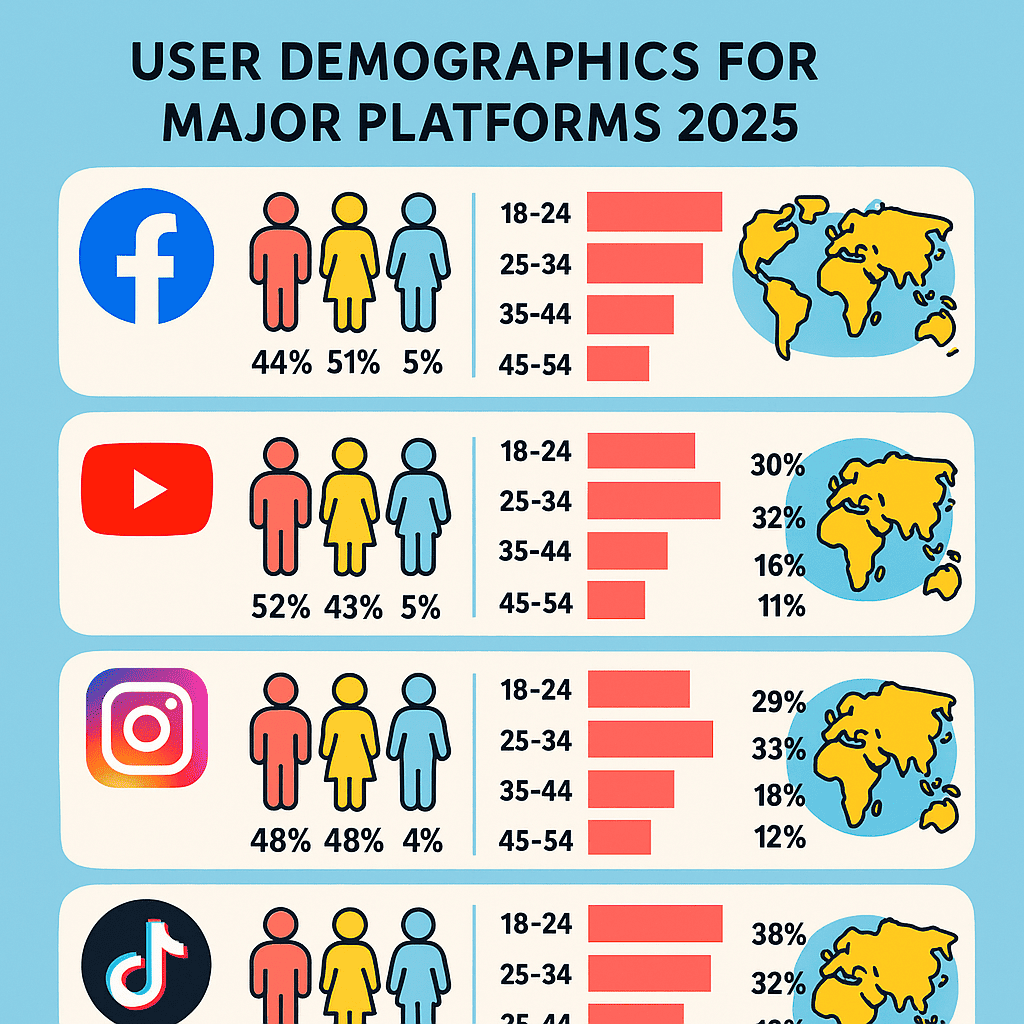
Understanding the social media demographics and features of each platform can help you determine the best social media for business. Here, we’ll break down the characteristics, user bases, and ideal use cases for some of the top platforms.
Platform 1: Facebook
Facebook remains a dominant force in the social media landscape. With over 2.8 billion monthly active users, its broad demographic appeal spans across various age groups, with a notable concentration among users aged 25-34.
- Features: Robust advertising tools, detailed analytics, diverse content sharing options (text, images, videos, live streams).
- Demographics: Predominantly adults, with a balanced gender distribution and significant international presence.
- Best Use Cases: Brand awareness campaigns, community building, customer service, and detailed audience targeting for ads.
Platform 2: Instagram
Instagram, a visually-driven platform, boasts over 1 billion monthly active users. It is particularly popular among younger demographics, with the largest user segment being 18-24 year olds.
- Features: Stories, IGTV, Reels, shopping features, influencer partnerships, and visually appealing content.
- Demographics: Younger audience, more females than males, highly engaged users.
- Best Use Cases: Visual branding, influencer marketing, product promotion, and engaging younger audiences.
Platform 3: Twitter
Twitter is known for its real-time updates and fast-paced interactions. The platform has around 330 million monthly active users, with a significant portion of its user base aged 30-49.
- Features: Short-form content (tweets), trending topics, hashtags, and Twitter Ads.
- Demographics: Professionals, news enthusiasts, and tech-savvy individuals.
- Best Use Cases: Real-time engagement, customer service, industry updates, and driving website traffic.
Platform 4: LinkedIn
LinkedIn is the go-to platform for professionals with over 740 million users. It is particularly effective for B2B marketing, recruitment, and professional networking.
- Features: Professional profiles, job listings, company pages, LinkedIn Learning, and targeted ads.
- Demographics: Professionals and businesses, with a strong presence of users aged 25-34 and 35-54.
- Best Use Cases: B2B marketing, thought leadership, recruitment, and professional networking.
Platform 5: TikTok
TikTok has skyrocketed in popularity, especially among Gen Z, with over 1 billion monthly active users. The platform is centered around short, engaging video content.
- Features: Short-form videos, trending challenges, music integration, and TikTok Ads.
- Demographics: Predominantly younger users, especially teenagers and young adults.
- Best Use Cases: Viral marketing, creative content, influencer partnerships, and reaching younger audiences.
Platform 6: Pinterest
Pinterest is a visual discovery engine with over 400 million monthly active users. It is particularly popular among women aged 18-49.
- Features: Pins, boards, Pinterest Ads, and shopping features.
- Demographics: Predominantly female, with a strong interest in DIY, fashion, and home decor.
- Best Use Cases: Visual content marketing, product discovery, and driving traffic to e-commerce sites.
By understanding the audience demographics and unique features of each platform, you can strategically choose the best social media for business objectives, ensuring your efforts are targeted and effective.
Comparative Analysis and Recommendations

When comparing social media platforms for marketing, understanding user demographics is crucial. For instance, Facebook boasts a broad user base, ranging from young adults to seniors, making it versatile for both B2C and B2B businesses. In contrast, Instagram skews younger, with a strong presence among users aged 18-34, ideal for brands targeting millennials and Gen Z.
Engagement rates also vary significantly across platforms. Instagram typically leads in user engagement, thanks to its visually-driven content and interactive features like Stories and Reels. On the other hand, LinkedIn, while having lower engagement rates, excels in professional networking, making it a powerhouse for B2B companies seeking high-quality leads and industry connections.
So, which platforms should your brand prioritize? For B2C businesses, a combination of Instagram and Facebook can maximize reach and engagement. Instagram’s vibrant community and Facebook’s vast user base provide a balanced approach to capturing a diverse audience. For B2B companies, LinkedIn should be at the forefront of your strategy due to its professional focus and networking potential.
Ultimately, the key to successful social media marketing lies in aligning platform choice with your brand’s goals and audience. By understanding the unique strengths and user demographics of each platform, you can optimize your strategy to achieve the best ROI on social media.
Strategies for Maximizing ROI
When it comes to ROI on social media, implementing the right strategies can make all the difference. Here are some key approaches that will help you achieve the best results.
Creating Engaging Content
Content is king, and creating engaging content that resonates with your audience is crucial for maximizing ROI. It’s not just about the quality of your posts, but also about how well they connect with your followers. Use storytelling, vibrant visuals, and interactive elements like polls or quizzes to captivate your audience. Remember, authentic and relatable content often performs better, so don’t be afraid to show the human side of your brand.
Utilizing Platform-Specific Features
Every social media platform has unique features designed to boost engagement. Whether it’s Instagram Stories, LinkedIn Articles, or Twitter threads, leveraging these tools effectively can enhance your outreach. For instance, Instagram Stories allow you to post time-sensitive content that keeps your brand top-of-mind, while LinkedIn Articles can establish you as a thought leader in your industry. Tailoring your content to fit these features will not only improve visibility but also drive better engagement.
Analyzing and Optimizing Performance
To ensure your social media strategies for 2025 are on track, it’s essential to frequently analyze and optimize your performance. Use analytics tools to track key metrics such as engagement rates, click-through rates, and conversions. This data will help you understand what’s working and what’s not, allowing you to adjust your strategies accordingly. By continually refining your approach, you can maximize your ROI and stay ahead of the competition.
Leveraging Paid Advertising
Paid advertising can significantly amplify your reach and engagement, provided it’s done strategically. Platforms like Facebook and Instagram offer robust advertising options that allow you to target specific demographics, interests, and behaviors. By investing in paid ads, you can ensure your content reaches a broader audience, thus driving higher engagement and conversions. Additionally, experimenting with different ad formats, such as carousel ads or video ads, can yield better results.
For more on how to enhance your social media strategy, check out our guide on leveraging user-generated content (UGC).
Emerging Trends and Predictions

As we look towards the horizon, several social media trends for 2025 are beginning to take shape. One of the most exciting developments is the rise of new and emerging social media platforms. Platforms like ‘VibeHub’ and ‘EchoChain’ are gaining traction, promising novel ways for users to interact and share content. These platforms emphasize niche communities and immersive experiences, moving beyond the traditional social media experience.
In terms of content consumption, there is a noticeable shift towards short-form video content. As attention spans continue to shrink, platforms prioritizing bite-sized, engaging content, such as TikTok and Instagram Reels, are seeing exponential growth. This trend is also reflected in the increasing importance of Trends in video content, where quick, impactful visuals outperform longer formats.
Predicted changes in user behavior suggest a greater focus on authenticity and transparency. Users are becoming more discerning, favoring brands and influencers who present themselves genuinely. This shift is pushing marketers to adopt more authentic communication strategies, fostering genuine connections with their audience.
Finally, the future of social media marketing looks set to be dominated by AI-driven personalization. By harnessing the power of artificial intelligence, marketers can deliver highly personalized content, tailored to individual user preferences and behaviors. This level of customization is not only expected to enhance user engagement but also drive higher conversion rates.
Frequently Asked Questions about 20+ Top Social Media Sites and Platforms to Grow Your Brand in 2025
Which social media platform has the most users in 2025?
As of 2025, Facebook continues to lead the pack with the highest number of monthly active users, boasting an impressive 3 billion users worldwide. This gigantic user base spans across various demographics, including a significant presence among users aged 18-34, with a growing segment of users aged 55 and above.
Facebook’s enduring popularity can be attributed to several key factors. Its comprehensive suite of features, including groups, marketplace, and an array of multimedia sharing options, offers something for everyone. Moreover, its seamless integration with other apps and services keeps users engaged and coming back regularly.
Leave a Reply