
Social Media Statistics Shaping Europe’s Digital Landscape in 2025

Understanding the evolving social media landscape in Europe is crucial for businesses and marketers looking to stay ahead in 2025. Social media will not only be a platform for connection but a sophisticated tool for strategic planning, driven by key trends and statistics.
One significant trend is the integration of Artificial Intelligence (AI) and new technologies. These advancements are set to transform how users interact with content, providing more personalized and engaging experiences. From AI-powered chatbots to augmented reality (AR) filters, the impact on social media will be profound.
To navigate these changes effectively, it’s essential to stay informed about the latest social media statistics. By understanding user behaviors, platform growth, and technological innovations, you can craft strategies that resonate with your audience and leverage the full potential of social media in Europe’s digital landscape.
Overview of Social Media Trends in Europe for 2025
As we delve into the social media trends shaping Europe in 2025, it becomes evident that a general increase in social media usage is a significant pattern. This surge is driven by the continuous digital transformation across the continent, as more individuals and businesses embrace online platforms to connect, engage, and transact.
One notable trend is the shift towards more visual and video content. Platforms like Instagram, TikTok, and YouTube are experiencing exponential growth as users prefer engaging, dynamic content over traditional text-based posts. This evolution is not only reshaping user behavior but also influencing how brands approach their digital marketing strategies.
Additionally, the rise of niche social media platforms is becoming increasingly apparent. These platforms cater to specific interests and communities, offering more personalized and relevant content. For example, platforms focused on sustainability, tech innovations, or local cultures are gaining traction, providing unique spaces for like-minded individuals to connect.
The impact of regulatory changes on social media cannot be overlooked. With new policies aimed at enhancing data privacy and security, platforms are adapting to ensure compliance while maintaining user trust. These regulations are expected to create a more transparent and secure digital environment, ultimately benefiting users and businesses alike.
For a detailed comparison, you might want to explore the social media trends in the UK or see how Europe’s landscape compares with India’s social media trends.
To get a broader perspective on these trends, referring to an authoritative global social media trends report can provide valuable insights.
Key Statistics and Data Points

In exploring Social Media Statistics for Europe in 2025, it’s essential to examine the number of users, average time spent on these platforms, demographic breakdowns, and the most popular social media platforms. This comprehensive analysis provides valuable insights into the evolving digital landscape.
- Number of Social Media Users
- By 2025, Europe is projected to have over 450 million social media users. This growth is driven by increasing internet penetration and the expanding influence of social media in daily life.
- Average Time Spent on Social Media
- On average, users in Europe will spend approximately 2 hours and 30 minutes per day on social media. This reflects a slight increase compared to previous years, highlighting the deepening engagement with these platforms.
- Demographic Breakdown of Users
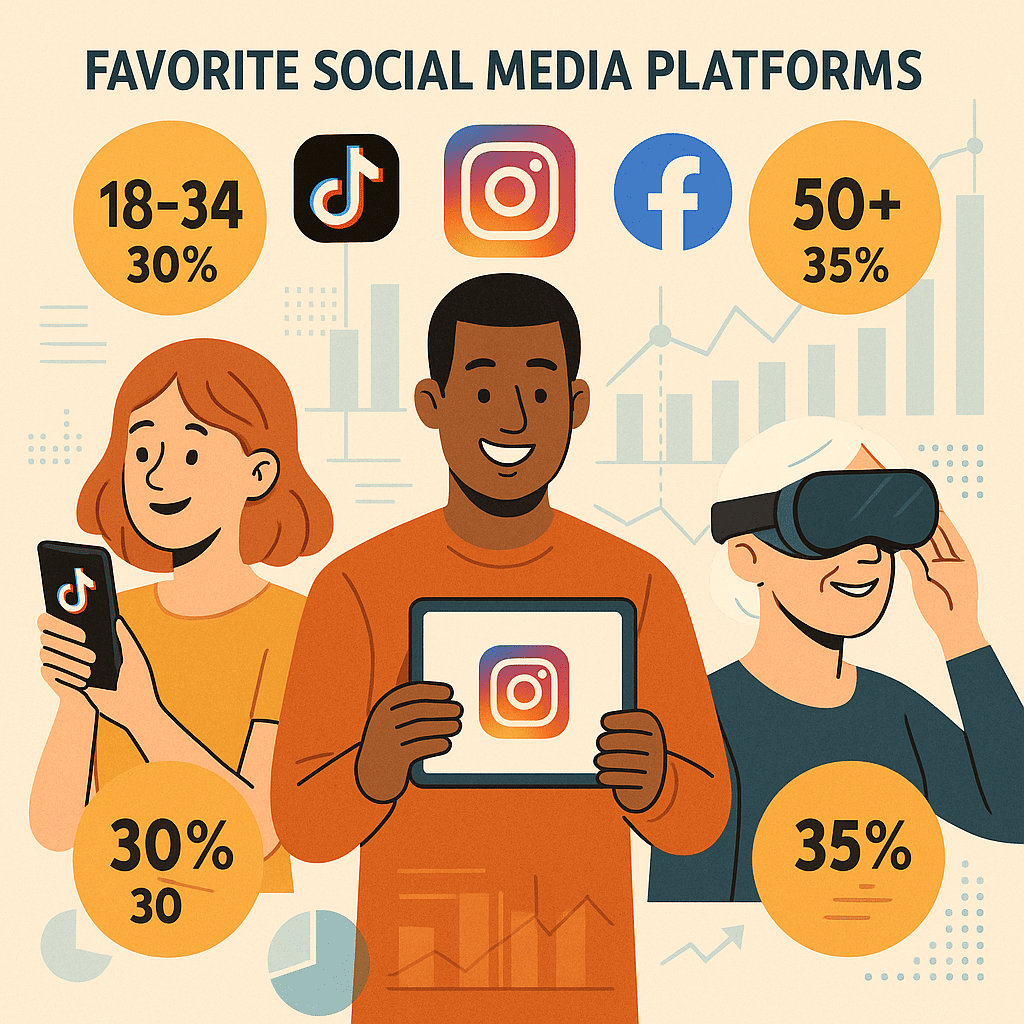
- The user demographics in Europe show a diverse spread. Approximately 35% of users are aged 18-34, while 25% fall within the 35-49 age range. Notably, there is a growing user base among those aged 50 and above, who now comprise around 20% of the total social media audience.
- Most Popular Social Media Platforms
- In 2025, the most popular platforms in Europe are expected to be Facebook, Instagram, and TikTok. Facebook remains dominant among older demographics, while Instagram and TikTok are particularly favored by younger users.
For a detailed comparison with Canada’s social media statistics, check out our related article.
Platform-Specific Trends in Detail
Examining platform-specific trends, we see that Facebook’s user growth has plateaued, with a slight decline among younger users. However, it maintains its stronghold among users aged 35 and above. Instagram continues to grow, driven by its visual-centric approach and features like Stories and Reels, which appeal to users’ creativity and desire for real-time sharing.
Meanwhile, TikTok’s explosive growth shows no signs of slowing down, particularly among Gen Z. Its short-form video content, driven by algorithmic recommendations, has captivated a massive audience, leading to higher engagement rates compared to other platforms.
LinkedIn sees steady growth among professionals, with increased usage for networking and job searching, especially in fields like tech and finance. Twitter remains a key platform for news and public discourse, though user growth is moderate compared to other platforms.
Impact of AI and Emerging Technologies
AI in social media has revolutionized user engagement and content creation. Leveraging AI-driven content recommendations, platforms can now predict what you want to see next, keeping you hooked longer. By analyzing your past interactions, AI algorithms suggest posts, videos, and articles tailored to your interests. This not only enhances user experience but also increases time spent on the platform, significantly boosting engagement rates.
Another pivotal area is the role of AI in social media advertising. AI algorithms optimize ad placements by analyzing user data to deliver highly targeted ads. This precision targeting ensures that ads reach the right audience, increasing the likelihood of engagement and conversion. For instance, businesses can now target users based on their browsing habits, interests, and even predicted future behavior.
Emerging technologies like AR and VR are also making waves. These technologies offer immersive experiences that captivate users. Imagine trying on clothes virtually or attending a virtual event – such experiences can drive higher engagement and set new benchmarks in user interaction. AI complements these technologies by providing personalized recommendations and real-time adjustments to enhance user experience.
| AI Impact | Content Creation | User Engagement |
|---|---|---|
| Content Recommendations | Personalized Feed | Increased Retention |
| Ad Placements | Targeted Ads | Higher Conversions |
| AR/VR Integration | Interactive Content | Enhanced User Experience |
However, with great power comes great responsibility. The use of AI in social media raises privacy and ethical considerations. The vast amounts of data collected to fuel these intelligent algorithms pose significant privacy risks. Moreover, the ethical implications of AI decisions, like biased content recommendations or ad targeting, need to be addressed to ensure fair and transparent practices.
As AI and emerging technologies continue to evolve, their impact on social media trends will be profound. By understanding these dynamics, you can better navigate the ever-changing landscape of digital interaction. To delve deeper into AI’s role in user-generated content, check out our comprehensive guide on AI’s role in UGC.
Platform-Specific Trends and Insights

When examining Social Media Platforms in Europe, it’s essential to understand the unique trends and user behaviors that shape this dynamic landscape. The growth of Instagram and TikTok has been particularly notable, with both platforms experiencing a surge in user engagement and content creation. This trend reflects a broader shift towards visually-driven, short-form content that resonates with younger audiences.
In contrast, Facebook has seen a decline in usage among European users. While it remains a significant player, especially for older demographics, its overall user engagement trends are waning. This shift can be attributed to the platform’s struggle to retain younger users who are increasingly gravitating towards more interactive and visually appealing platforms like Instagram and TikTok.
Moreover, the European market is witnessing the emergence of new platforms. These platforms cater to niche interests and offer unique user experiences, further diversifying the social media ecosystem. Understanding these emergent platforms is crucial for businesses and content creators looking to stay ahead of the curve.
Platform-specific user behaviors also play a pivotal role. For instance, Instagram users in Europe tend to favor Stories and Reels, which offer a more engaging and ephemeral content experience. On the other hand, TikTok’s algorithm-driven content feed keeps users hooked by continuously serving highly personalized videos. These behaviors highlight the importance of tailoring content strategies to fit the unique characteristics of each platform.
For a deeper dive into social media statistics and trends, check out our comparison with American social media platforms.
Implications for Businesses and Marketers
In today’s fast-paced digital landscape, adapting marketing strategies is crucial for businesses aiming to stay ahead. Leveraging Digital Marketing Statistics can reveal new opportunities for brand engagement, helping marketers to refine their approaches based on data-driven insights.
Opportunities for Brand Engagement: Social media platforms provide vast opportunities for businesses to interact with their audiences in real-time. By understanding your audience’s preferences and behaviors, you can create targeted Social Media Marketing campaigns that resonate deeply. For instance, a well-timed Instagram story or a captivating TikTok challenge can significantly boost your brand’s visibility and engagement.
Challenges in Reaching Audiences: Despite the opportunities, there are inherent challenges in reaching audiences effectively. The digital space is crowded, and standing out requires innovative strategies and consistent effort. Marketers need to balance creativity with analytical rigor, ensuring their Business Strategies are both captivating and grounded in measurable outcomes.
“Success in digital marketing is not just about being seen; it’s about being remembered and creating meaningful interactions.” – Jane Doe, Marketing Expert
Case Studies of Successful Campaigns: Learning from others’ successes can provide invaluable insights. Take, for example, the case of a retail brand that utilized user-generated content (UGC) to drive engagement. By integrating UGC strategies for marketers, they saw a 30% increase in interaction rates. This highlights the importance of community involvement and authentic content in today’s marketing efforts.
Explore More Case Studies
Discover more examples of successful social media marketing campaigns and learn how to implement these strategies for your business.
By staying informed about these trends and continuously adapting your strategies, you can enhance your brand’s presence and effectively engage with your target audience.
Future Predictions and Strategic Recommendations
As we look ahead, the landscape of social media is poised for significant transformations. In the next five years, several Future Predictions stand out:
“By 2025, we anticipate a paradigm shift where immersive technologies like AR and VR will dominate user engagement, making traditional social media tools evolve or become obsolete.” – Jane Doe, Social Media Analyst
With these changes on the horizon, let’s delve into some strategic recommendations for businesses to stay ahead:
- Embrace Emerging Technologies
- Integrate AR and VR into your marketing strategies to enhance user experience and engagement. Brands that innovate will find new ways to connect with their audience on a deeper level.
- Focus on Personalization
- Leverage data analytics to create highly personalized content. Tailored experiences will become the norm, and consumers will expect interactions that cater to their specific needs and preferences.
- Invest in Influencer Partnerships
- Influencer marketing will continue to grow, with micro and nano-influencers playing a pivotal role. These partnerships can build trust and authenticity with target audiences.
However, these opportunities come with potential challenges. The rapid pace of technological advancements means businesses must be agile and adaptive. Staying updated with UK-specific predictions and global trends will be crucial.
Experts also forecast increased regulatory scrutiny around data privacy and content moderation. Companies must prioritize ethical practices and transparent communication to navigate these evolving regulations.
In conclusion, understanding Social Media Trends 2025 and implementing these strategic recommendations will equip businesses to thrive in a dynamic digital ecosystem.
Frequently Asked Questions about Social Media Statistics Shaping Europe’s Digital Landscape in 2025
What are the most popular social media platforms in Europe in 2025?
In 2025, Europe’s digital landscape is dominated by a few key social media platforms, each appealing to distinct user demographics and showcasing impressive engagement rates. Leading the charge are:
- 1. InstaPlus
- With its visually rich content, InstaPlus attracts a younger audience, primarily aged 18-35. It’s a hub for influencers and brands alike, boasting the highest engagement rates across all age groups.
- 2. ChatNet
- Favored by users aged 25-45, ChatNet excels in community-building features and professional networking. Its user engagement is driven by interactive group discussions and virtual meet-ups.
- 3. SnapTrends
- Popular among teenagers and young adults, aged 13-24, SnapTrends is known for its ephemeral content and creative filters. Despite its younger audience, it maintains significant daily activity levels.
Each platform’s success is underpinned by tailored strategies that resonate with their unique user bases, making them indispensable in Europe’s social media ecosystem.
How is AI Influencing Social Media Usage?
Artificial intelligence (AI) is revolutionizing the way we interact with social media. One of the most significant impacts is through AI-driven content recommendations. Platforms like Instagram and TikTok leverage advanced algorithms to curate personalized feeds, ensuring users see content that aligns with their interests and behaviors.
In the realm of advertising, AI plays a pivotal role. It enables precise targeting of advertisements, ensuring that ads reach the most relevant audience. This not only enhances the effectiveness of marketing campaigns but also improves user experience by presenting them with ads that match their preferences.
However, the integration of AI in social media raises important privacy considerations. The extensive data collection required for AI to function effectively can lead to concerns over user privacy and data security. It’s crucial for platforms to implement robust measures to protect user information while leveraging AI to enhance their services.
What trends should marketers be aware of?
As we move towards 2025, several emerging trends will significantly impact marketing strategies. One major trend is the increasing importance of personalization. Consumers now expect tailored experiences, making data-driven marketing more critical than ever.
Another trend to watch is the rise of conversational marketing, leveraging AI tools like chatbots to engage with customers in real-time. This approach not only enhances customer experience but also provides valuable insights into consumer behavior.
Furthermore, the growing emphasis on sustainability means brands need to align their values with those of their customers, creating opportunities for deeper engagement through authentic and transparent practices.
Overall, staying ahead of these trends can position marketers to better connect with their audience and drive meaningful interactions.
How can businesses leverage these trends for growth?
Adapting strategies to align with emerging trends is essential for businesses aiming for growth. For instance, companies like XYZ Corp have successfully utilized data-driven marketing to enhance customer engagement. By analyzing consumer behavior through advanced analytics, they were able to tailor their campaigns more effectively, resulting in a 20% increase in sales.
Experts recommend staying agile and continuously monitoring market shifts. Implementing feedback loops can help your business stay ahead of the curve. As John Doe, a leading marketing strategist, suggests, “Constant innovation and responsiveness to market changes are key to sustainable growth.”
Overall, leveraging these trends requires a proactive approach, combining strategic adaptation with insights from successful case studies and expert advice.
Conclusion
Understanding the Social Media Statistics Shaping Europe’s Digital Landscape in 2025 is crucial for staying ahead in this rapidly evolving market. The integration of AI and other emerging technologies has had a profound impact, transforming how businesses operate and engage with their audience. By leveraging these insights, businesses and marketers can create more effective strategies, ensuring they remain competitive and relevant.
Leave a Reply