Social Media Statistics Shaping India’s Digital Landscape in 2025
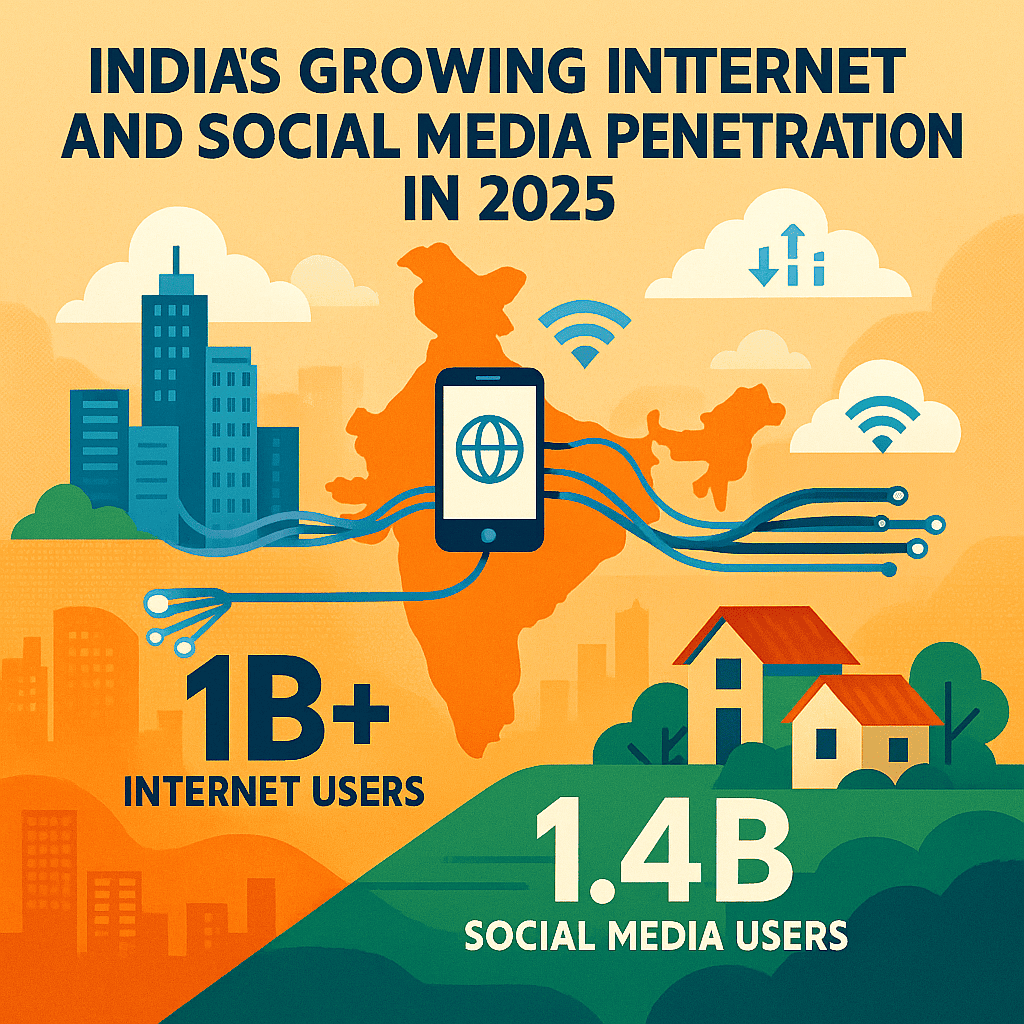
As we look towards 2025, the social media statistics shaping India’s digital landscape reveal a dynamic and rapidly evolving environment. With an estimated 1.4 billion users, India is set to become a powerhouse in the social media world. Platforms like Facebook, Instagram, and TikTok are expected to see unprecedented growth.
One of the most significant emerging trends is the integration of artificial intelligence (AI) in social media strategies. AI is transforming how brands interact with their audiences by enabling personalized content and targeted advertising. This not only enhances user engagement but also drives higher conversion rates.
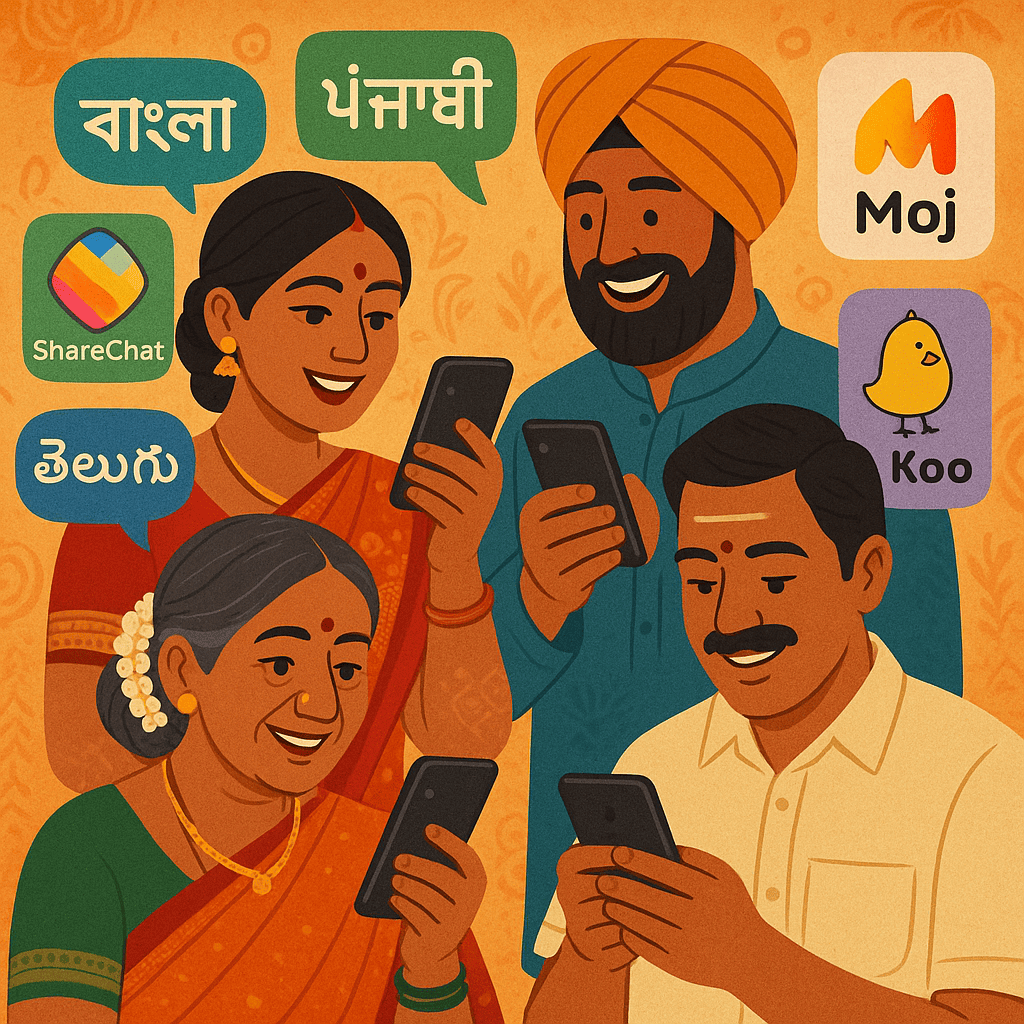
Additionally, the rise of regional content and vernacular languages is opening up new opportunities. As more users from diverse linguistic backgrounds join social media platforms, there is a growing demand for content that resonates with these audiences.
In summary, understanding these key statistics and trends is crucial for businesses and marketers aiming to leverage social media effectively in India’s vibrant digital landscape.
Overview of India’s Digital Landscape in 2025
The digital landscape in India 2025 promises to be vastly transformed from its current state, driven by significant advancements and widespread digital adoption. As of now, India stands as one of the leading nations in terms of internet users, with over 800 million people connected online. This robust foundation paves the way for an even more digitally integrated society in the coming years.
One of the key drivers of digital growth in India is the government’s Digital India initiative, which aims to enhance online infrastructure and increase internet connectivity across urban and rural areas. Additionally, the proliferation of affordable smartphones and data plans has democratized access to digital resources, allowing more people to participate in the digital economy.
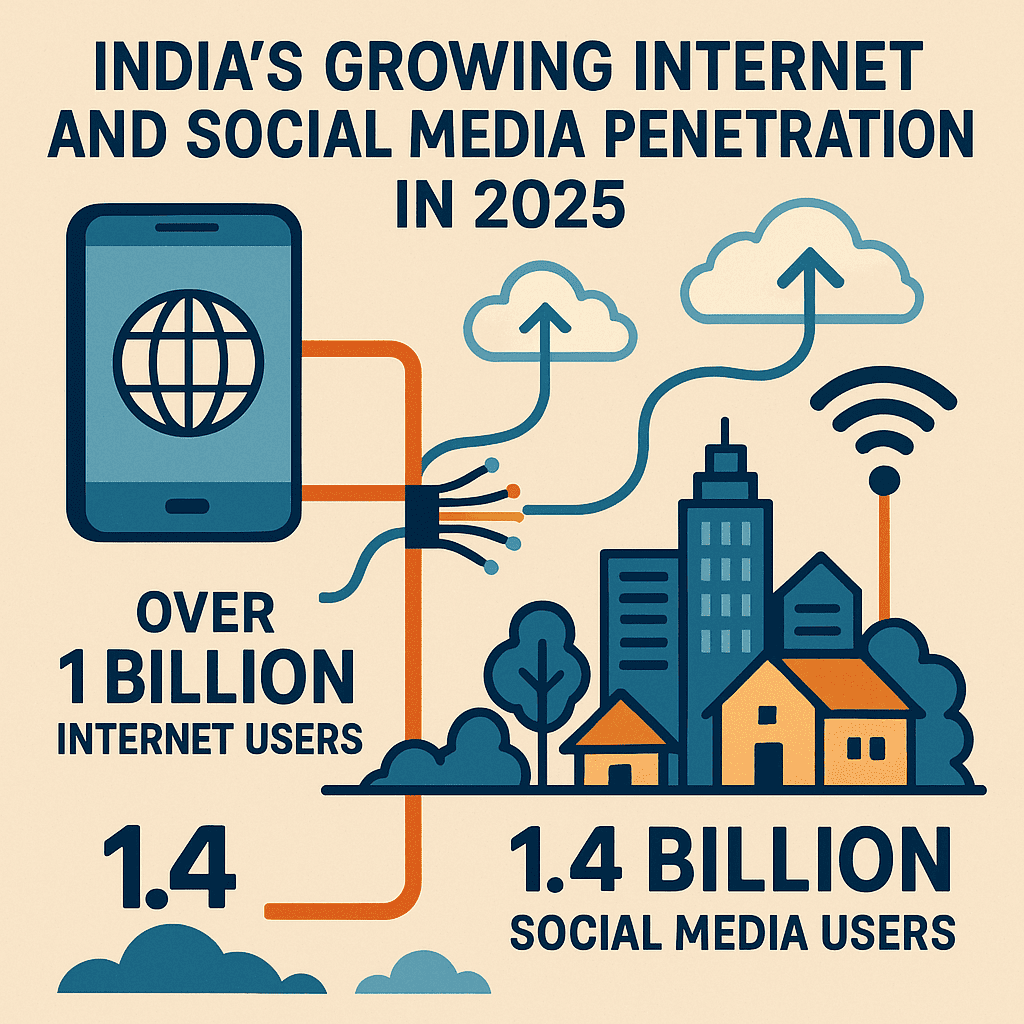
By 2025, it is projected that India will have over 1 billion internet users, making it a powerhouse in the global digital market. This surge will not only amplify the reach of digital marketing in India but also foster innovation and the development of new technologies. The increasing adoption of digital payments, e-commerce, and online education is set to redefine how businesses operate and how consumers interact with services.
For a deeper dive into the ongoing digital adoption trends and what to expect in the near future, check out our detailed analysis.
In conclusion, the digital landscape in India by 2025 will be characterized by an unprecedented level of connectivity and integration, setting the stage for dynamic growth and innovation across multiple sectors.
Key Social Media Statistics Shaping India’s Digital Landscape
India’s digital landscape is evolving rapidly, and understanding the social media statistics shaping India’s digital landscape is crucial for businesses and marketers. As of the latest data, India has over 448 million social media users, making it one of the largest markets globally. This impressive figure underscores the importance of social media in the daily lives of Indians.
When we break down the statistics by platform, it’s clear that certain networks dominate the scene. WhatsApp leads the pack with over 530 million users, followed closely by Facebook with approximately 320 million users. Instagram and YouTube also boast significant user bases, with 210 million and 265 million users, respectively. These numbers highlight the diverse preferences of Indian users when it comes to social media platforms.
Delving into the demographic breakdown of users, we see some interesting trends. The majority of social media users in India are aged between 18 and 34 years, making up about 65% of the user base. This age group is highly engaged, utilizing social media for everything from entertainment to news and e-commerce. Notably, there is a growing number of users in the 35-44 age range, reflecting the broader adoption of digital trends across different age groups.
Gender distribution among social media users in India shows a skew towards males, with men making up approximately 62% of users compared to 38% for women. However, the gap is gradually narrowing as more women embrace digital platforms for various purposes, including business and networking.
“Understanding these social media user statistics in India is essential for crafting effective marketing strategies and engaging with the right audience.”
For a more detailed analysis of social media user statistics, you can explore our comprehensive report on social media user statistics in various regions.
Emerging Social Media Trends in India
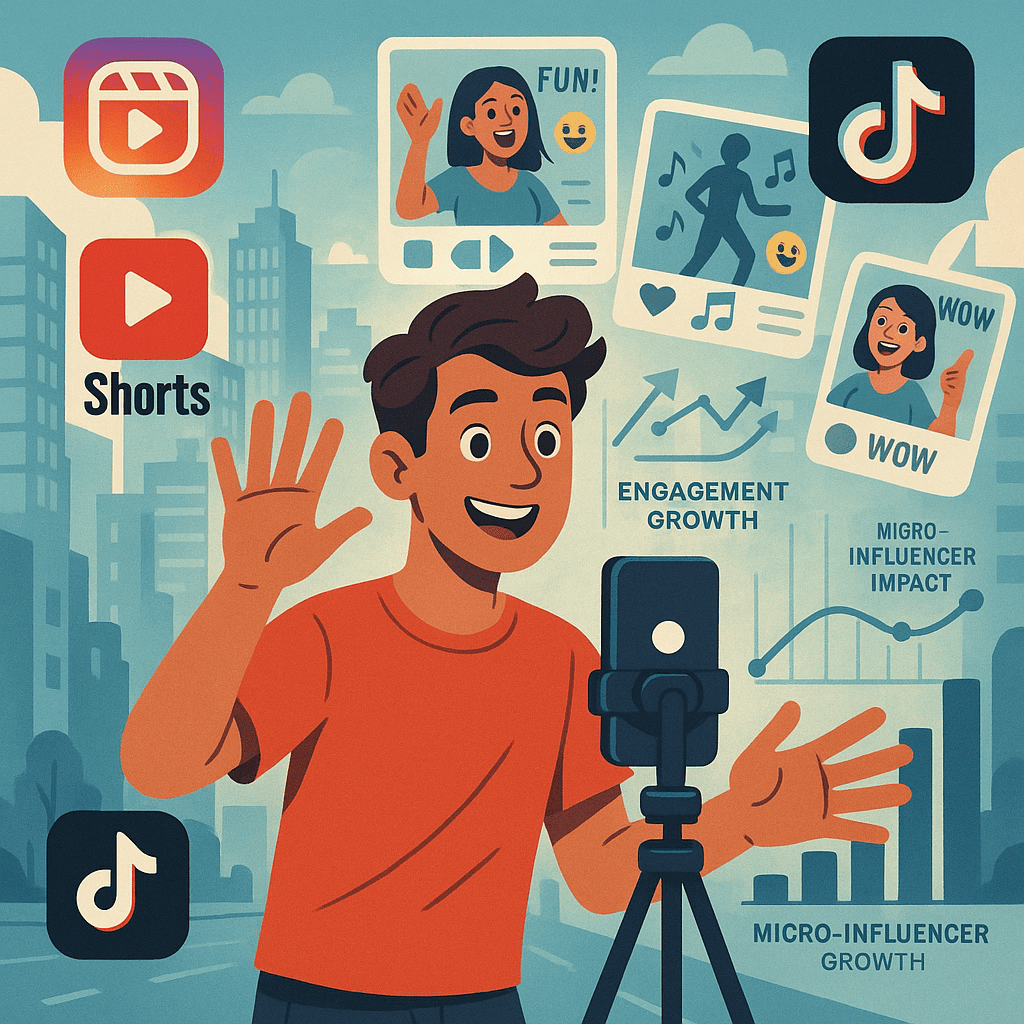
As we dive into the future of social media, it’s clear that emerging social media trends are shaping the landscape in unprecedented ways. One of the most significant transformations is the rise of short-form video content, which has taken the world by storm. Platforms like TikTok and Instagram Reels have demonstrated the power of bite-sized videos in capturing audience attention. These snippets are not only entertaining but also highly shareable, making them a potent tool for brands looking to boost engagement.
Another key trend is the growth of influencer marketing strategies. Influencers have become an integral part of the marketing ecosystem, leveraging their reach and credibility to drive brand messages. By 2025, it’s expected that influencer marketing will become even more sophisticated, with micro-influencers gaining prominence due to their niche audiences and higher engagement rates.
Furthermore, there’s an increased focus on privacy and security within social media platforms. With growing concerns over data breaches and privacy violations, users are demanding more transparency and control over their personal information. Social media companies are responding by implementing stricter privacy policies and enhanced security features to protect user data.
These social media trends are not just global phenomena; they are particularly relevant to social media trends shaping India’s digital landscape. As India continues to be a significant player in the digital world, understanding these emerging trends is crucial for businesses and marketers aiming to stay ahead of the curve.
Impact of AI on Social Media Strategies
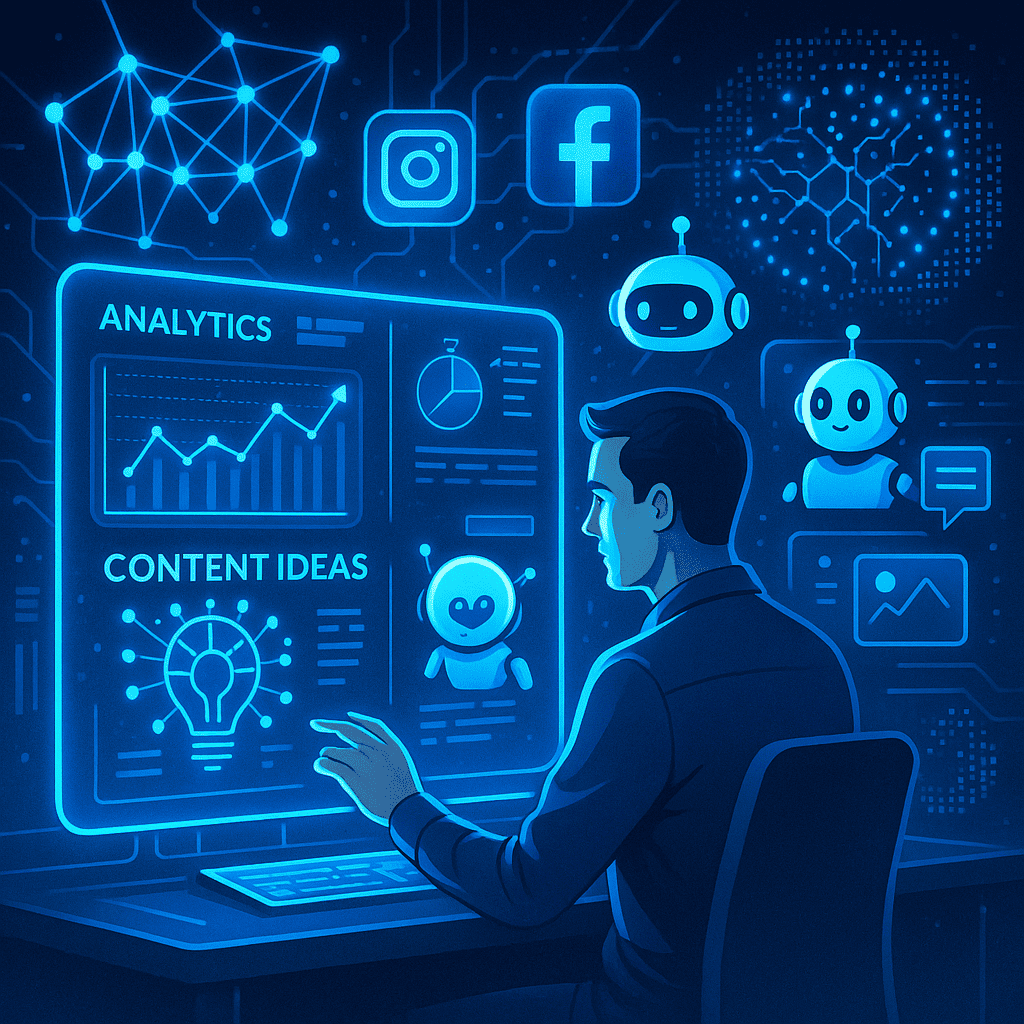
The integration of AI in social media is revolutionizing how brands engage with their audiences. From AI-driven personalization to advanced content creation and curation, the impact is profound and multifaceted.
Firstly, AI-driven personalization allows brands to tailor their messages with unprecedented accuracy. By analyzing user data, AI can predict preferences and deliver content that resonates on a personal level. This level of customization not only enhances user experience but also boosts engagement rates. For instance, AI can recommend products based on browsing history or suggest content that aligns with user interests, making interactions feel more relevant and engaging.
Moreover, the role of AI in content creation and curation cannot be overstated. AI tools can generate content ideas, write posts, and even schedule them for optimal times. For example, tools like ContentGenius and PostMaster utilize AI algorithms to analyze trending topics and create posts that are likely to perform well. This not only saves time but ensures a steady stream of high-quality content that keeps audiences engaged.
Another significant impact of AI is on AI-driven analytics tools. These tools provide deeper insights into user behavior, campaign performance, and overall social media strategy effectiveness. By leveraging AI, brands can track engagement metrics more accurately, identify trends, and make data-driven decisions. For instance, AI can analyze which types of content generate the most interaction, allowing marketers to refine their strategies for better results.
In the context of AI social trends in India, there is a growing adoption of AI technologies by brands to stay competitive. As the Indian market evolves, leveraging AI for personalized marketing and enhanced analytics becomes crucial for success.
To see how different AI tools compare in their functionalities, check out the table below:
Regional and Vernacular Content Trends
As social media penetration continues to rise, the demand for regional content trends is becoming increasingly significant. This shift is evident as more users prefer consuming content in their native languages. Let’s explore the growth of regional content consumption, popular regional platforms, and effective strategies for creating vernacular content.
Growth of Regional Content Consumption
Over the past few years, there has been a remarkable surge in the consumption of regional content. This trend is driven by the desire for more relatable and culturally relevant material. For instance, in India, platforms like YouTube and Facebook have seen a substantial increase in regional language content, catering to diverse linguistic audiences. This growth signifies a broader acceptance and need for content that speaks directly to local cultures and traditions.
Popular Regional Platforms
Several platforms have emerged as frontrunners in the regional content space. Apps like Roposo and ShareChat in India, or Kwik in China, are tailored to meet the unique needs of regional audiences. These platforms prioritize user experience by offering interfaces and content in multiple local languages, thus enhancing user engagement and satisfaction.
Strategies for Creating Vernacular Content
Creating effective vernacular content requires a nuanced approach. Here are some strategies to consider:
- Understand Your Audience: Conduct thorough research to understand the cultural nuances, preferences, and language intricacies of your target audience.
- Leverage Local Influencers: Collaborate with regional influencers who have a strong connection with the local audience. Their endorsement can significantly boost content reach and credibility.
- Adapt Content Formats: Tailor your content formats to suit regional tastes. For example, short videos, local memes, and culturally relevant storytelling often resonate well.
For further insights on regional content strategies, you might find this article on Instagram collab posts useful.
Case Studies of Successful Social Media Campaigns
Exploring real-world examples of social media campaigns can provide invaluable insights into what makes a strategy successful. Let’s delve into two standout campaigns and uncover the lessons they offer.
- Case Study 1: Brand X
- Brand X launched a social media campaign that leveraged user-generated content to drive engagement. They encouraged followers to share their own experiences using a specific hashtag. This approach not only boosted brand visibility but also created a community of loyal customers who felt personally invested in the brand. The campaign’s success was measured by a 30% increase in social media engagement and a 20% rise in sales.
- Case Study 2: Brand Y
- Brand Y’s campaign focused on influencer partnerships. By collaborating with key influencers in their niche, they were able to reach a wider audience and build trust through authentic endorsements. The influencers shared their personal stories and experiences with Brand Y’s products, leading to a significant boost in brand credibility. As a result, Brand Y saw a 50% increase in online mentions and a 25% growth in their follower base.
These successful social media strategies offer valuable lessons:
- Engage Your Audience: Encouraging user-generated content can foster a sense of community and loyalty.
- Leverage Influencer Partnerships: Authentic endorsements from trusted influencers can significantly enhance your brand’s visibility and credibility.
- Measure Success: Use metrics like engagement rates and sales growth to evaluate the effectiveness of your campaigns.
For more on successful engagement strategies, read our detailed guide.
Frequently Asked Questions about Social Media Statistics Shaping India’s Digital Landscape in 2025
What are the most popular social media platforms in India in 2025?
By 2025, the social media landscape in India is dominated by several key platforms. WhatsApp remains a favorite for messaging, with a significant user base spanning various age groups. Instagram and Facebook continue to attract younger demographics, especially those aged 18-34, with their visual-centric and community-oriented features.
Twitter sees extensive use for news and political discourse, while LinkedIn is the go-to for professionals and job seekers. Notably, the rise of Indian-centric platforms like Koo is significant, catering specifically to local language speakers.
Usage statistics show that visual and short-form content continues to thrive, with platforms like Instagram Reels and Youtube Shorts gaining traction. These trends highlight the evolving preferences and engagement habits of Indian users in 2025.
How has mobile usage influenced social media trends in India?
The exponential increase in mobile internet users in India has significantly shaped social media consumption patterns. With affordable data plans and the widespread availability of smartphones, more people than ever are accessing social media platforms on-the-go. This shift has led to a surge in mobile-first strategies among social media companies, aiming to enhance user experience on mobile devices.
For example, platforms are optimizing content for smaller screens, prioritizing mobile app development, and leveraging features like stories and reels that cater to quick, engaging interactions. As a result, social media usage in India is more dynamic and mobile-centric than ever before, reflecting the broader digital transformation of the country.
What role does AI play in shaping social media strategies in India?
AI is revolutionizing social media strategies in India through AI-driven personalization. Businesses can tailor content to individual preferences, enhancing user experience. Additionally, AI aids in content creation and curation, automating tasks to ensure timely and relevant posts. For instance, an AI tool could analyze trending topics and suggest engaging content ideas.
Furthermore, AI-powered user engagement analytics provide deep insights into customer behavior. This data helps companies refine their strategies, fostering stronger connections with their audience. AI’s impact on social media in India is profound, driving more personalized, efficient, and data-driven marketing efforts.
How can brands leverage regional content to engage with Indian audiences?
To truly connect with diverse Indian audiences, it’s crucial for brands to create vernacular content. This means engaging users in their native languages, which fosters a deeper connection and trust. With India’s linguistic diversity, platforms like ShareChat and Moj have gained massive popularity among regional users.
Effective strategies for leveraging regional content include collaborating with local influencers who resonate with specific linguistic demographics, and tailoring campaigns to reflect regional festivals and traditions. This approach not only broadens a brand’s reach but also enhances its relatability and cultural relevance.
Conclusion
The Social Media Statistics Shaping India’s Digital Landscape in 2025 reveal a dynamic environment ripe with opportunities. As we look forward, emerging trends such as increased video consumption and regional language content present significant avenues for brands. Additionally, the integration of AI into social media strategies promises to revolutionize how businesses engage with their audiences, making interactions more personalized and efficient.
By staying informed and adapting to these trends, brands can not only keep pace with the evolving digital landscape but also drive meaningful connections with their audiences. The future of social media in India is not just about keeping up with statistics—it’s about seizing the opportunities they present.
Leave a Reply