
Understanding the nuances between reach, impressions, and engagement is crucial for mastering social media metrics. Let’s delve into each of these terms to grasp their unique roles and importance.
Reach refers to the total number of unique users who have seen your content. It’s a measure of your content’s potential audience and provides insight into how far your message is spreading.
Impressions indicate how many times your content is displayed, regardless of whether it was clicked or not. This metric can show the frequency with which your audience is exposed to your message.
Engagement encompasses all the interactions people have with your content, such as likes, comments, shares, and clicks. It reflects how compelling and interactive your content is to your audience.
The differences between these metrics are subtle but significant. Reach measures unique views, impressions count total views, and engagement captures user interaction. Understanding when to prioritize each metric depends on your goals. If you’re building brand awareness, focus on reach. For measuring content visibility, track impressions. To gauge audience interaction, engagement is key.
By accurately interpreting these metrics, you can fine-tune your social media strategy to achieve your desired outcomes more effectively.
Diving into social media metrics is essential for crafting a robust marketing strategy. Understanding how these metrics interplay can help businesses better allocate resources and refine their tactics. This section will provide an overview of three key metrics that are critical to any social media analysis: reach, impressions, and engagement.
Social media metrics serve as the backbone of any successful marketing strategy. They allow marketers to gauge the effectiveness of their campaigns, understand their audience, and make data-driven decisions. Among the myriad of metrics available, three stand out as particularly vital: reach, impressions, and engagement.
Reach refers to the total number of unique users who have seen your content. It is a crucial metric for understanding the size of the audience your content is exposed to. High reach indicates that your content has been seen by a large number of people, which can be especially important for brand awareness campaigns.
Impressions count the total number of times your content has been displayed, regardless of whether it was clicked on or not. This metric helps gauge the frequency of exposure and can be higher than reach since one user might see the same content multiple times.
Engagement measures the interactions that users have with your content, such as likes, comments, shares, and clicks. High engagement often signifies that your content resonates well with your audience, prompting them to take action.
These metrics each play a distinct role in shaping your social media marketing strategy. By understanding and utilizing these metrics effectively, businesses can tailor their content to better meet their objectives, whether it’s increasing brand awareness, driving traffic, or fostering a loyal customer base.
For a deeper dive into the impact of social media metrics on marketing success, you can explore this high-quality study. This research provides valuable insights into how these metrics can influence marketing outcomes and overall business success.
Transitioning from our introduction to social media metrics, it’s essential to understand the fundamental components of these metrics: reach, impressions, and engagement. Each of these plays a pivotal role in measuring your social media performance and can guide your strategy effectively.
Definition of Reach
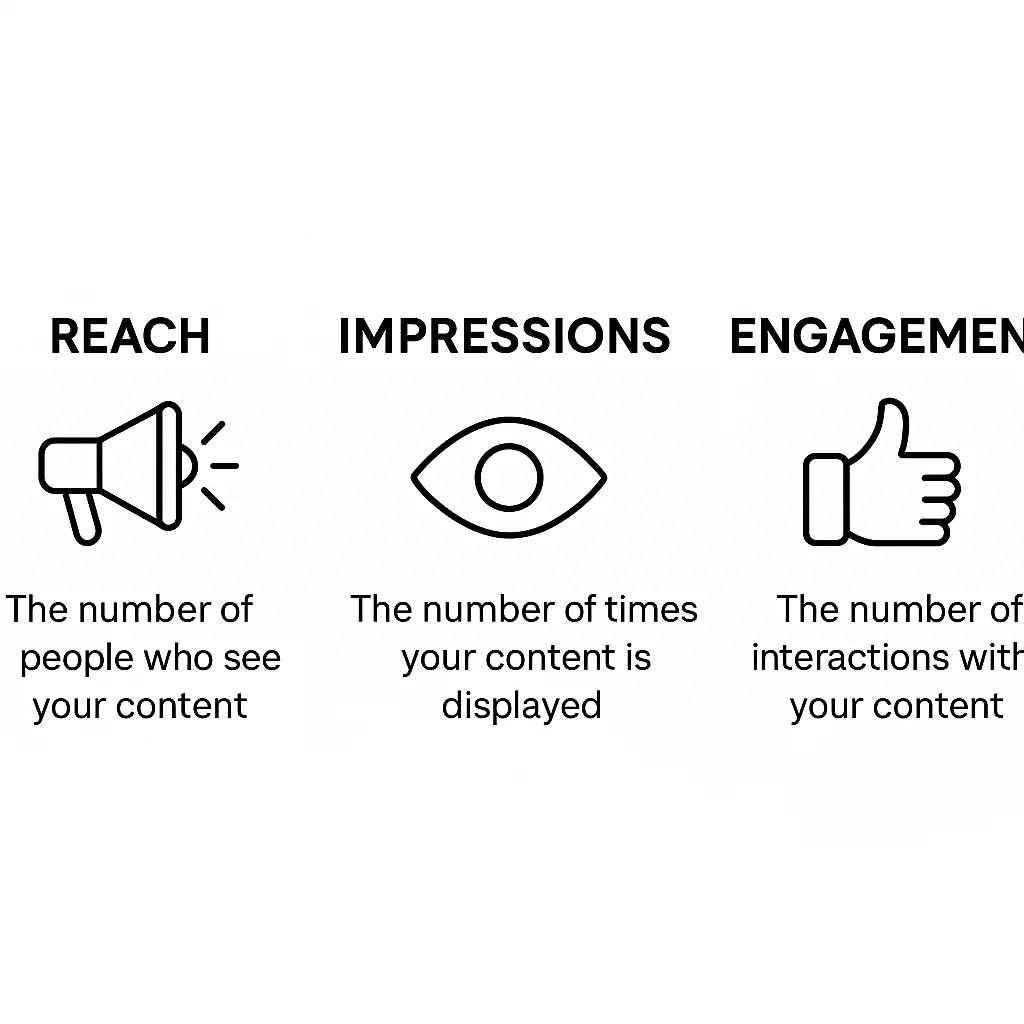
Reach refers to the total number of unique users who have seen your content. This metric helps you understand the potential audience size your content is exposed to. It’s particularly important for brand awareness campaigns where the goal is to introduce your brand to as many people as possible.
Definition of Impressions
Impressions represent the total number of times your content is displayed, regardless of whether it was clicked or not. Unlike reach, impressions can count multiple views from the same user. This metric is crucial for understanding how often your content is being shown and can indicate the level of visibility your posts have.
Definition of Engagement
Engagement measures the interactions users have with your content, including likes, comments, shares, and clicks. Engagement is a key indicator of how well your content resonates with your audience and prompts them to take action. High engagement rates often mean that your content is compelling and relevant to your audience.
Importance of Each Metric
Each of these metrics—reach, impressions, and engagement—serves a different purpose in your social media strategy:
- Reach helps you gauge the breadth of your audience.
- Impressions provide insights into the visibility and frequency of your content.
- Engagement reveals the depth of interaction and user interest in your posts.
Understanding these metrics in detail allows you to tailor your content and strategies to better meet your marketing goals. For a deeper dive into the significance of these metrics, you can refer to this authoritative article defining social media metrics.
Additionally, understanding different account types can also impact your metrics. Learn more about TikTok business vs creator accounts to see how your account type might influence reach, impressions, and engagement.
Now that we’ve defined reach, impressions, and engagement, it’s crucial to understand the differences between reach, impressions, and engagement to effectively analyze and utilize these metrics for your social media strategy.
How Reach Differs from Impressions
Reach represents the total number of unique users who have seen your content. This metric is essential for understanding the breadth of your audience. In contrast, impressions measure the total number of times your content is displayed, regardless of whether it was clicked or not. This means a single piece of content can generate multiple impressions from the same user. The difference between reach and impressions lies in the fact that reach focuses on unique views, while impressions count every instance of content display.
Engagement vs Reach and Impressions
Engagement is distinct from both reach and impressions as it measures the interactions with your content, such as likes, comments, shares, and clicks. While reach and impressions give you an idea of how widely your content is seen, engagement tells you how actively your audience is interacting with it. This metric is crucial for gauging the effectiveness and resonance of your content.
Examples to Illustrate Differences
- Reach Example: If 1,000 unique users see your Instagram post, your reach is 1,000.
- Impressions Example: If those 1,000 users see the post multiple times, resulting in a total of 3,000 views, your impressions are 3,000.
- Engagement Example: If that post receives 200 likes, 50 comments, and 30 shares, these interactions constitute your engagement.
Understanding these differences is vital for tailoring your social media strategies. For more insights on optimizing your content, explore our article on using TikTok creator search. Additionally, for a detailed comparison of social media metrics, refer to this comprehensive study.
Understanding the differences between reach, impressions, and engagement allows you to strategically focus on the right metric at the right time. But how do you determine when to prioritize each one? Let’s delve into various scenarios to clarify this.
When to Prioritize Reach
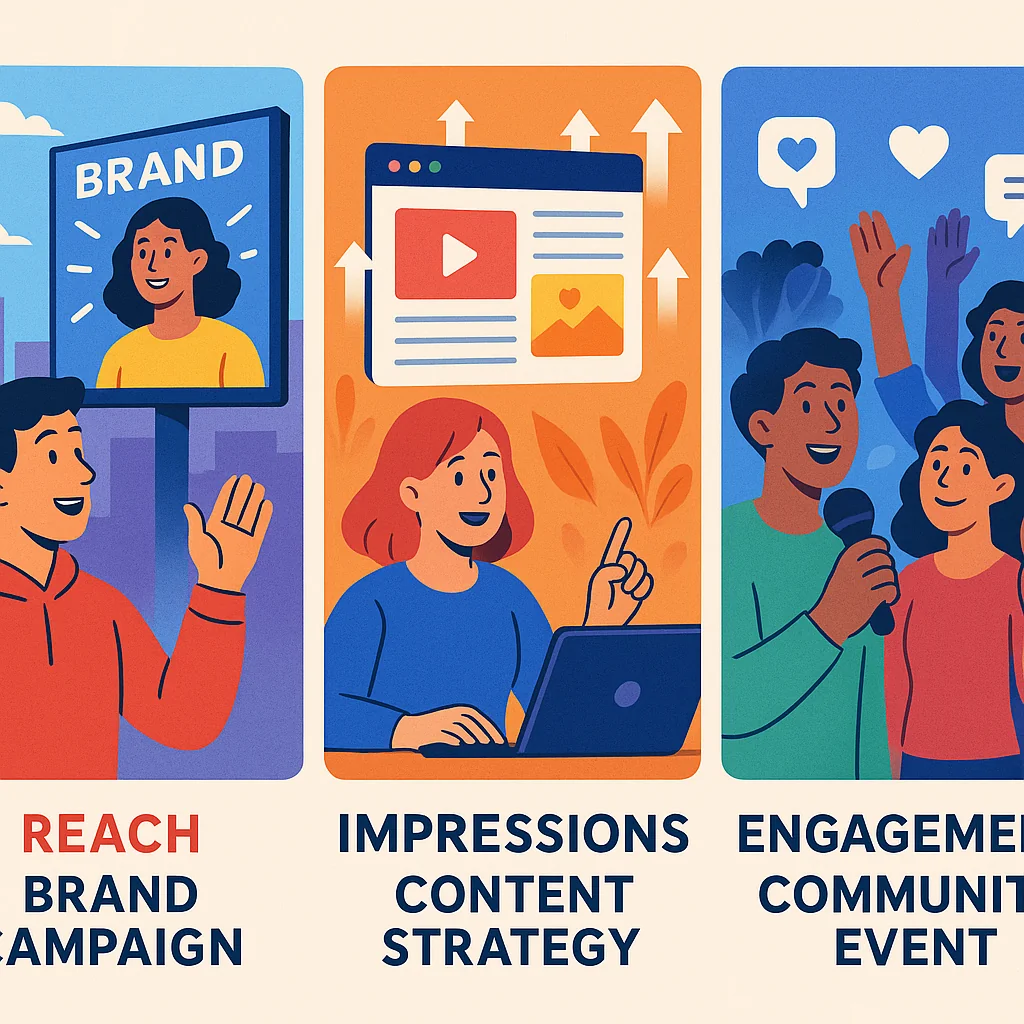
Reach is crucial when you want to expand your brand’s visibility and awareness. For instance, launching a new product or entering a new market are scenarios where you should focus on maximizing reach. By ensuring that your content is seen by as many unique users as possible, you lay the groundwork for further interactions.
When to Prioritize Impressions
Impressions become important when the goal is to reinforce your message or brand. If you are running a retargeting campaign, higher impressions can help keep your brand top of mind for potential customers. The more times your content appears before users, the more likely they are to remember and engage with your brand down the line.
When to Prioritize Engagement
Engagement is key when you aim to build a community or foster interactions. This metric is particularly important in scenarios such as running a contest, seeking user-generated content, or encouraging feedback and reviews. For comprehensive insights on trends that can impact your metrics, learn how to find trending TikTok sounds.
Aligning Metrics with Marketing Goals
Each of these metrics aligns with different marketing goals. Understanding when to prioritize reach, impressions, or engagement can significantly impact your campaign’s success. Align your focus based on your specific objectives:
- Brand Awareness: Prioritize reach to maximize visibility.
- Brand Recall: Focus on impressions to reinforce your message.
- Community Building: Engage with your audience to foster loyalty and interaction.
For real-world examples of how different metrics can be prioritized, check out these case studies on prioritizing different metrics.
By strategically aligning your metrics with your marketing goals, you can create campaigns that not only reach your audience but also engage them in meaningful ways.
Understanding when to focus on each metric is essential, but knowing how to actively improve these metrics can make a significant impact on your social media strategy. Let’s dive into actionable strategies to enhance your reach, impressions, and engagement.
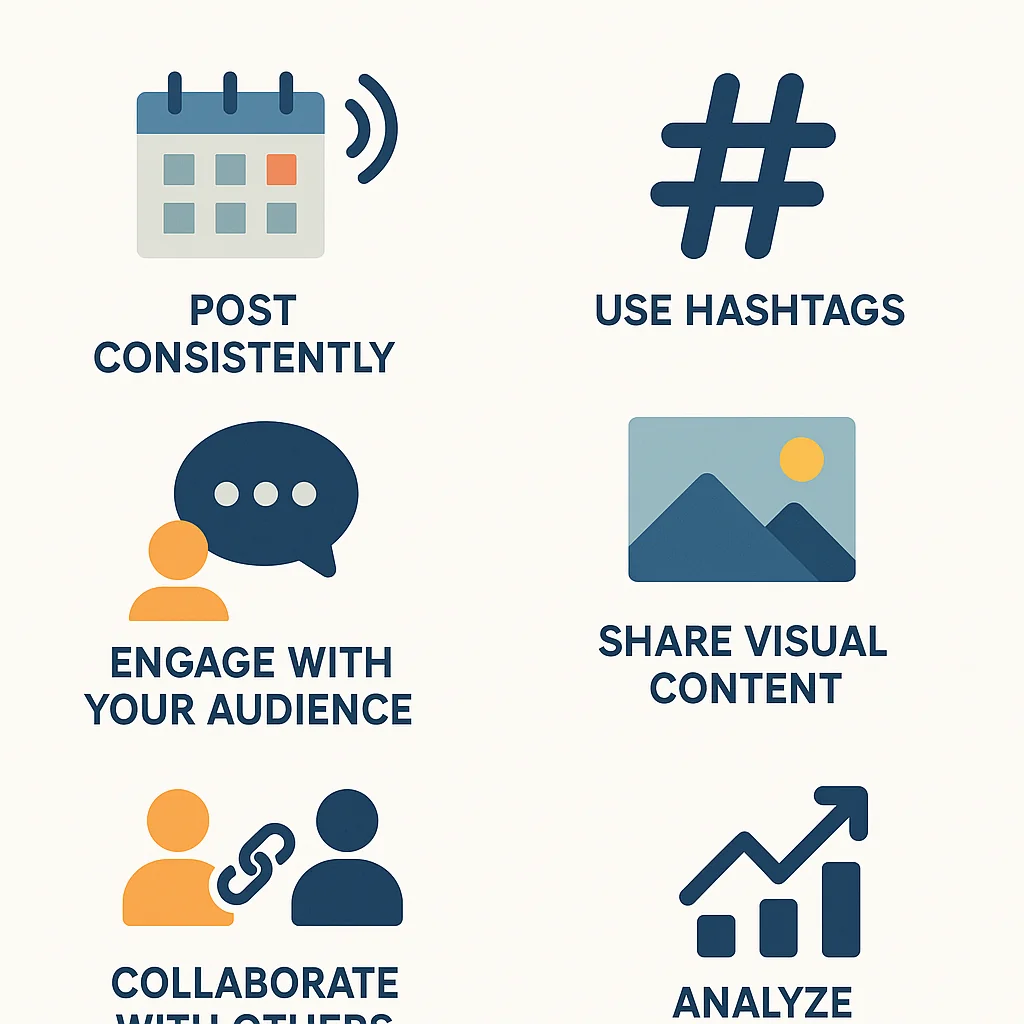
Tips to Increase Reach
To improve social media reach, consider the following strategies:
- Post Consistently: Regular posting keeps your audience engaged and helps increase visibility.
- Collaborate with Influencers: Partnering with influencers can expose your content to a broader audience.
- Utilize Hashtags: Effective use of hashtags can make your content discoverable to users interested in similar topics.
- Leverage Trending Content: Using trending audio can also enhance your reach and engagement. Learn more here.
Strategies to Boost Impressions
Boosting impressions ensures that your content is seen by as many people as possible. Here are some strategies to help:
- Optimize Post Timing: Share your content when your audience is most active.
- Invest in Paid Advertising: Promote your posts to reach a larger audience quickly.
- Enhance Visual Appeal: Eye-catching visuals and videos can attract more views.
- Engage with Followers: Responding to comments and messages can increase visibility as engagement drives more impressions.
Ways to Enhance Engagement
Boost engagement with these effective techniques:
- Ask Questions: Encourage your audience to interact by asking questions in your posts.
- Run Contests and Giveaways: These can generate excitement and prompt users to engage with your content.
- Share User-Generated Content: Featuring content created by your followers can foster a sense of community.
- Utilize Interactive Elements: Polls, quizzes, and interactive posts can significantly boost engagement.
Tools and Resources to Track and Improve Metrics
Using the right tools can make tracking and improving your social media metrics much easier. For comprehensive social media analytics tools, check out this resource.
By implementing these strategies and utilizing the right tools, you can effectively improve social media reach, boost engagement, and track your progress toward achieving your social media goals.
After exploring various strategies to improve reach, impressions, and engagement, it’s essential to see how these metrics play out in real-world scenarios. Case studies provide concrete examples that illustrate the successful application of these strategies and the lessons learned from each.

Case Study 1: Successful Use of Reach
In this first case study, we look at a brand that utilized strategic partnerships and influencer collaborations to broaden its reach. By partnering with influencers who resonate with their target audience, the brand significantly increased its visibility. This approach not only expanded their reach but also brought new followers, leading to a substantial growth in their social media presence.
The key takeaway from this case study is the importance of aligning with influencers whose audience mirrors your target demographic. This alignment ensures that the expanded reach is both meaningful and effective.
Case Study 2: Maximizing Impressions
Our second case study focuses on a company that optimized its content scheduling to maximize impressions. By analyzing their audience’s online activity patterns, the company scheduled posts during peak times, ensuring maximum visibility. Additionally, they leveraged paid advertising to further increase the number of impressions their posts received.
This strategy resulted in a notable increase in impressions, demonstrating the power of timing and targeted advertising. The lesson here is to understand your audience’s behavior and use that knowledge to optimize content delivery.
Case Study 3: Boosting Engagement
The third case study examines a brand that enhanced engagement through interactive content. By incorporating quizzes, polls, and infographics into their posts, the brand encouraged more interactions from their audience. This engagement-driven approach not only increased likes and comments but also fostered a deeper connection with followers.
From this case study, we learn that interactive elements can significantly boost engagement by making content more appealing and participatory. It’s a reminder that engagement is not just about the number of interactions but the quality of those interactions.
Learn from real-world examples in our guide on gaining Pinterest followers.
For more detailed case studies on social media metrics, visit Hootsuite.
These case studies highlight the practical application of strategies to improve reach, impressions, and engagement. By analyzing these real-world examples, brands can gain valuable insights and apply similar tactics to achieve their social media goals.
In summary, understanding the clear definitions of reach, impressions, and engagement is crucial for any social media strategy. Each metric serves a unique purpose and knowing when to prioritize each can significantly enhance your social media performance. By implementing targeted strategies to improve these metrics, you can drive better results and achieve your marketing goals.
Leave a Reply