
User-Generated Content (UGC) creators have become a pivotal element in the marketing landscape, transforming how brands engage with their audiences. But what exactly is a UGC creator? Simply put, UGC creators are individuals who produce content—such as reviews, testimonials, pictures, videos, and social media posts—about a brand or product, often sharing their genuine experiences and opinions.
For businesses, leveraging UGC creators can offer numerous benefits. One significant advantage is the authenticity and trust they bring. Consumers are more likely to trust content created by their peers rather than traditional advertisements. This authenticity can lead to higher engagement rates and increased credibility for the brand.
However, to maximize the effectiveness of UGC, it’s crucial to follow best practices for maintaining authenticity. Encourage creators to share honest and transparent content. Avoid overly controlling the narrative, as this can come off as insincere. Instead, empower UGC creators to tell their stories in their unique voices, ensuring the content remains relatable and trustworthy.
Following our comprehensive guide on What is UGC Creator REALLY, it’s essential to delve into the core of user-generated content (UGC) and understand its significance in today’s marketing landscape.
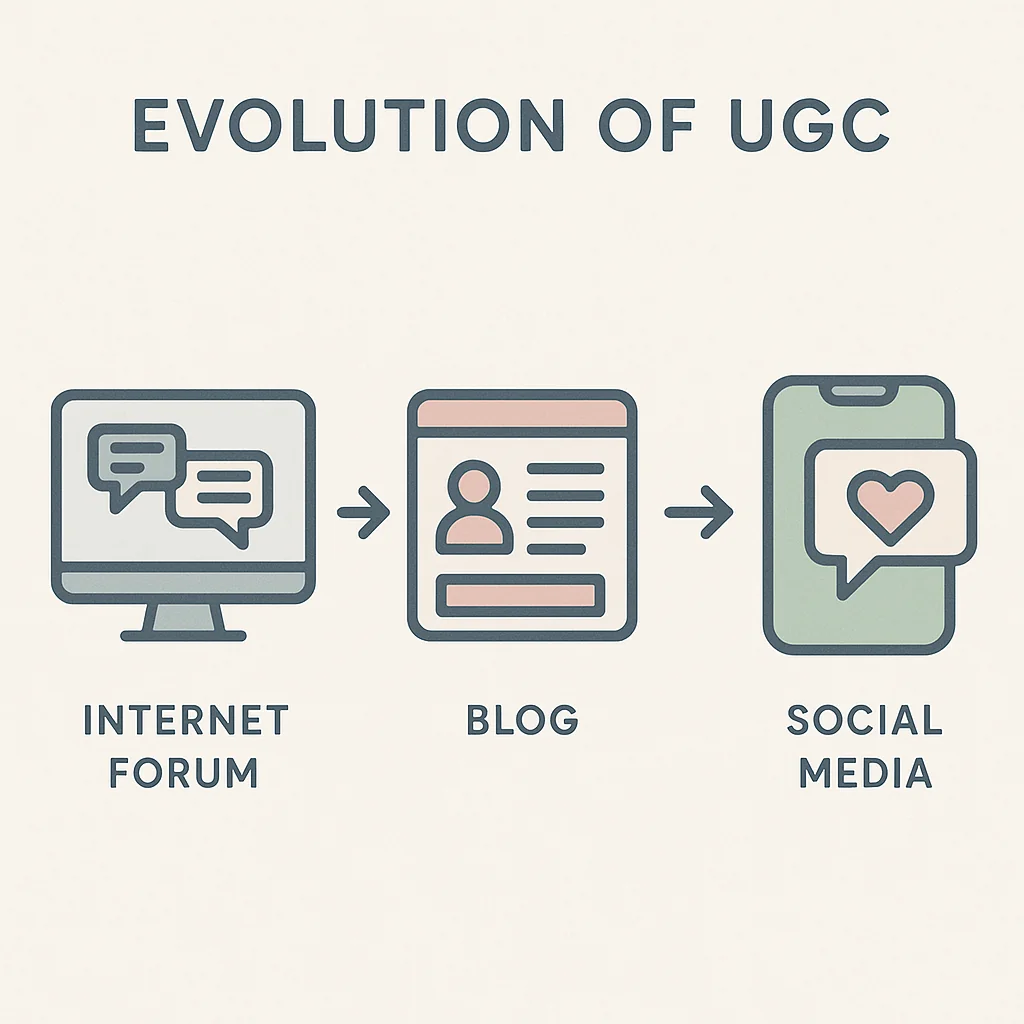
Definition of UGC
User-generated content refers to any form of content—such as images, videos, text, and audio—created by consumers rather than brands. This content is typically shared on social media platforms, forums, and other online communities. UGC is characterized by its authentic and relatable nature, making it a powerful tool for brands looking to connect with their audience on a more personal level.
Historical Context
The concept of UGC isn’t entirely new. Before the digital age, word-of-mouth and customer testimonials were early forms of user-generated content. However, with the rise of social media and digital platforms, UGC has evolved and gained unprecedented importance. Platforms like YouTube, Instagram, and TikTok have become hotbeds for creative expression, allowing everyday users to generate content that can reach millions.
Importance in Current Marketing Landscape
In today’s marketing environment, UGC plays a crucial role. Brands are increasingly shifting their strategies to leverage user-generated content for several reasons:
- Authenticity: Consumers trust UGC more than traditional advertising because it comes from real people sharing real experiences.
- Engagement: UGC encourages active participation from the audience, fostering a sense of community and loyalty.
- Cost-Effectiveness: Utilizing UGC can be more affordable than producing branded content, as it often requires minimal investment.
For a deeper dive into the shift from influencers to UGC creators, check out our detailed analysis.
Moreover, high-quality studies have shown that UGC significantly impacts consumer behavior and brand perception. You can explore more about this in the comprehensive research on UGC’s impact.
Understanding the concept and importance of UGC sets the stage for exploring how UGC creators are revolutionizing modern marketing, which we will discuss next.
After understanding the importance of User-Generated Content (UGC), it’s crucial to delve into the specific role that UGC creators play in modern marketing. These individuals are pivotal in crafting a brand’s narrative through their authentic and relatable content.

Roles and Responsibilities
UGC creators are responsible for producing content that resonates with a brand’s audience. Unlike traditional influencers, who often have a large following and focus on endorsements, UGC creators prioritize authenticity and genuine engagement. Their responsibilities include:
- Creating relatable and engaging content that aligns with the brand’s voice.
- Collaborating with brands to ensure that the content meets marketing goals.
- Maintaining transparency with their audience to build trust and credibility.
- Utilizing various UGC strategies to enhance brand visibility and engagement.
Comparison with Influencers
While influencers and UGC creators both play significant roles in content marketing, their approaches and impacts differ. Influencers typically leverage their large followings to promote products, often through paid partnerships. In contrast, UGC creators focus on crafting genuine, user-centric content that feels organic and trustworthy.
This authenticity is a game-changer in marketing, as it leads to higher engagement rates and a more loyal customer base. Explore the top social media platforms where UGC creators thrive to see where these creators can make the most impact.
Impact on Brand Authenticity
The influence of UGC creators on brand authenticity cannot be overstated. By sharing real experiences and honest opinions, they help humanize brands and foster deeper connections with the audience. This approach not only enhances trust but also encourages more organic user participation in UGC strategies.
For a concrete understanding of their impact, consider reviewing case studies of successful UGC campaigns. These examples illustrate how UGC creators can transform brand perception and drive significant marketing success.
Having understood the pivotal role that UGC creators play in modern marketing, it’s essential to dive into the specific benefits of using UGC creators for your brand. Here are some key advantages:
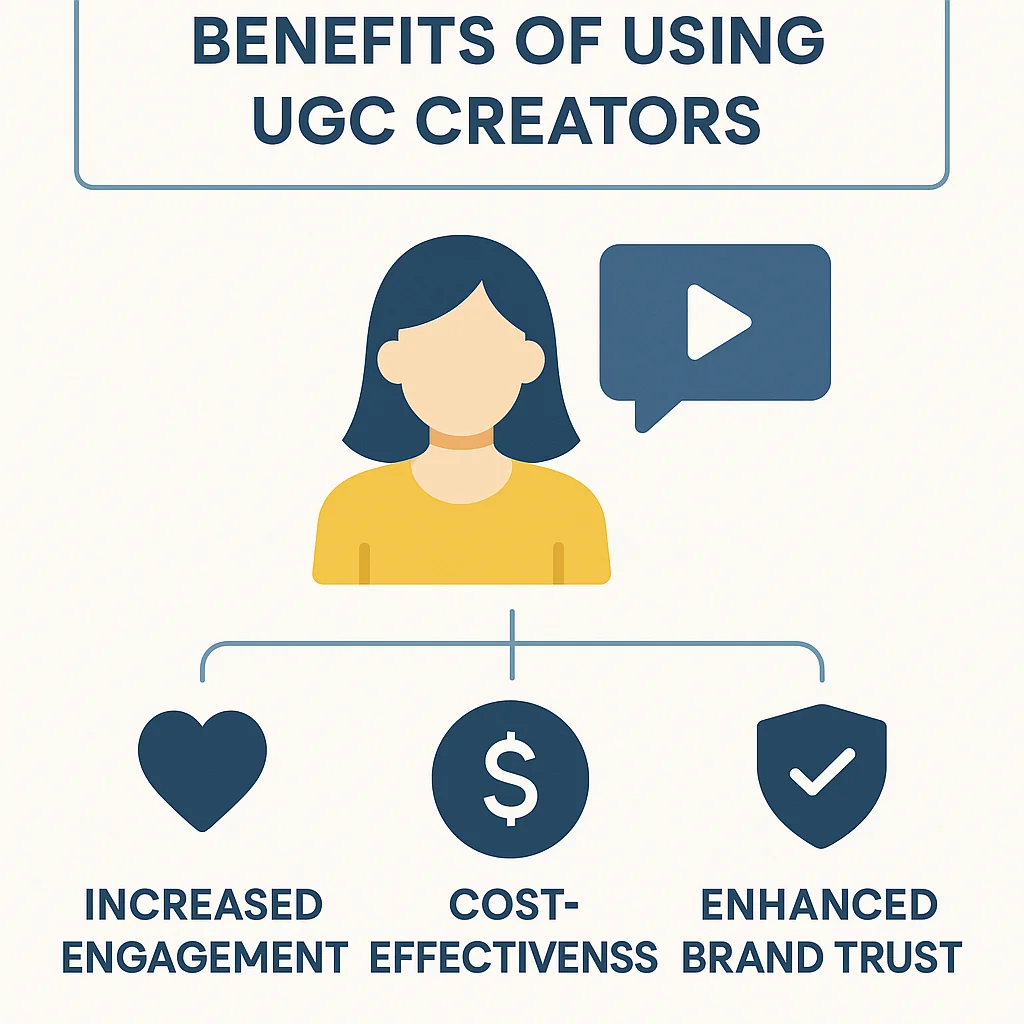
Increased Engagement
One of the primary benefits of UGC is the heightened engagement it fosters. Content created by users often resonates more with audiences because it comes across as authentic and relatable. When customers see real people using and enjoying a product, they are more likely to engage with that content themselves. This increased engagement can lead to more likes, shares, and comments, amplifying your brand’s reach and visibility across social media platforms.
Cost-Effectiveness
Investing in professional content creation can be expensive. However, leveraging UGC can significantly reduce these costs. By encouraging your customers to create content, you can access a wealth of high-quality material without the hefty price tag. This cost-effectiveness is one of the main reasons why many brands are turning to UGC. Moreover, the ROI of UGC is often higher compared to traditional marketing methods, making it a smart financial choice for businesses of all sizes.
Enhanced Brand Trust
Trust is a crucial factor in consumer decision-making. When potential customers see real-life testimonials and experiences shared by their peers, it builds credibility and trust in the brand. UGC serves as social proof, demonstrating that others have had positive experiences with your products or services. This enhanced brand trust can lead to increased conversions and customer loyalty.
To maximize the benefits of UGC, it’s important to integrate it seamlessly into your overall content strategy. Learn how to optimize your social media visuals to complement UGC and create a cohesive and engaging online presence.
With the benefits of using UGC creators clearly outlined, the next step is to understand how to identify the right creators for your brand and collaborate with them effectively. This process involves a few strategic steps and the use of specific tools to ensure a successful partnership.

Identifying the Right Creators
When selecting UGC creators, it’s crucial to consider a few key factors to ensure they align with your brand values and target audience. Start by analyzing their content quality, engagement rates, and audience demographics. Creators who consistently produce high-quality content and have a loyal, engaged following are ideal candidates. Additionally, make sure their style and tone resonate with your brand’s voice.
Collaboration Strategies
Once you’ve identified potential creators, the next step is to establish a UGC collaboration strategy. Clear communication is essential; outline your expectations, goals, and any specific content guidelines. Encourage creative freedom to allow creators to produce authentic content that feels genuine to their audience. Offering incentives such as exclusive access, early product releases, or monetary compensation can also foster a more enthusiastic partnership.
Tools and Platforms to Use
Leveraging the right tools and platforms can streamline the process of identifying and collaborating with UGC creators. Platforms like AspireIQ and Upfluence can help you discover creators based on your specified criteria. Additionally, tools such as Hootsuite and Later can assist in managing your content calendar and tracking the performance of UGC campaigns.
For more detailed guidance on collaboration tools for UGC, you can refer to this comprehensive guide.
Lastly, always remember to protect your content. Understand the importance of protecting your content with watermarks to ensure your brand’s assets remain secure.
After identifying and collaborating with UGC creators, it’s crucial to focus on best practices to ensure the content remains genuinely impactful. Maintaining authenticity is the cornerstone of successful UGC campaigns, and here are some essential guidelines:
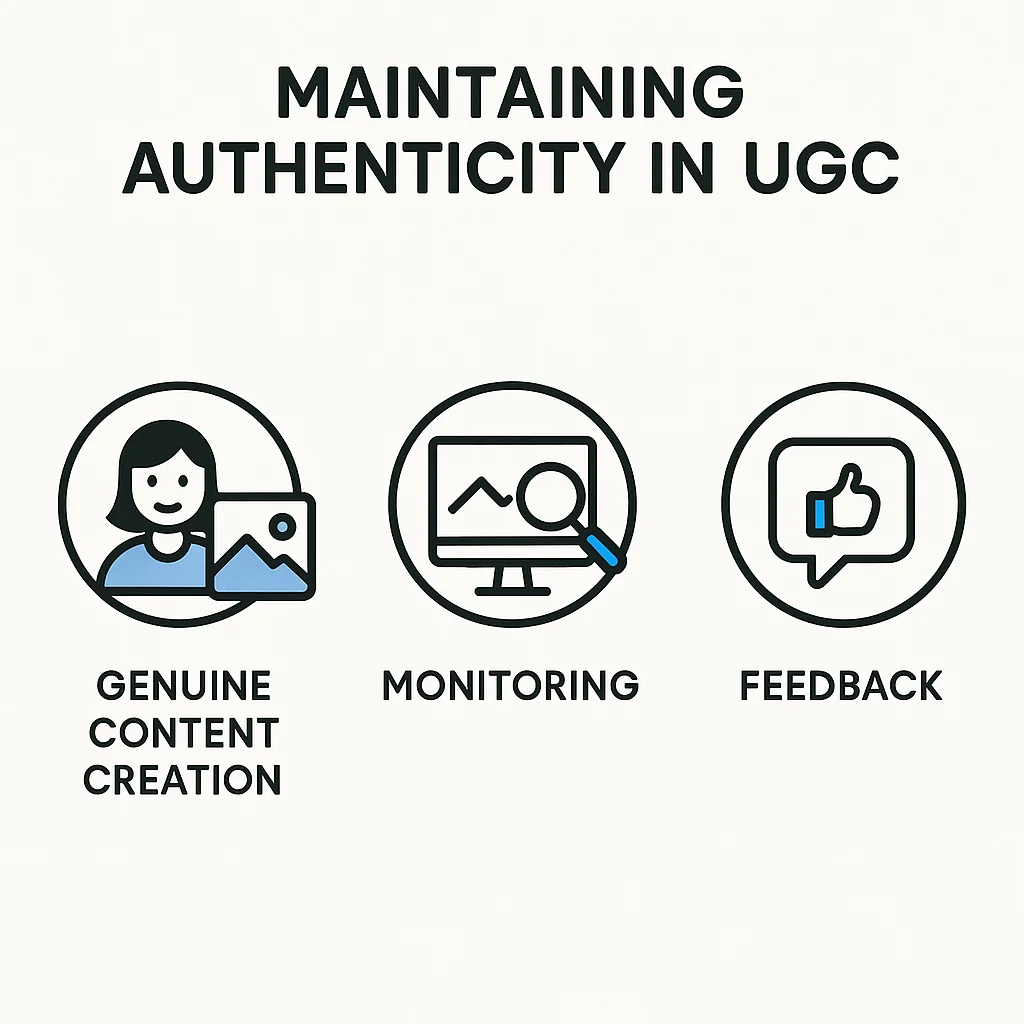
Maintaining Authenticity
Authentic UGC is all about preserving the genuine voice and perspective of the creators. Encourage UGC creators to share their real experiences and personal stories. Authenticity resonates more with audiences and fosters a deeper connection with your brand. To maintain UGC authenticity, provide creators with a clear brief but allow them the creative freedom to express themselves in their unique style.
Avoiding Inauthentic Content
It’s important to avoid overly polished or scripted content that feels forced. Audiences can easily detect inauthentic content, which can undermine trust and credibility. Instead, focus on natural and relatable content that aligns with your brand’s values. Engage with creators who genuinely use and enjoy your products or services. This approach helps in generating content that feels honest and relatable.
Monitoring and Feedback
Regularly monitoring the content produced by UGC creators ensures it aligns with your brand’s authenticity standards. Provide constructive feedback to help creators improve their content. This collaborative effort can lead to higher-quality UGC that effectively represents your brand. Utilize tools and platforms to track the performance and engagement of UGC, allowing you to make informed adjustments as needed.
See how authentic UGC can be applied in different niches for more insights.
For further understanding of the impact of authenticity in UGC, check out this research on authenticity in UGC.
By adhering to these best practices, you can ensure that your UGC remains authentic, engaging, and effective in building a strong connection with your audience. In the next section, we will explore some case studies of successful UGC campaigns to provide real-world examples of these principles in action.
After understanding the best practices for creating authentic UGC, it’s insightful to examine some real-world examples to see these practices in action. Let’s dive into a few UGC case studies that highlight the power of user-generated content and how it has driven success for various brands.

Case Study 1: GoPro
GoPro, the action camera company, has built a community of passionate users who love to share their adventures. By encouraging customers to post their videos and photos on social media with the hashtag #GoPro, the brand has amassed a vast library of authentic, engaging content. This UGC not only showcases the versatility and quality of their products but also fosters a sense of community among users.
One notable campaign was the “Million Dollar Challenge,” where GoPro invited users to submit their best clips for a chance to be featured in a promotional video and share a million-dollar prize. This campaign generated a flood of high-quality, authentic content while boosting brand loyalty and engagement.
Case Study 2: Starbucks
Starbucks has effectively utilized UGC through its annual “Red Cup Contest,” where customers are encouraged to share photos of their festive red cups during the holiday season. By using the hashtag #RedCupContest, Starbucks fans eagerly participate, creating a wealth of seasonal content that the brand can leverage across its marketing channels.
This campaign not only drives engagement and excitement around the brand during the holiday season but also provides Starbucks with a treasure trove of authentic, user-generated content that highlights the joy and tradition associated with their products.
Key Takeaways
- Encourage users to share their content with specific hashtags to easily track and curate UGC.
- Incentivize participation through contests and rewards to boost engagement and content quality.
- Leverage UGC to showcase the real-life applications and benefits of your products, enhancing authenticity and trust.
These successful UGC campaigns demonstrate the immense potential of user-generated content to build community, increase engagement, and provide authentic marketing material. For more examples of successful UGC campaigns, check out this comprehensive list.
Discover more about the impact of UGC creators in our comprehensive guide.
Following the success stories of UGC campaigns, it’s essential to look ahead and understand where the industry is heading. The future trends in UGC are shaped by several emerging trends and technological advancements. Let’s explore what the future holds.

Emerging Trends in UGC
One of the most significant UGC trends is the increasing use of short-form video content. Platforms like TikTok and Instagram Reels have shown how engaging and viral short videos can be. As audiences crave more bite-sized content, brands will need to adapt by encouraging users to create and share these quick, impactful videos.
Another emerging trend is the rise of live streaming. Real-time interactions allow for a more authentic connection with audiences. Brands are leveraging live streams to showcase user-generated content, host Q&A sessions, and even live product launches.
Technological Advancements
Technological advancements are also playing a crucial role in shaping the future of UGC. Augmented Reality (AR) and Virtual Reality (VR) are becoming more accessible and are expected to revolutionize how users create and interact with content. For instance, AR filters on social media platforms enable users to create more engaging and creative posts.
Leave a Reply