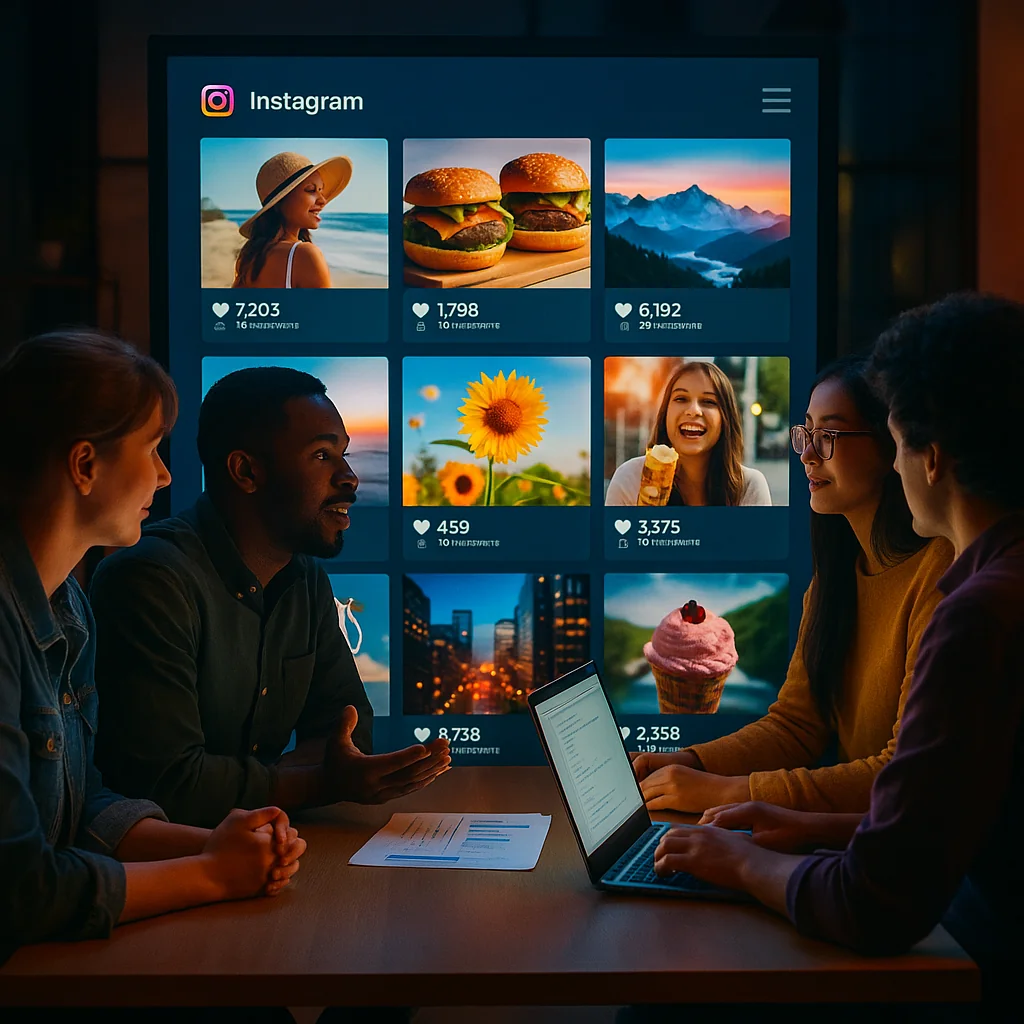
The landscape of social media in 2025 is both dynamic and expansive. As we dive into this global social media usage in 2025, it’s essential to understand the key trends shaping the digital world. With billions of users worldwide, social media platforms continue to see significant growth and evolution.
One of the most notable trends is the rise of top growing platforms. While established giants like Facebook and Instagram maintain their dominance, platforms such as TikTok and newer entrants are experiencing exponential growth, attracting diverse demographics and fostering unique content-sharing experiences.
In addition to platform growth, understanding key engagement metrics is crucial. Metrics such as user engagement rates, time spent on platforms, and interactive content popularity are pivotal in analyzing the success and impact of different social media platforms. These metrics provide insights into user behavior and preferences, helping marketers and businesses tailor their strategies effectively.
As we proceed, we’ll explore a more detailed analysis of these trends and how they influence the global social media landscape. Stay tuned for a deeper dive into the global overview of social media usage in 2025 and the top social media platforms and their growth.
Continuing from our 2025 Global Social Media Statistics Overview, let’s delve deeper into the specifics of social media usage across the globe in 2025. This section will provide insights into the total number of social media users, a regional breakdown of usage, and the year-over-year growth observed.
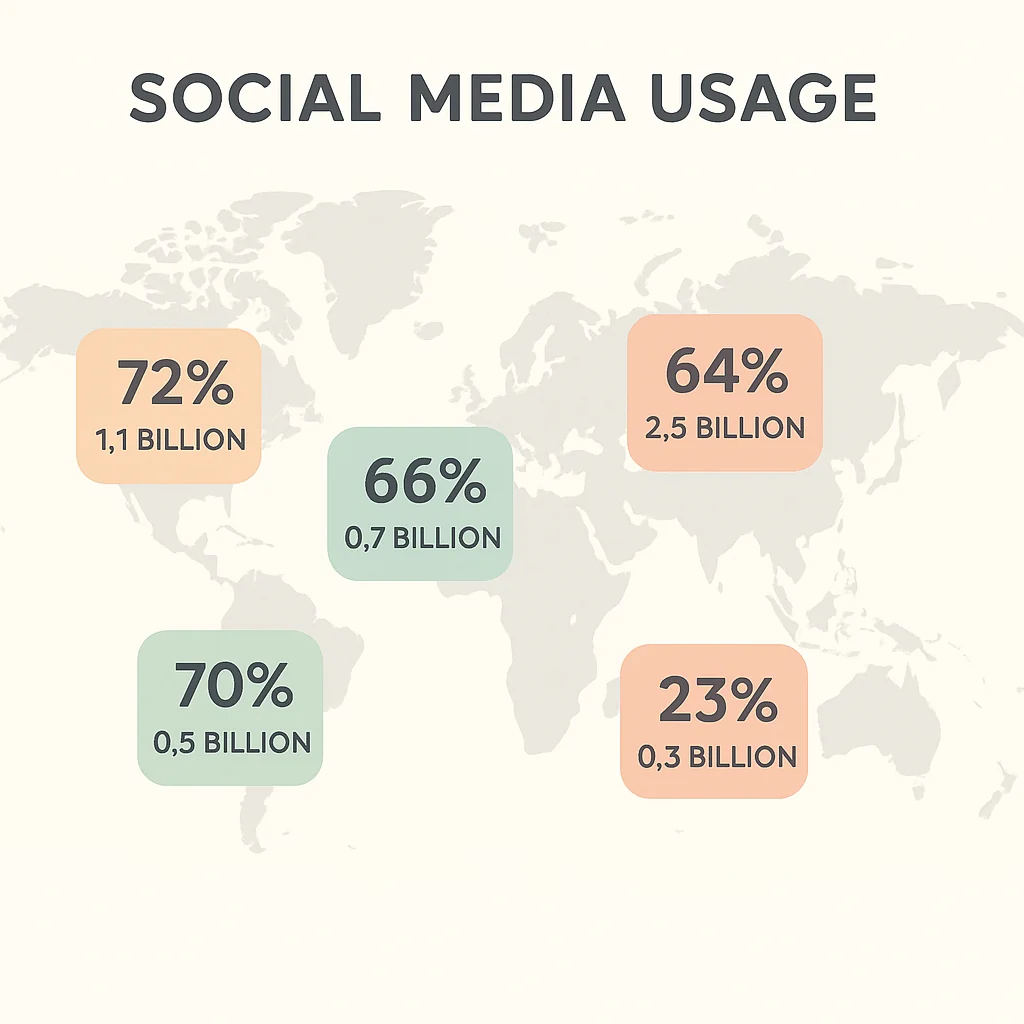
As of 2025, the total number of social media users worldwide has reached an astounding 4.8 billion, representing a significant portion of the global population. This widespread adoption underscores the crucial role social media plays in modern communication, marketing, and entertainment.
Breaking this down regionally, we see varied adoption rates and usage patterns:
- Asia-Pacific: Leading the charge, this region accounts for over 2.1 billion users, driven by populous countries like China, India, and Indonesia.
- North America: With a high penetration rate, North America boasts around 350 million users, reflecting the deep integration of social media into daily life.
- Europe: Europe follows closely with approximately 450 million users, showcasing a mature market with diverse platform preferences.
- Latin America: This region has seen rapid growth, now home to 300 million users, fueled by increased internet accessibility.
- Africa and the Middle East: Though still emerging, these regions are experiencing the fastest year-over-year growth rates, currently at 250 million users combined.
The year-over-year growth of social media users continues to be impressive, with an average increase of 7% globally. The surge in user numbers is attributed to improved internet infrastructure, the proliferation of affordable smartphones, and the expanding digital literacy across developing nations.
For more detailed insights into evolving trends, check out our guide on finding trending audio on Instagram. Additionally, a high-quality study on global social media usage offers extensive data and analysis.
Understanding these statistics helps marketers and businesses tailor their strategies to reach a diverse and growing audience effectively. In the next section, we will explore the top social media platforms and their growth trajectories.
Building on the global overview of social media usage in 2025, it is essential to delve deeper into the specific platforms that are shaping the digital landscape. This section examines the fastest-growing social media platforms in 2025, their user demographics, and the market share and growth trends that define them.
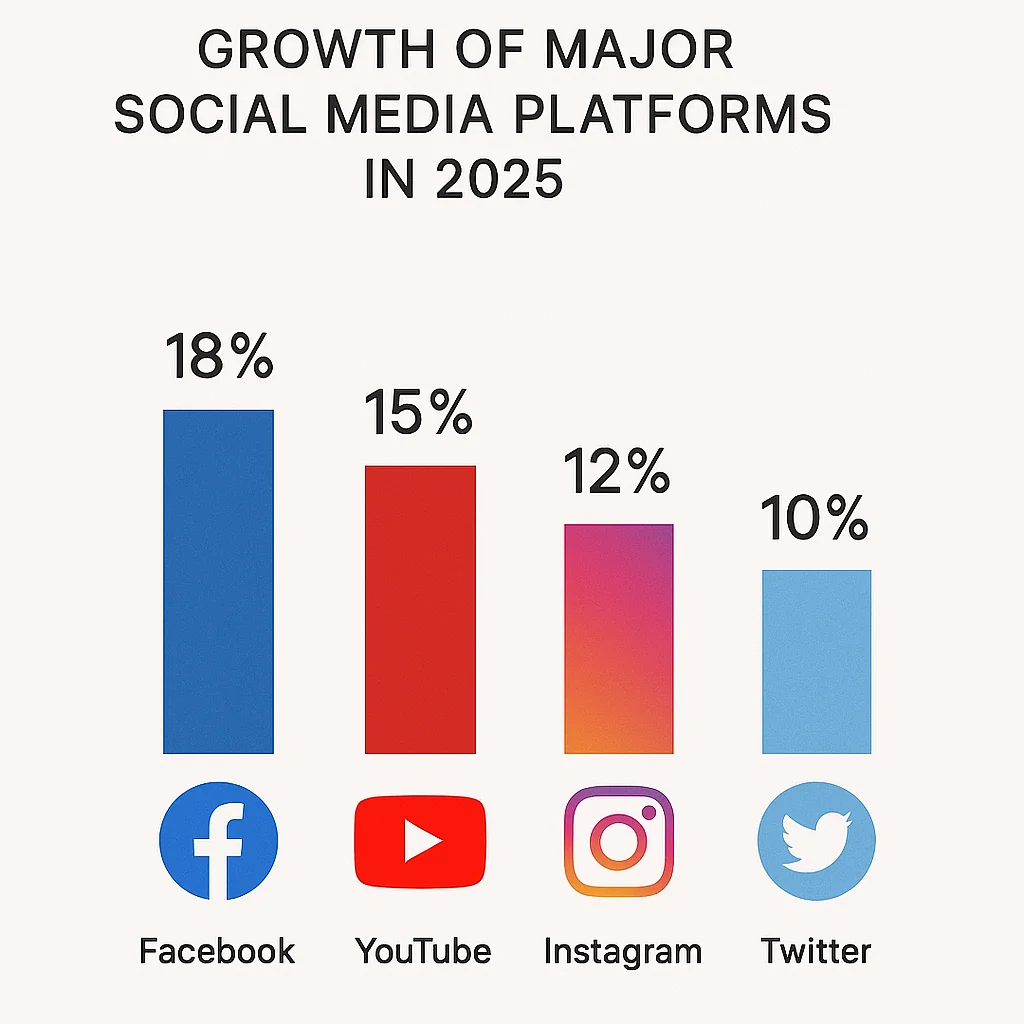
Fastest-Growing Social Media Platforms
In 2025, several platforms are experiencing unprecedented growth. TikTok continues to dominate, attracting a younger audience with its engaging short-form videos. Instagram and Snapchat follow closely, leveraging their visual-centric approaches to maintain popularity among millennials and Gen Z. Additionally, emerging platforms like Clubhouse and Discord are gaining traction, particularly among niche communities and tech-savvy users.
User Demographics of Top Platforms
Understanding the demographics of these platforms is crucial for businesses and marketers. TikTok, for instance, predominantly appeals to Gen Z, with a significant portion of its user base under 24 years old. Instagram, while popular among younger users, also has a substantial audience in the 25-34 age bracket. LinkedIn remains the go-to platform for professionals, with the majority of its users aged 30-49. Meanwhile, Facebook still holds a diverse demographic but is increasingly favored by older generations.
Market Share and Growth Trends
The market share of these platforms reflects their growth dynamics. TikTok’s explosive rise has seen it capture a significant portion of the social media market, often at the expense of older platforms like Facebook. Instagram and Snapchat continue to grow steadily, with innovations in augmented reality (AR) and e-commerce integration driving user engagement. Understanding platform-specific features can be crucial, such as the differences between TikTok business and creator accounts.
Moreover, a recent study highlights that platforms emphasizing user privacy and community engagement are seeing the most substantial growth. Discord’s community-driven approach and Clubhouse’s focus on audio interactions exemplify this trend.
These insights into the fastest-growing social media platforms in 2025 provide a roadmap for businesses and marketers. By understanding the demographics and growth trends of each platform, they can tailor their strategies to engage effectively with their target audiences. In the next section, we will explore a detailed demographic analysis of social media users, helping to further refine these strategies.
Following our exploration of the top social media platforms and their growth, it’s crucial to delve into the demographic analysis of social media users. Understanding who is using these platforms can provide valuable insights for tailoring content and marketing strategies.

Age Groups and Their Social Media Habits
Age plays a significant role in social media demographics. Young adults, particularly those aged 18-29, remain the most active users across various platforms. They are drawn to visual and short-form content, with platforms like Instagram, TikTok, and Snapchat being particularly popular. In contrast, the 30-49 age group shows a preference for Facebook and LinkedIn, utilizing these platforms for both personal connections and professional networking.
Interestingly, older adults, aged 50 and above, are steadily increasing their presence on social media. This demographic tends to favor Facebook, where they engage with community groups and family updates. For a detailed demographic study on social media usage, you can visit the Pew Research Center’s fact sheet.
Gender-Based Social Media Usage
Gender differences also shape social media user statistics. Women are generally more active on platforms like Pinterest, Instagram, and Facebook. They are more likely to engage with visual content, participate in community discussions, and follow brands. On the other hand, men dominate platforms like Twitter and Reddit, where they engage in news consumption, discussions on technology, and niche communities.
For demographic-specific strategies, explore how to get more followers on Pinterest.
Regional Demographic Trends
Regional variations also play a crucial role in social media demographics. In North America, social media penetration is exceptionally high, with users actively participating across multiple platforms. Europe follows closely, with a diverse user base that mirrors the continent’s varied cultural landscape. In Asia, platforms like WeChat and TikTok dominate, reflecting the region’s unique digital ecosystem.
Emerging markets in Africa and South America are witnessing rapid growth in social media usage, driven by increasing internet accessibility and mobile device adoption. These regions present significant opportunities for businesses looking to expand their reach.
By understanding these demographic trends, businesses can better tailor their social media strategies to engage effectively with their target audience.
Building on our understanding of social media user demographics, let’s delve into the key engagement metrics and trends that are shaping social media in 2025. Tracking these metrics is crucial for businesses and content creators aiming to optimize their strategies and maximize their reach.
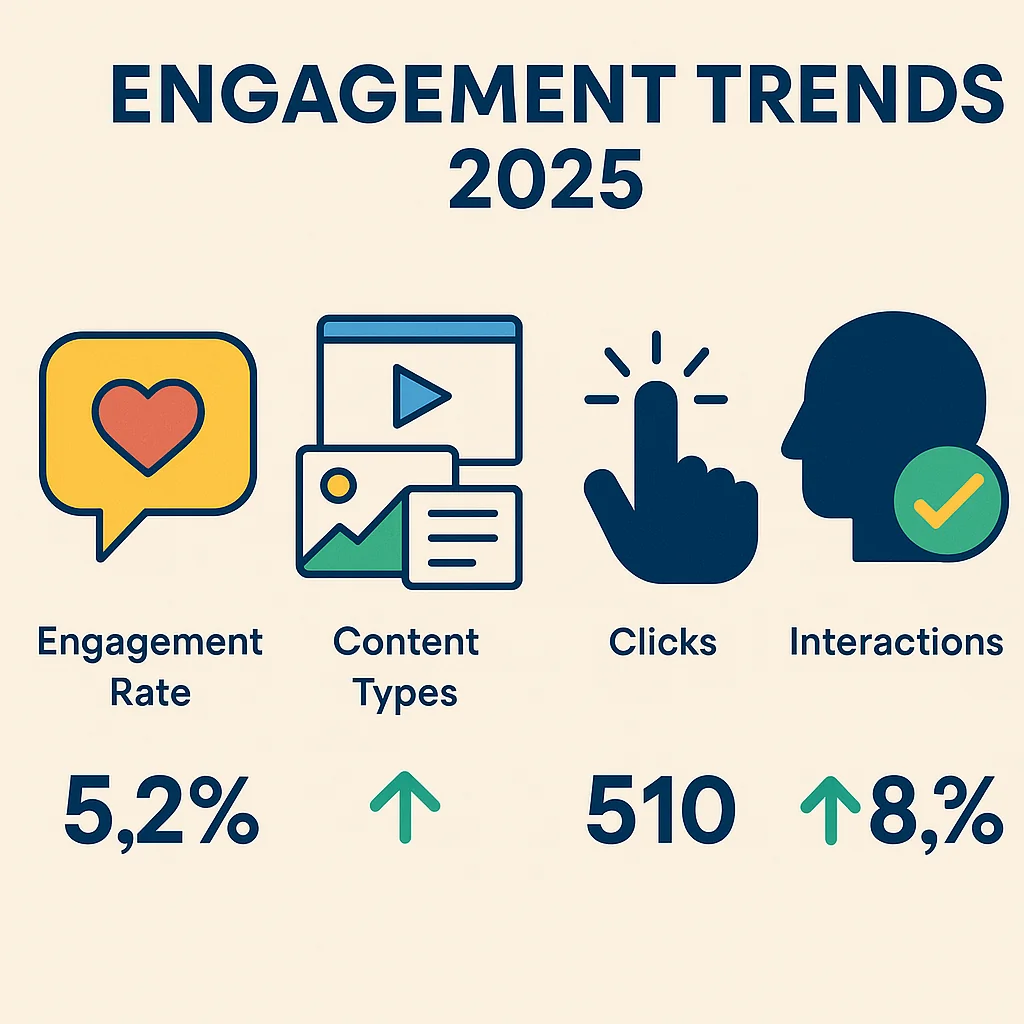
Engagement Rates Across Platforms
The social media engagement metrics in 2025 reveal diverse patterns across different platforms. For instance, Instagram continues to lead with high engagement rates, particularly in visual content. TikTok follows closely, with its short-form videos driving significant interaction. On the other hand, platforms like Facebook and Twitter are seeing steady engagement rates, although they are more reliant on textual and link-based content.
Most Engaging Content Types
Understanding the types of content that resonate most with users is essential. In 2025, video content remains the king of engagement. Short-form videos, as seen on TikTok and Instagram Reels, captivate audiences and encourage shares and comments. Additionally, interactive content such as polls, quizzes, and live streams are proving to be highly engaging. Influencers and brands are leveraging tools like TikTok Creator Search Insights to boost engagement by identifying trending topics and popular creators.
Trends in User Interactions
Several notable trends are emerging in user interactions on social media. One significant trend is the rise of ephemeral content—stories and temporary posts that disappear after a short period. This type of content creates a sense of urgency and exclusivity, prompting users to engage quickly. Another trend is the growing importance of user-generated content (UGC), which fosters community and authenticity. Brands are increasingly encouraging their followers to create and share content related to their products.
For a deeper dive into these metrics, you can explore comprehensive research on social media engagement metrics.
As we continue to navigate the evolving landscape of social media, staying informed about these engagement trends is vital for success. In the next section, we will explore the impact of AI and emerging technologies on social media, offering insights into how these innovations are transforming the way we connect and interact online.
As we delve deeper into the key engagement metrics and trends, it’s essential to acknowledge the transformative role that artificial intelligence (AI) and emerging technologies are playing in the social media landscape. The integration of AI in social media is reshaping how content is curated, while new technologies are continuously emerging to redefine user experiences.

Role of AI in Content Curation
AI in social media has revolutionized content curation by enabling platforms to deliver personalized content to users. Machine learning algorithms analyze user behavior, preferences, and interactions to suggest relevant posts, videos, and advertisements. This not only enhances user engagement but also boosts the overall user experience by presenting content that aligns with individual interests.
For instance, AI-driven recommendation engines on platforms like Facebook and Instagram tailor the feed based on what users have previously liked or interacted with. Similarly, TikTok’s ability to present viral content is largely driven by its sophisticated AI algorithms. Stay ahead of trends by learning how to find trending TikTok sounds.
Emerging Technologies Shaping Social Media
Beyond AI, several other emerging technologies are making significant impacts on social media. Augmented Reality (AR) and Virtual Reality (VR) are creating immersive experiences that allow users to engage with content in novel ways. AR filters on Snapchat and Instagram, for example, have become immensely popular among users for enhancing photos and videos.
Moreover, blockchain technology is starting to influence social media by offering decentralized platforms that prioritize user privacy and content ownership. These innovations ensure that users have more control over their data and how it is monetized, fostering a more transparent and equitable social media ecosystem.
Future Predictions
Looking ahead, the fusion of AI and emerging technologies in social media is expected to grow even more profound. Predictive analytics will likely become more advanced, enabling platforms to anticipate user needs and preferences with greater accuracy. Additionally, the rise of the metaverse—a collective virtual shared space—will further integrate social media with AR and VR, offering more interactive and engaging experiences.
For a more detailed exploration of AI’s impact on social media, you can visit this comprehensive article.
As we continue to observe these advancements, it’s clear that staying informed and adaptable is crucial for both users and marketers. By leveraging these technologies effectively, one can navigate the ever-evolving social media landscape with confidence.
As we move from exploring the transformative impact of AI and emerging technologies on social media, it’s crucial to understand how these advancements translate into actionable strategies. To effectively leverage the evolving landscape in 2025, businesses of all sizes can benefit from established best practices and insightful case studies showcasing successful social media campaigns.
Case Studies of Successful Campaigns
One notable example is the recent campaign by a global fashion brand that utilized AI-driven analytics to tailor their content strategy. By analyzing user behavior and preferences, they were able to produce highly engaging and personalized content, resulting in a 30% increase in engagement rates. For a detailed analysis of how strategic social media initiatives can drive success, refer to this case study on successful social media strategy.
Another compelling case is a local coffee shop that leveraged TikTok Creator Search Insights for innovative campaign ideas. By collaborating with popular local influencers, they saw a significant boost in foot traffic and online orders, demonstrating the power of influencer partnerships in social media strategy 2025.
Leave a Reply